



Serpentine Belt

Gates DK060650 Century Series Micro-V Dual-Sided Serpentine Belt 6-Rib 66 Inch


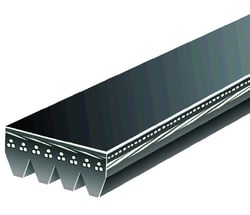

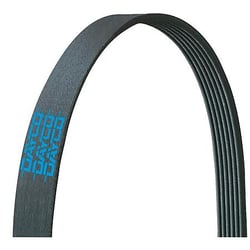

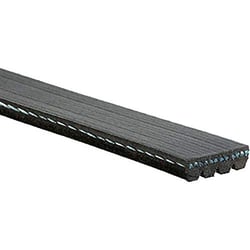
Gates K060630 Micro-V Serpentine Belt 6-Rib 63.04 in. OE Replacement
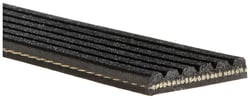




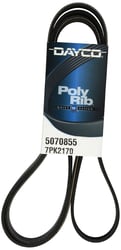

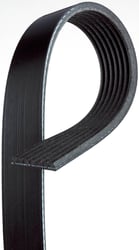
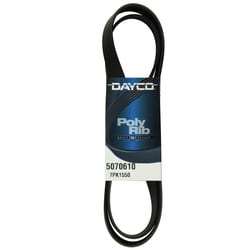

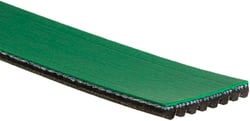
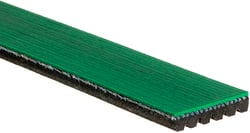

Gates K060895A Micro-V Aramid Cord Serpentine Belt 6-Rib 90 Inch

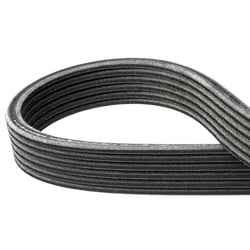


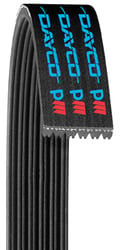
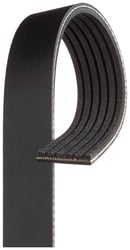
Gates K060396A Micro-V AT Aramid Serpentine Belt 6-Rib K Section
Gates K060880A Micro-V Aramid Serpentine Belt 6 Rib 88.5 Inch
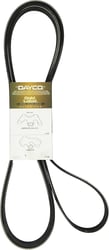

Dayco 6081255 Heavy Duty Double Sided Serpentine Belt 125.5 Inch


Gates K040332RPM Rpm High Performance Micro-V Serpentine Drive Belt

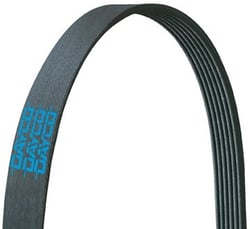
Dayco E060266 ELA Poly Rib Self-Tensioning Stretch Serpentine Belt 6-Rib 26.6"
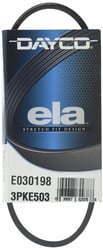

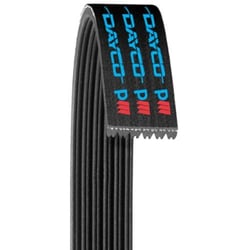

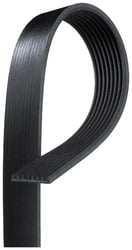

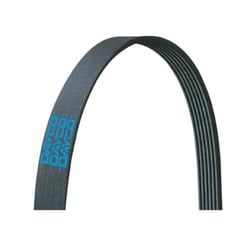
 Representative Photo, actual item may vary
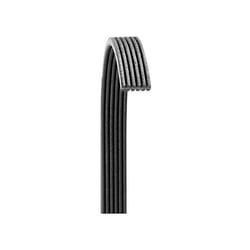

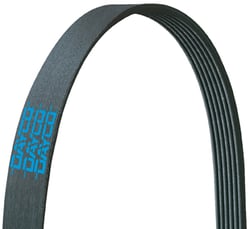
Dayco E050265 Elastic Serpentine Belt 26.5" Long 5-Rib Self-Tensioning


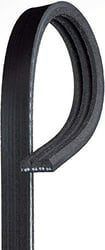
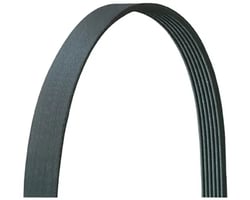


Dayco 5060868 Poly Cog Heavy-Duty Serpentine Belt 6-Rib 87.41"
What Is a Serpentine Belt and Why Does It Matter?
The serpentine belt — also known as a drive belt, accessory belt, or poly-V belt — is one of the hardest-working components under your hood. Serpentine belts are single, continuous multi-ribbed belts that transfer rotational power from the engine's crankshaft to all of the major accessory systems at once. That means your alternator, air conditioning compressor, power steering pump, and (on many engines) the water pump are all depending on this one belt to keep running.
Unlike the older system of multiple V-belts — each dedicated to a single accessory — the serpentine belt handles everything in one loop, snaking around a series of pulleys and tensioners. This design is more efficient, more compact, and generally longer-lived than its predecessors. The wide, flat, ribbed construction allows the belt to carry higher tension without stretching, which reduces slip and improves the mechanical efficiency of every accessory it drives.
What Happens When a Serpentine Belt Fails?
Because a single serpentine belt powers multiple critical systems simultaneously, a failure can quickly leave you stranded. If the belt breaks, you can lose power steering, battery charging from the alternator, air conditioning, and engine cooling all at once — making the vehicle undrivable within minutes. Fortunately, serpentine belts typically give advance warning before complete failure: listen for squealing or chirping noises from the engine bay, and visually inspect the belt for cracking, fraying, glazing, or missing ribs during routine maintenance.
Most manufacturers and industry experts recommend inspecting your serpentine belt regularly and replacing it proactively — typically in the range of 60,000 to 100,000 miles — rather than waiting for a roadside breakdown. When replacing the belt, it's also wise to inspect or replace the belt tensioner and idler pulleys at the same time, since worn pulleys are a common cause of belt noise and premature wear.
What to Consider When Shopping for a Serpentine Belt
- Fit: Serpentine belts are application-specific. Length, width, and rib count all matter — always verify the part number matches your year, make, model, and engine.
- Material: Modern belts are made from EPDM (ethylene propylene diene monomer) rubber, which resists heat and cracking far better than older neoprene compounds. EPDM belts wear gradually rather than cracking visibly, so use a belt wear gauge if you're unsure.
- Construction: Look for high-tensile cord reinforcement (such as aramid or polyester fiber) for improved load capacity and resistance to stretching.
- Tensioner health: Even the best belt won't perform correctly on a worn or seized tensioner. Consider replacing belt drive components together as a system.
Top Serpentine Belt Brands
Gates is one of the most widely trusted names in the serpentine belt market, with a long history as an OE supplier to major vehicle manufacturers. Their Micro-V® belt lineup utilizes EPDM compounds and aramid fiber reinforcement for quiet operation and wear resistance, and their belts are engineered to meet or exceed OEM specifications across a broad range of domestic and import applications.
ContiTech, the automotive belt division of Continental AG, brings deep OEM expertise to the aftermarket. ContiTech is a known OE supplier to European and domestic brands alike — including Audi, BMW, Mercedes-Benz, Volkswagen, GM, and Ford — and their serpentine belt program leverages progressive EPDM and HSN compounds engineered for precise fit and long service life.
Bando is a well-regarded Japanese belt manufacturer with a strong following among enthusiasts who prefer OEM-style construction and quiet operation. Bando belts are frequently cited as OE suppliers to Japanese automakers and are respected for their consistent fitment and durability across a wide range of applications.