



Automatic Transmission Control Solenoid

Genuine Mercedes 1409910055 Transmission Filler Cap Lock Pin

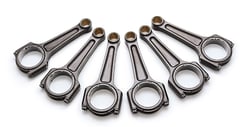
Manley Pro Series I-Beam Turbo Tuff Connecting Rod Set BMW Automatic Transmission Control Solenoid


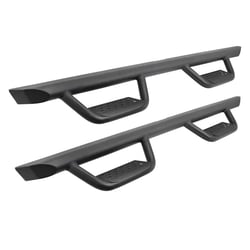


Go Rhino 20444580PC E-Board E1 Electric Running Board Kit with Textured Black Powder Coat


Go Rhino 6962358020PC RB30 Running Boards with Mounting Brackets and 2 Pairs Drop Steps Kit - Textured Black Powdercoat

Competition Clutch 99707-S-2600 Replacement Clutch Disc for Subaru Kit 15030-2600

 Representative Photo, actual item may vary
 Representative Photo, actual item may vary

What Is an Automatic Transmission Control Solenoid?
An automatic transmission control solenoid is an electro-hydraulic valve that manages the flow of transmission fluid through the valve body to engage and disengage the correct gear clutches at the right moment. Controlled by signals from the Transmission Control Module (TCM) or Powertrain Control Module (PCM), these small but critical components are essentially the nerve endings of your automatic transmission — translating electronic commands into precise hydraulic action.
Modern automatic transmissions rely on multiple solenoids working in concert: shift solenoids, pressure control solenoids, torque converter clutch (TCC) solenoids, and variable force solenoids, among others. Each type handles a specific function within the transmission's hydraulic circuit, and a fault in any one of them can disrupt the entire shift strategy.
Why Transmission Control Solenoids Matter
A failing transmission solenoid rarely announces itself quietly. Common symptoms include harsh or erratic gear changes, slipping between gears, the transmission getting stuck in a single gear (often called "limp mode"), delayed engagement when shifting from park to drive or reverse, and illuminated check engine or transmission warning lights. Because solenoid issues can mimic other drivetrain problems, they frequently trigger diagnostic trouble codes (DTCs) in the P07xx range, making a code scanner an essential first step in diagnosis.
Replacing a faulty solenoid promptly matters beyond just shift quality. Continued operation with a malfunctioning solenoid can cause the transmission to run at incorrect pressures, accelerating wear on clutch packs, bands, and the torque converter — potentially turning a straightforward solenoid replacement into a far more costly transmission rebuild.
What to Consider When Shopping for a Transmission Solenoid
- OEM vs. Aftermarket: OEM-spec solenoids are built to exact factory tolerances, while quality aftermarket options can offer comparable performance at a lower cost — provided they meet the original resistance (ohm) and flow specifications.
- Solenoid Type: Confirm whether you need a shift solenoid, pressure control solenoid, TCC solenoid, or a complete solenoid pack. Consult your DTC code and service manual to identify the exact unit.
- Vehicle-Specific Fitment: Transmission solenoids are not universal. Always verify compatibility by year, make, model, engine, and transmission code before purchasing.
- Electrical Connector Style: Ensure the connector type and pin count match your vehicle's wiring harness to avoid adapters or modification.
Top Brands in Automatic Transmission Control Solenoids
ATP is one of the most trusted names in transmission components, with decades of experience manufacturing solenoids engineered to meet or exceed OEM specifications. Their broad catalog covers a wide range of domestic and import applications, making them a go-to choice for professional technicians and serious DIYers alike.
Genuine parts deliver factory-correct quality for vehicle owners who want the confidence of a component built to the exact standards of the original manufacturer. Genuine solenoids are ideal when precise OEM fit, finish, and calibration are non-negotiable — particularly on newer or warranty-adjacent vehicles.
Forerunner rounds out the category with a focused selection of transmission solenoids designed to provide reliable, cost-effective replacement solutions. Their parts are a practical option for high-mileage vehicles where restoring proper function is the priority.