



Automatic Transmission Band

What Is an Automatic Transmission Band?
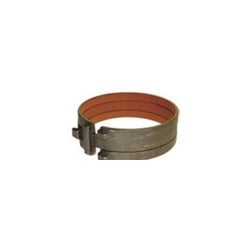
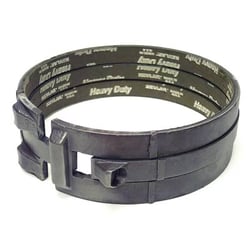
An automatic transmission band is one of the unsung heroes inside your gearbox. It is a steel strap lined with friction material on its inner surface that wraps around a clutch drum connected to one of the planetary gear set members. When a gear shift is commanded, hydraulic pressure from the automatic transmission fluid (ATF) is directed to a servo piston, which pushes on one end of the band and tightens it around the rotating drum — effectively locking that component to the stationary transmission case. This holding action enables the remaining rotating parts of the planetary set to produce the desired output speed and torque for the selected gear.
Transmission bands are typically employed to control specific gears, such as second gear or reverse, acting as a pure holding mechanism. This differentiates them from clutch packs, which connect two rotating members to actively drive the system. Once the gear change is complete, fluid pressure equalizes, a return spring pushes the servo piston back, and the band releases to its free state — ready for the next shift cycle.
Why Transmission Bands Wear Out and When to Replace Them
Like all friction components, transmission bands wear down over time. As the friction material thins, the gap between the band and the drum widens. This growing gap can cause the transmission to slip — a symptom often described as a "flaring" shift, where engine RPM climbs without a corresponding increase in vehicle speed. In more severe cases, a worn or broken band can cause the transmission to refuse to engage an entire gear entirely, or produce harsh, shuddering engagement.
Many older automatic transmissions — particularly those from Ford, Chrysler, and General Motors — featured an external adjusting screw that allowed a technician to compensate for minor band wear without disassembly. Most modern transmissions, however, do not include external adjusters, meaning a worn band typically requires a full transmission teardown to replace. That makes choosing a high-quality band the first time critically important.
What to Look for When Buying a Replacement Transmission Band
- Friction material quality: The lining must withstand repeated heat cycles and high hydraulic clamping forces without glazing or delaminating.
- OEM-equivalent fitment: The band must match the exact width, arc, and end configuration specified for your transmission model.
- Application coverage: Make sure the part number is verified for your specific transmission (e.g., TH350, 4L60-E, C4, A4LD).
- Brand reputation: Stick with manufacturers who specialize in transmission components and back their parts with quality standards.
Top Brands in Automatic Transmission Bands
ATP Automotive is one of the most respected names in automatic transmission components. Established in 1955 specifically to serve the replacement automatic transmission parts market, ATP has decades of deep expertise in this exact category. Their transmission band lineup covers a wide range of domestic transmission applications, and their parts are engineered to meet or exceed OEM specifications.
TCI Auto is a well-known name in performance and racing transmission builds. TCI brings the same performance-oriented standards that define their broader transmission product line to their band offerings, making them a popular choice for enthusiasts rebuilding or upgrading transmissions in high-performance street and strip applications.
Speedmaster rounds out the category with performance-minded transmission components designed for builders who want reliable parts at a competitive price point. Their transmission bands are a solid option for those tackling full transmission rebuilds.