



Coil Spring Insulator
 Representative Photo, actual item may vary



 Representative Photo, actual item may vary


 Representative Photo, actual item may vary

Genuine BMW 31-33-1-090-479 Front Lower Spring Pad Isolator
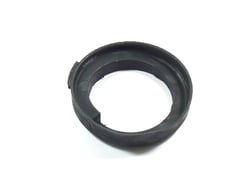

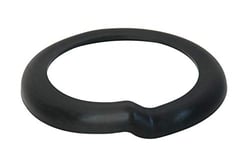


 Representative Photo, actual item may vary


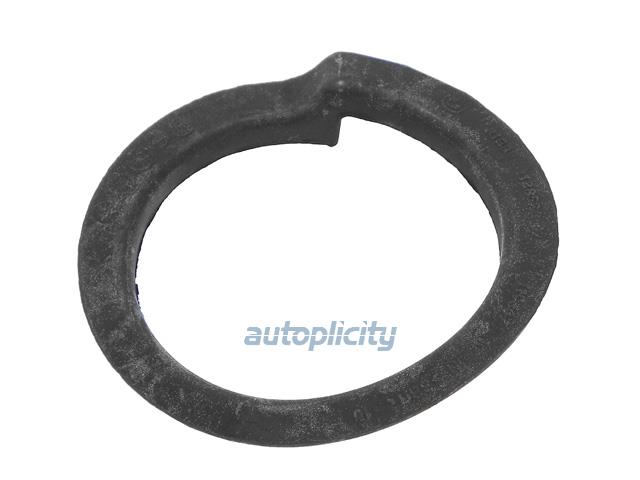 Representative Photo, actual item may vary
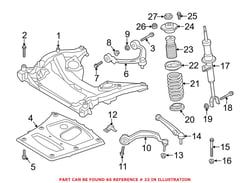
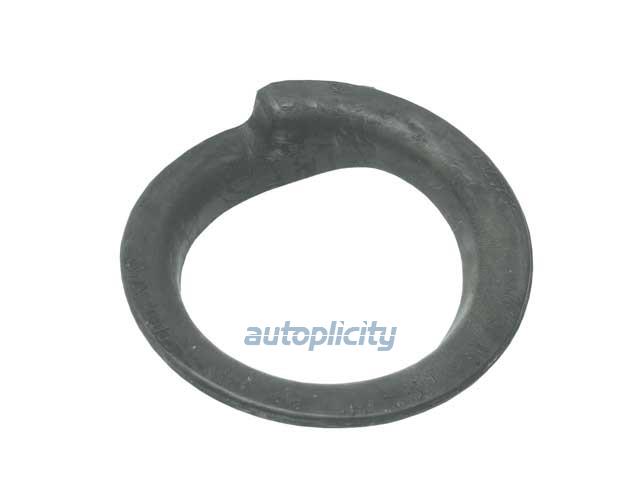 Representative Photo, actual item may vary

 Representative Photo, actual item may vary

 Representative Photo, actual item may vary

Genuine BMW – Mini 31-33-6-860-788 Lower Spring Pad Suspension Insulator
 Representative Photo, actual item may vary

 Representative Photo, actual item may vary
Genuine Porsche 955 333 504 00 Coil Spring Seat Suspension Spring Isolator

 Representative Photo, actual item may vary
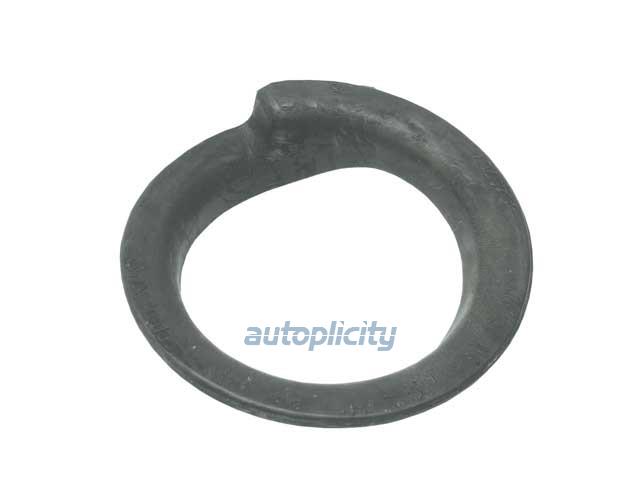 Representative Photo, actual item may vary

 Representative Photo, actual item may vary
What Is a Coil Spring Insulator?
A coil spring insulator — also called a spring isolator — is a small but essential component nestled between your vehicle's coil spring and the surrounding suspension structure. Sitting between the coil spring and the vehicle's chassis or strut mount, it acts as a cushion to reduce noise, vibrations, and friction, helping to maintain a smooth and quiet ride by minimizing the impact of road imperfections on the suspension. Without it, metal-to-metal contact between the spring and its perch would accelerate wear, generate harsh cabin noise, and ultimately compromise the health of other suspension parts.
Why Coil Spring Insulators Matter
The coil springs in your suspension bear the full weight of the vehicle and compress with every bump, turn, and pothole. The insulator acts as a protective buffer, preventing the coil spring from directly contacting critical suspension parts, which could lead to wear, abrasion, and potential failure of those components over time. Beyond protection, insulators keep each spring properly seated — improving both handling stability and ride comfort. Front coil spring insulators are specifically engineered for the demands of the front suspension, while rear coil spring insulators address the unique geometry of the rear end, so choosing application-specific parts is important for a proper fit.
Over time, coil spring insulators degrade due to exposure to heat, moisture, and harsh road conditions. Common warning signs of a worn insulator include increased road noise, a rougher ride, poor handling, or uneven tire wear. A faulty coil spring insulator can also lead to accelerated wear on surrounding suspension components such as the coil spring itself or the strut mounts. The good news: replacing insulators is one of the most cost-effective suspension maintenance steps available, and it's best practice to swap them in any time new springs are installed.
Rubber vs. Polyurethane: Choosing the Right Material
Coil spring insulators are most commonly made from rubber or polyurethane, and each material has distinct characteristics. Rubber offers softness and excellent noise control, making it ideal for daily drivers prioritizing cabin comfort. Polyurethane, on the other hand, provides longer service life and better resistance to oil, chemicals, and deformation — a popular upgrade for performance builds or high-mileage vehicles where durability outweighs a marginal increase in NVH (noise, vibration, harshness). Consider your driving style, vehicle type, and long-term goals when selecting a material.
Top Brands for Coil Spring Insulators
When it comes to trusted names in this category, two brands consistently stand out:
- Prothane — A go-to choice for enthusiasts looking to upgrade beyond OEM rubber. Prothane's coil spring insulators are made of polyurethane, a material much more durable than stock rubber, and are engineered to handle the varying pressures of suspension travel over the long haul. Backing that confidence, Prothane covers their coil spring isolators with a lifetime warranty for the original purchaser — a rarity in suspension hardware.
- Moog Chassis Parts — The trusted name in chassis restoration, Moog manufactures their coil spring insulators from thick, durable rubber, engineered to insulate against the vibration caused by suspension travel and available across a broad range of passenger cars, trucks, and SUVs. For a factory-feel repair or restoration, Moog is a natural fit.
When to Replace Your Coil Spring Insulators
Inspect coil spring insulators during any suspension service, particularly if you hear squeaks, clunks, or notice a rougher ride. Replace them if you see cracks, hardening, or missing sections — and always replace insulators when changing coil springs to ensure the new spring seats correctly and quietly from day one.