



Ambient Air Temperature Sensor
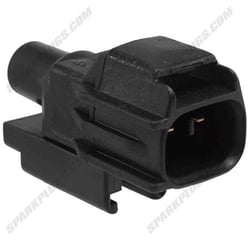

 Representative Photo, actual item may vary

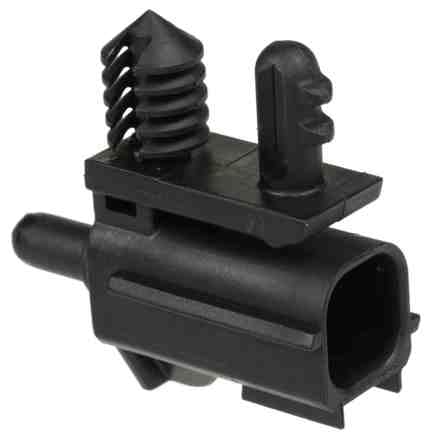 Representative Photo, actual item may vary

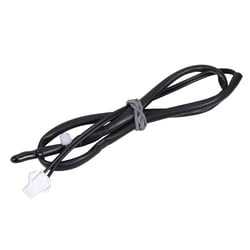

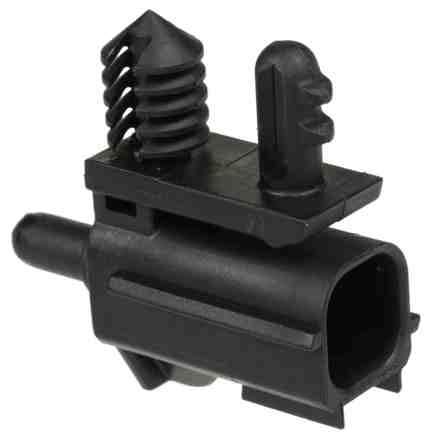 Representative Photo, actual item may vary
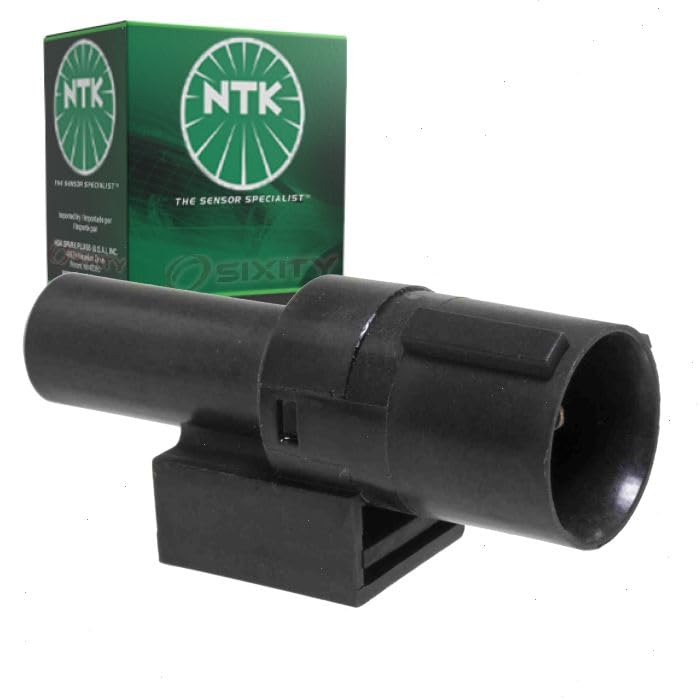 Representative Photo, actual item may vary
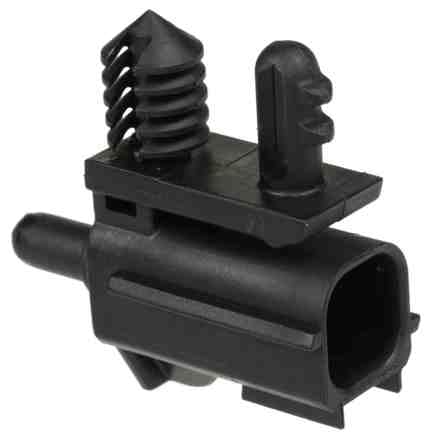 Representative Photo, actual item may vary
 Representative Photo, actual item may vary
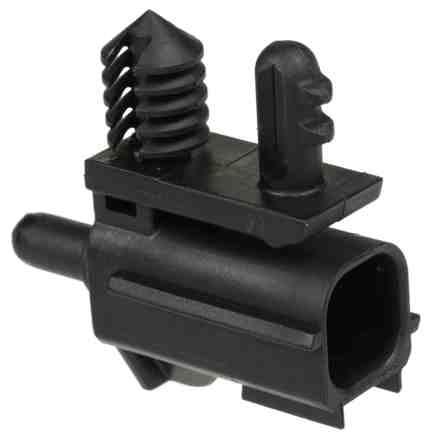 Representative Photo, actual item may vary

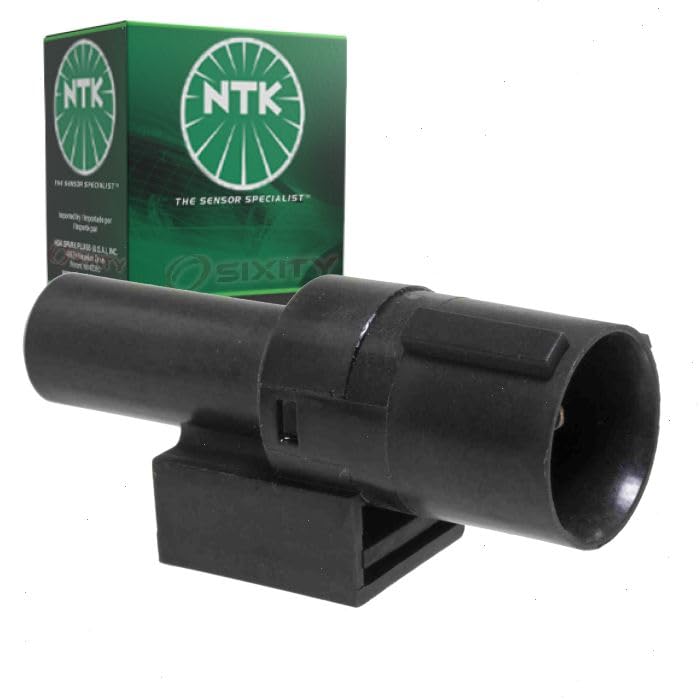 Representative Photo, actual item may vary
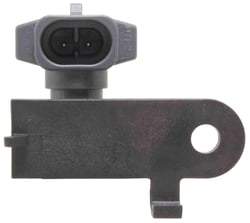
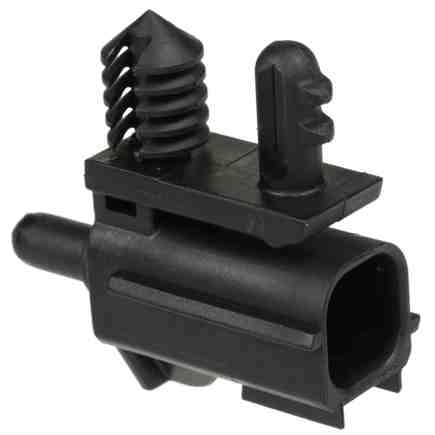 Representative Photo, actual item may vary
What Is an Ambient Air Temperature Sensor?
The ambient air temperature sensor (ATS) is one of the most quietly essential components in a modern vehicle's HVAC and engine management ecosystem. Its job is straightforward but critical: it monitors the temperature of the outside air and relays that data to the vehicle's control systems. From there, the Engine Control Module (ECM) and HVAC controller use those readings to make real-time decisions that affect your driving comfort, fuel efficiency, and emissions.
Physically, the sensor is typically a small thermistor — most commonly a Negative Temperature Coefficient (NTC) type — mounted near the front grille, front bumper, or wing mirror, where it has unobstructed exposure to outside airflow. When temperatures change, the sensor's electrical resistance shifts proportionally, producing a signal the vehicle's computers translate into an actionable temperature value.
Why the Ambient Air Temperature Sensor Matters
The ambient air temperature sensor does far more than populate the temperature readout on your dashboard. It actively feeds data to your automatic climate control system, allowing the HVAC controller to modify blower strategy, compressor requests, and defrost behavior based on actual conditions outside the vehicle. In vehicles with sophisticated Electronic Automatic Temperature Control (EATC), the system compares outside ambient readings against the in-cabin temperature sensor to calculate how hard the heating or cooling system needs to work to reach your desired set point.
Beyond cabin comfort, a healthy ATS also contributes to engine efficiency. Accurate outside temperature data helps the ECM fine-tune the air-fuel mixture and ignition timing — especially important during cold starts, when a faulty sensor can cause rough idling or poor throttle response. A malfunctioning sensor can also lead to increased emissions and reduced fuel economy, since the engine control system may be working from inaccurate environmental data.
Common signs that an ambient air temperature sensor needs replacement include an incorrect or frozen outside temperature reading on the instrument cluster, erratic climate control behavior, an A/C system that doesn't cool or heat properly, or a check engine light triggered by a temperature sensor fault code.
What to Look for When Replacing Your Ambient Air Temperature Sensor
- OE vs. aftermarket fit: For most daily drivers, an OEM or OE-equivalent replacement ensures the sensor matches the original resistance curve and connector pinout.
- Vehicle-specific compatibility: Sensor resistance specifications and connector types vary widely by make, model, and year — always verify fitment before purchasing.
- Wiring and connector condition: Road salt, moisture, and debris are common causes of sensor failure; inspect the connector and wiring harness when replacing the sensor.
- Sensor location: Some vehicles mount the ATS near the front bumper where it's vulnerable to physical damage; choose a durable replacement if your vehicle sees harsh conditions.
Top Ambient Air Temperature Sensor Brands
Motorcraft is Ford Motor Company's own parts division, making their ambient air temperature sensors the go-to OE replacement for Ford and Lincoln vehicles. Because these sensors are engineered by the same team that designed the original vehicle, they deliver precise fit and function with no adaptation required.
Standard Motor Products (SMP) is one of the most respected names in the independent automotive aftermarket, offering a broad catalog of ambient air temperature sensors under their Intermotor line. Their sensors are designed to meet or exceed OE specifications across a wide range of domestic and import vehicle applications.
ACDelco serves as the OE parts arm for General Motors vehicles. Their GM Original Equipment ambient air temperature sensors are the same components installed at the factory, designed to provide the HVAC controller with accurate outside air temperature so the climate-control strategy operates as intended.
Dorman brings its well-known engineering-driven approach to ambient temperature sensors, offering solutions that cover a wide variety of vehicles including many applications where OE parts can be difficult to source.
Behr is a recognized name in thermal management and HVAC systems, and their ambient air temperature sensors reflect the same commitment to thermal accuracy that has made them a trusted supplier to original equipment manufacturers worldwide.