



Fuel Pump Fitting




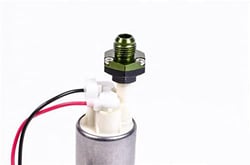
Walbro 128-3041 12mm Female Threaded Fuel Pump Fitting for GSL Series Inline Pumps







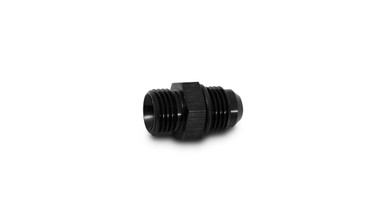 Representative Photo, actual item may vary
Vibrant AN Adapter Fitting





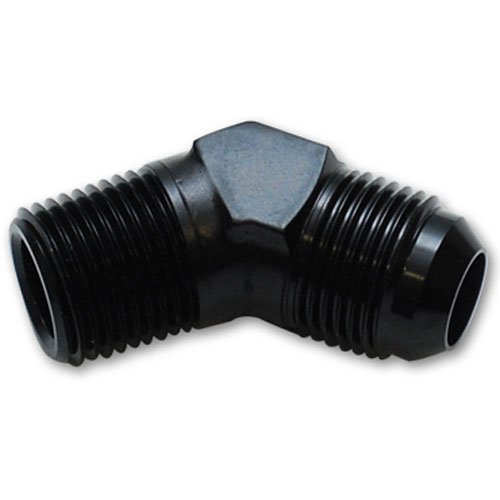 Representative Photo, actual item may vary


 Representative Photo, actual item may vary






What Are Fuel Pump Fittings and Why Do They Matter?
Fuel pump fittings are the small but critical connectors that link your fuel pump to the rest of the fuel delivery system — bridging fuel lines, hoses, carburetors, fuel rails, and pressure gauges into one cohesive, leak-free network. While they may not be the most glamorous components under the hood, a loose, corroded, or mismatched fitting can cause fuel leaks, pressure drops, and even dangerous fire hazards. Whether you're rebuilding a classic carbureted engine, upgrading a performance fuel system, or replacing a worn OEM fitting on a modern vehicle, choosing the right fuel pump fitting is essential to keeping your engine fed with a steady, uninterrupted supply of fuel.
Types of Fuel Pump Fittings
Fuel pump fittings come in a variety of configurations to suit different fuel system layouts and connection types. Common varieties include:
- Straight fittings – Used for direct, in-line connections between hoses, pumps, or fuel blocks without changing the flow direction.
- 90-degree elbow fittings – Allow a right-angle turn in the fuel line, ideal for routing hoses around tight engine bay obstacles.
- NPT-to-hose barb adapters – Connect threaded ports (such as those found on fuel pumps or carburetors) to rubber or braided fuel hose.
- Gauge port adapters – Feature an additional port to tap in a fuel pressure gauge without interrupting the main fuel line.
- T-block and Y-fittings – Split a single fuel supply line into multiple outlets, commonly used in dual-carburetor or fuel injection setups.
Material matters too. Brass fittings offer excellent corrosion resistance and durability for standard fuel applications, while aluminum fittings save weight and are popular in performance builds. For high-performance or boosted applications, stainless steel components provide superior strength and longevity.
What to Look for When Shopping Fuel Pump Fittings
Before purchasing, confirm the thread type and size of your fuel pump's inlet and outlet ports — NPT (National Pipe Thread) is the most common standard in American-market vehicles. Match the fitting's hose barb or tube diameter exactly to your fuel line's inner diameter to ensure a secure, leak-proof seal. For performance builds, prioritize "low-loss" designs that feature large internal bores and gradual bends to maximize fuel flow and minimize pressure restriction. Always use appropriate thread sealant (such as Teflon tape) on threaded fittings to prevent seepage.
Top Brands in Fuel Pump Fittings
Mr. Gasket is one of the most recognized names in fuel system fittings for performance and racing applications. Their adapter fittings are engineered for competition use with thin wall designs that, combined with easy gradual curves, allow maximum fuel flow and minimal restriction. Made from corrosion-resistant brass, they include one fitting and one hose clamp , making installation straightforward for both weekend builders and seasoned racers alike.
Genuine parts are factory-spec fittings sourced directly from original equipment manufacturers. For drivers who want to restore their fuel system to exact OEM tolerances — with guaranteed fitment and material compatibility — Genuine fittings are the most straightforward choice, particularly for late-model or import vehicles.
Dinan brings a high-performance engineering perspective to fuel system components, with a particular focus on BMW applications. Dinan components consist of CNC stainless steel adapters, stainless clamps, and high-quality automobile-grade submersible fuel hose , built to handle the demands of modified and high-output engines. For over 35 years, Dinan has been America's premier tuning company, pioneering advancements in BMW modification , and their fuel system fittings reflect that same commitment to precision engineering.