



Fuel Filter


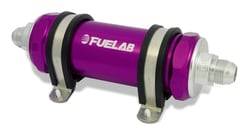
Fuelab 82831-4 Series Long In-Line Fuel Filter Micron Fiberglass Element - 828 6

Fuelab 82822-1 Series Long Length In-Line Fuel Filter Micron Stainless Steel - 828 75
Fuelab 82821-1 828 Series Long In-Line Fuel Pre-Filter 75 Micron Stainless -6AN




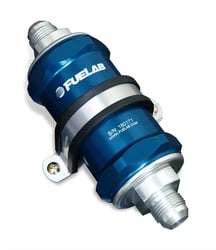



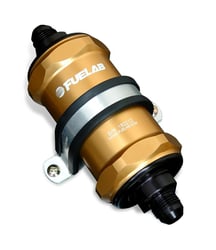



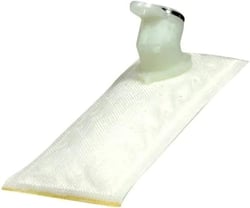
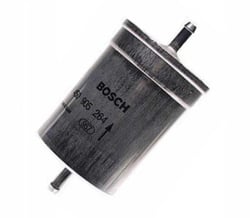



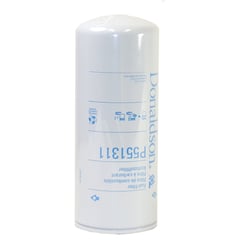
BD Diesel 1500063 Replacement Fuel Filter Cartridge for Remote Filter Kit

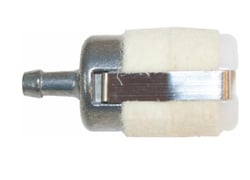
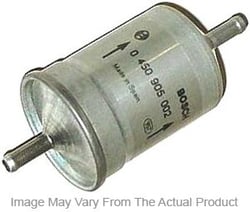

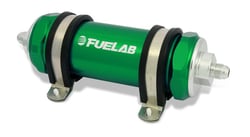
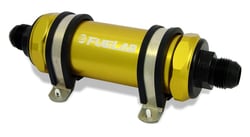
Fuelab 82832-5 Series Long In-Line Fuel Filter Micron Fiberglass Element - 828 6
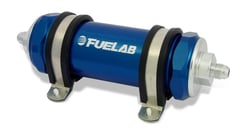
Fuelab 82832-3 828 Series Long Inline Fuel Filter -8AN 6 Micron Fiberglass Red
Fuelab 84801-2 Series In-Line Fuel Filter Standard Length Micron with Check Valve - 848 10
Fuelab 82823-6 Series Long In-Line Fuel Filter Micron Stainless Steel - 828 75 6AN
Fuelab 82822-3 Series In-Line Fuel Filter Long Length Micron Stainless Steel - 828 75
Fuelab 85812-2 Series In-Line Fuel Filter Long Length Micron with Check Valve - 858 10AN 40 Stainless
Fuelab 85812-1 Series In-Line Fuel Filter Long Micron SS Check Valve - 858 40 w/

Fuelab 82834-1 Series Long In-Line Fuel Filter Micron Fiberglass Element - 828 6
Fuelab 84812-2 Series In-Line Fuel Filter Micron Stainless Steel with Check Valve - 848 8AN 40 Red
Fuelab 85802-3 858 Series In-Line Fuel Filter with Integrated Check Valve -10AN Long Length Green
Fuelab 85832-5 858 Series In-Line Fuel Filter with Integrated Check Valve -10AN 6 Micron Fiberglass Gold
Fuelab 85832-4 Series In-Line Fuel Filter Long Micron Fiberglass with Check Valve - 858 6
Fuelab 85832-3 858 Series Long Length In-Line Fuel Filter with Integrated Check Valve, 6 Micron Fiberglass, -10AN
Fuelab 85832-2 Series High-Flow In-Line Fuel Filter with Integrated Check Valve Micron Long Length - 858 6
Fuelab 85831-6 858 Series Long In-Line Fuel Filter with Integrated Check Valve 6 Micron Green
Fuelab 85831-5 Series In-Line Fuel Filter Long Micron Fiberglass with Check Valve - 858 6
Fuelab 85831-3 858 Series In-Line Fuel Filter with Integrated Check Valve Long Length 6 Micron

Fuelab 85811-6 Series Long Length In-Line Fuel Filter with Integrated Check Valve Micron - 858 40 6AN
What Is a Fuel Filter and Why Does It Matter?
Fuel filters are one of the most quietly critical components in any engine. Fuel filters serve as the front line of defense between your fuel supply and your engine's most sensitive internal parts. As gasoline or diesel travels from the tank through the fuel lines, it can pick up dirt, rust particles, water, and other microscopic debris — contaminants that can wreak havoc on precision-engineered fuel injectors and pumps if left unchecked.
Modern fuel systems operate at extremely high pressures with tight tolerances, making clean fuel delivery more important than ever. Fuel injectors are designed to atomize fuel for optimal combustion, and when contaminated fuel passes through, it causes abrasion and wear that leads to poor fuel atomization, reduced power output, and lower fuel efficiency. A quality fuel filter traps these harmful substances before they ever reach the engine, ensuring clean fuel flows into the combustion chamber and protecting downstream components like the fuel pump and injectors.
Signs Your Fuel Filter Needs Replacing
A clogged fuel filter doesn't always announce itself dramatically — but the symptoms are hard to ignore once they set in. Common warning signs include:
- Difficulty starting or longer-than-usual crank times
- Sluggish acceleration or hesitation under load
- Rough idle or engine shuddering
- Reduced fuel economy
- Engine misfires or stalling, especially at low speeds
If ignored, a blocked filter can eventually halt fuel delivery to the engine entirely, leading to costly injector or pump failures. The good news is that fuel filter replacement is one of the most cost-effective maintenance tasks available — far cheaper than the repairs that follow from neglecting it.
How to Choose the Right Fuel Filter
Not all fuel filters are universal. Key factors to consider when shopping include compatibility with your vehicle's make, model, and engine type; the filter's micron rating (the lower the micron rating, the finer the particles it can capture); and whether your application requires a standard in-line filter, an in-tank filter, or a fuel/water separator — particularly important for diesel engines, where water contamination is an ever-present concern. Always consult your vehicle's owner's manual for the manufacturer's recommended replacement interval, which typically ranges from every 20,000 to over 60,000 miles depending on the engine and fuel type.
Top Fuel Filter Brands
Baldwin Filters is one of the most trusted names in heavy-duty filtration. Founded in 1936, Baldwin brings decades of engineering expertise and a vertically integrated manufacturing process to its fuel filter lineup, covering light-, medium-, and heavy-duty vehicles as well as agricultural, construction, and marine equipment. Baldwin's goal of meeting or exceeding OEM specifications — backed by rigorous in-house testing — has made the brand a staple in professional fleets and independent shops alike.