



Carburetor Fuel Inlet Fitting






Moroso 65141 Carburetor Fuel Inlet Fittings Hard Coat Anodized Alcohol-Resistant (2-Pack)




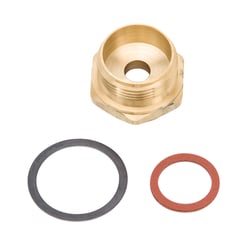


 Representative Photo, actual item may vary
Russell Performance 641273 Carburetor Fuel Line Assembly Holley Dual Inlet with Filter 7/8-20 Ports -8AN Inlet Black/Clear Finish
 Representative Photo, actual item may vary

 Representative Photo, actual item may vary
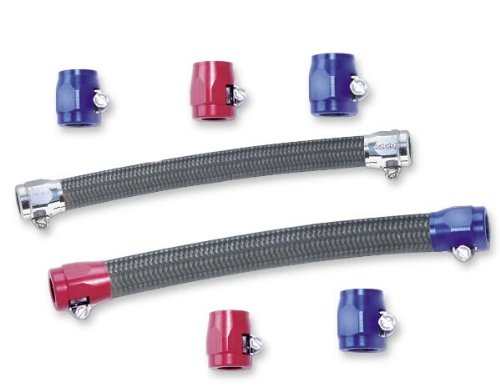 Representative Photo, actual item may vary


What Are Carburetor Fuel Inlet Fittings?
Carburetor fuel inlet fittings are the critical interface between your fuel line and the carburetor itself. These small but essential components connect the fuel line to the carburetor, ensuring a secure and leak-free connection. By regulating fuel flow and pressure at the point of entry, they allow the carburetor to function optimally and deliver the correct fuel-and-air mixture to the engine. Without a properly seated inlet fitting, even the best carburetor setup can suffer from fuel starvation, inconsistent pressure, or dangerous leaks.
In a typical carbureted fuel system, fuel travels from the tank, through the fuel pump and an inline filter, and arrives at the carburetor through this fitting. Any kink, leak, or blockage at this junction can lead to engine problems including poor fuel delivery and stalling — which is why fitting quality and correct sizing matter so much.
Why the Right Fitting Matters
Carburetor fuel inlet fittings come in a wide variety of thread sizes, body styles, and materials — and choosing the right one for your application is essential. When selecting a fitting, it is important to consider factors such as the type and size of the carburetor, the fuel line size and AN rating, and the specific requirements of your vehicle's fuel system. Thread sizes vary by carburetor brand and model: common sizes include 7/8"-20 for popular Holley-style dual-feed carbs, 9/16"-24 for Street Demon applications, and metric threads such as 12mm x 1.25 for Weber, Mikuni, and Solex carburetors. Angles and configurations — straight, 90-degree, banjo-style, or long-style — also affect how the fitting routes the fuel line in the engine bay.
Material choice plays an important role as well. Most performance-grade inlet fittings are machined from aluminum and feature anodized finishes that resist corrosion and fuel degradation. Stainless steel options are also available for environments where added durability is needed. Swivel-style fittings are particularly popular in tight engine bays, allowing the hose end to be positioned without putting stress on the fuel line.
Top Brands in Carburetor Fuel Inlet Fittings
Red Horse Performance is a leading brand in this category, and for good reason. Their carburetor inlet fittings are machined from 6061 T-6 aluminum, then anodized and hand-polished for a consistent, bright, durable finish. Their 5100 Series long-style fittings feature a swivel end, include gaskets, and are available in red, blue, and black anodized finishes — making them a go-to for both race-day reliability and clean engine-bay aesthetics. Red Horse backs their products with a limited lifetime warranty.
Earl's Performance brings decades of plumbing expertise to the carburetor fitting market. Their inlet fittings are made from aluminum with an anodized finish or stainless steel with a natural finish, available in a wide variety of sizes and attachment styles — including banjo bolt configurations for import carburetors like Weber, Mikuni, and Solex — making Earl's an especially versatile choice when adapting AN fuel lines to non-domestic applications.
SPEEDFX rounds out the selection with a focused lineup of carburetor inlet fittings designed for straightforward, reliable fitment across popular carb platforms. Their fittings are a practical choice for builders who need a quality component without the premium racing-brand price tag.
Kluhsman Racing Products serves the dedicated motorsports crowd. Known in oval track and dirt racing circles, Kluhsman brings race-proven attention to detail to even the smallest fuel system components, making their carburetor inlet fittings a trusted choice for competitive builds where every connection counts.
Key Buying Considerations
- Thread Size: Match the fitting thread to your specific carburetor model (e.g., 7/8"-20 for Holley dual-feed, 9/16"-24 for Demon-style carbs).
- AN Hose Size: Common options are -6 AN and -8 AN; match the fitting to your fuel line for proper flow.
- Body Style: Straight, 90-degree, long-style, and banjo configurations each suit different routing needs.
- Material: Anodized aluminum is lightweight and corrosion-resistant; stainless steel offers added toughness in demanding environments.
- Gaskets Included: Confirm whether a fitting includes sealing gaskets, especially for dual-feed bowl applications.