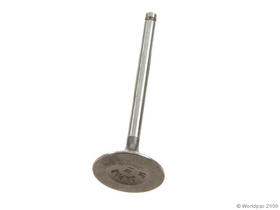
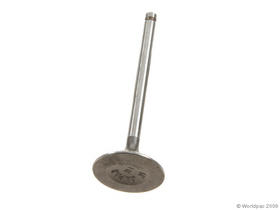
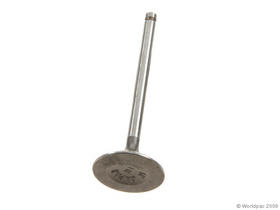
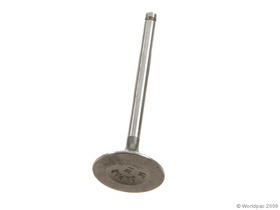
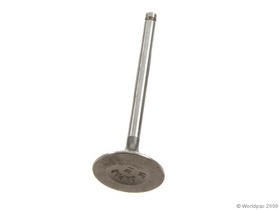
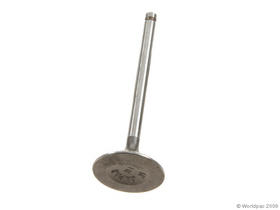
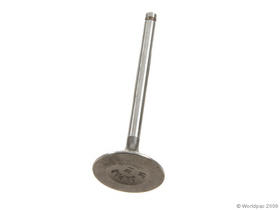
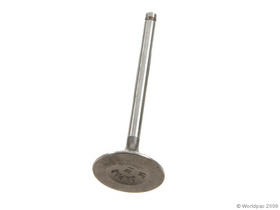
Engine Intake Valve
Manley 12208HTB-8 Titanium Intake Valve Set 2.400" Head Diameter BRODIX Big Block SR 20
Manley 11361-8 Stainless Steel Intake Valve 1.550" Head .3136" Stem
Brian Crower BC3060 Stainless Steel Intake Valves Honda S2000 F20C F22C 36mm
Manley 11640-8 Stainless Steel Intake Valve 45.5mm 4.705" LS Engine
Brian Crower BC3010 Stainless Steel Intake Valves 33mm Honda B-Series
Manley 11562-8 Extreme Duty Stainless Steel Intake Valves Big Block Chevy Set of 8
Manley 11644-10 Race Master Stainless Steel Intake Valve Set for Dodge Viper V10
Supertech Performance TIVN-1019-8 Black Nitrided Intake Valve Set for Toyota 4AGE 16V - 8 Valves
Manley 11669-8 Stainless Steel Intake Valve 1.595" Head .3125" Stem
Engine intake valves control the flow of air and fuel mixture into the combustion chamber, playing a critical role in every combustion cycle your engine completes. During the intake stroke, the piston moves downward and the intake valve opens, allowing the air-fuel mixture to enter the combustion chamber from the intake manifold. This precisely timed operation directly affects engine breathing, power output, fuel efficiency, and overall performance.
Why Intake Valves Matter
Intake valves are typically made of steel with chrome and silicon alloys which provide good resistance to heat and work. These valves work in temperatures around 800 to 1,000 degrees Fahrenheit, making material selection and manufacturing quality crucial for longevity. When intake valves fail or wear, symptoms include reduced power, poor fuel economy, misfires, and rough idling. Regular valve train maintenance and quality replacement parts ensure your engine continues to breathe properly and deliver the performance you expect.
Whether you're building a race engine, restoring a classic, or simply maintaining your daily driver, selecting the right intake valves affects compression ratios, valve timing efficiency, and compatibility with your camshaft profile. Performance builders often upgrade to lightweight materials or larger valve diameters to maximize airflow, while OEM replacement focuses on restoring factory specifications with reliable, durable materials.
Leading Intake Valve Manufacturers
The intake valve market offers options ranging from budget-friendly OEM replacements to exotic race-proven materials. Ferrea stands at the forefront of racing valve technology, using the latest technological advances gained through the development of engine valve programs through racing teams, with almost 50 years as a trusted name for engine builders. Ferrea offers different blends of Titanium and Stainless Steel materials for each application, from their 5000 Series performance street valves to Competition Plus extreme duty racing components.
Brodix Cylinder Heads brings over six decades of cylinder head expertise to their valve offerings, having been the leader in casting quality small block Chevy engine components for more than 40 years. Their valves are engineered to work seamlessly with their renowned cylinder head designs, offering precision-manufactured stainless steel options for street and race applications.
For performance enthusiasts, Dart provides valves designed to complement their legendary cylinder head castings, while DNJ Engine Components focuses on delivering reliable OEM-quality replacement valves for import and domestic applications. Mopar Performance offers factory-engineered intake valves specifically designed for Chrysler, Dodge, and Jeep engines, ensuring proper fit and performance for enthusiasts maintaining authentic builds.
Choosing the Right Intake Valve
When selecting intake valves, consider your engine's intended use, operating RPM range, spring pressures, and camshaft specifications. Street engines typically use stainless steel valves for their excellent durability and heat resistance, while racing applications may justify titanium's weight savings and strength advantages. Valve diameter, stem diameter, overall length, and tip design must match your cylinder head specifications and valve train geometry.
Material composition affects both performance and longevity—higher-grade alloys withstand increased spring pressures and higher RPM operation without premature wear or failure. Whether you're replacing worn valves in a stock engine or building a high-performance powerplant, quality intake valves from proven manufacturers ensure reliable operation and optimal engine breathing for thousands of miles.