



Engine Intake Manifold Spacer


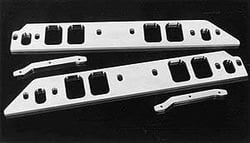
B & B Performance 60700 Intake Manifold Spacer Kit Big Block Chevy Rectangle Port
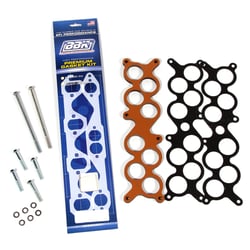

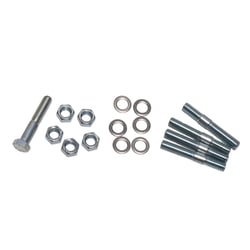
BBK 1520 Phenolic Intake Manifold Spacer Kit for Edelbrock Performer 5.0


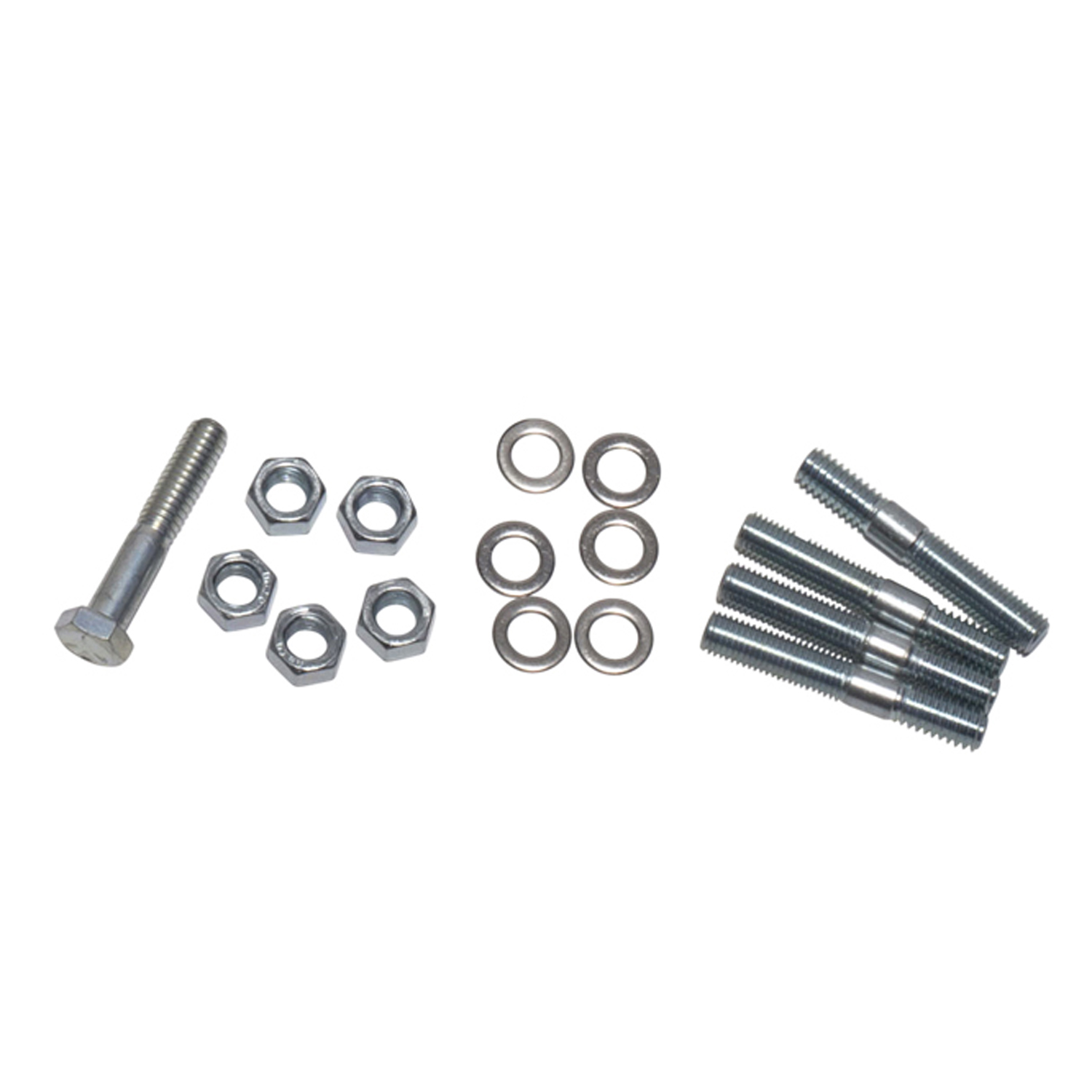 Representative Photo, actual item may vary

B & B Performance 60720 Intake Manifold Spacer Kit Big Block Chevy Large Rectangular Port
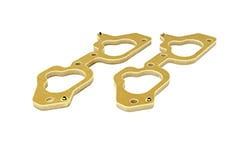
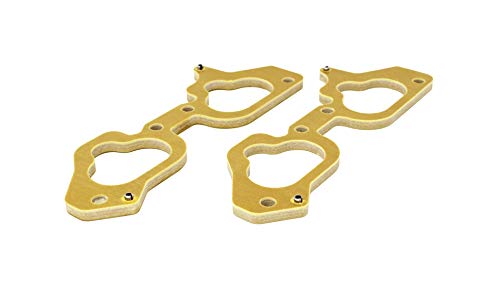
Torque Solution TS-SU-478-8 Phenolic Thermal Intake Manifold Spacer 8mm Subaru EJ


Edelbrock 8729 1/2" Manifold Spacer Plate Kit for Performer RPM II 5.0

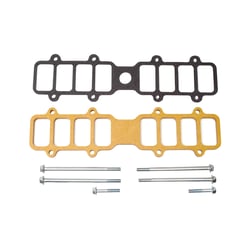
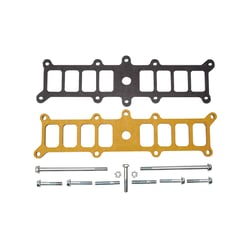
 Representative Photo, actual item may vary
Torque Solution TS-SU-478B-S 19mm Billet Intake Manifold Spacer Silver Anodized
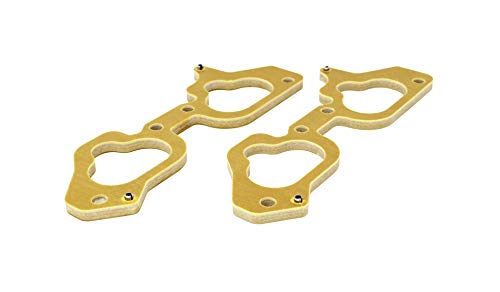 Representative Photo, actual item may vary
Torque Solution TS-SU-478B-BK 19mm Billet Intake Manifold Spacer Black Anodized
 Representative Photo, actual item may vary

MSD 2705 Adapter Kit for Atomic AirForce Intake Manifold LS1 Injector


What Is an Engine Intake Manifold Spacer?
An engine intake manifold spacer is a precision-machined plate or block installed between the intake manifold and the cylinder head or carburetor. By creating additional distance between these components, a spacer modifies the plenum volume and runner geometry of the intake tract — changes that can have a meaningful impact on how an engine breathes, responds, and makes power across the RPM range.
Why Intake Manifold Spacers Matter
The relationship between an intake manifold and the combustion chamber is critical to engine performance. When air and fuel travel through the intake tract, the velocity, turbulence, and charge density of that mixture directly influence combustion efficiency. A properly selected spacer can increase plenum volume, which tends to favor top-end horsepower, while also promoting better fuel atomization and helping to insulate the carburetor or throttle body from heat soak generated by the engine.
Heat soak is a particularly common concern on performance and high-output engines. When the intake manifold gets hot, it warms the incoming air-fuel charge, reducing its density and robbing the engine of potential power. A phenolic or composite spacer acts as a thermal barrier, keeping charge temperatures lower and preserving power output — especially during extended high-load driving conditions.
Choosing the Right Spacer
Not all intake manifold spacers are created equal. Key considerations include:
- Material: Aluminum spacers offer strength and precise fitment, while phenolic and composite materials provide better thermal insulation. Each has trade-offs depending on your application.
- Thickness: Thinner spacers (1/4" to 1/2") tend to improve low- to mid-range torque, while thicker spacers can shift the power band toward higher RPMs by increasing plenum volume.
- Open vs. Divided: Open-style spacers allow the full plenum to breathe freely, while divided or four-hole designs help increase velocity and can improve throttle response at lower RPMs.
- Compatibility: Always verify that a spacer is designed for your specific carburetor flange pattern (e.g., Holley 4150, Quadrajet) and intake manifold bolt pattern before purchasing.
Top Brands in Engine Intake Manifold Spacers
Several respected manufacturers bring proven engineering to this category. Speedmaster is a leading choice among performance enthusiasts, offering well-engineered spacers designed to improve airflow characteristics and thermal management on a wide range of applications. Their products consistently represent strong value in the performance parts market.
B & B Performance brings a focused approach to performance engine components, supplying spacers suited for builders who demand precision fitment and reliable power gains on demanding builds.
Peterson Fluid is well regarded in high-performance and racing circles, and their presence in this category reflects their commitment to supporting serious engine builds with quality supporting components.
Ford Racing — the performance parts division rooted in Ford's motorsport heritage — offers intake manifold spacers developed with OEM-level engineering standards and direct fitment for Ford-based engines and platforms.
MSD is a household name in performance ignition and engine management, and their intake spacer offerings complement their broader lineup of power-adding components for enthusiast builds.
Whether you are building a street machine, weekend track car, or dedicated racing engine, an intake manifold spacer is a cost-effective component worth considering as part of a complete induction system strategy.