



Engine Expansion Plug

Industrial Injection PDM-07001 Freeze Plug Side Plate for Cummins 12V 24V 4BT


Genuine Mercedes 000 998 65 90 Engine Expansion Plug Cylinder Head


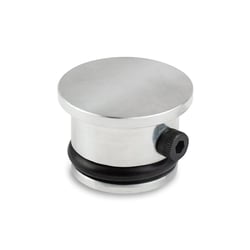

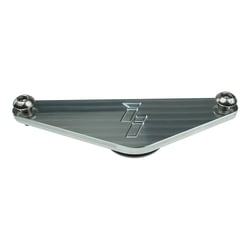
Industrial Injection PDM-08207 Rear Freeze Plug Back Plate Plug with O-Ring for 5.9L/6.7L Cummins



Industrial Injection PDM-08203 Freeze Plug Back Plate Slug for Dodge Cummins 5.9L 6.7L
 Representative Photo, actual item may vary

 Representative Photo, actual item may vary
 Representative Photo, actual item may vary
 Representative Photo, actual item may vary

What Are Engine Expansion Plugs?
Engine expansion plugs — commonly called freeze plugs, core plugs, or welch plugs — are small but critical sealing components pressed into the casting holes of your engine's cylinder block and head. These holes are formed during the manufacturing process when sand cores are used to shape the internal coolant passages of the block. Once the casting is complete, the openings are sealed with expansion plugs to keep engine coolant contained within the cooling system where it belongs.
Despite their nickname "freeze plugs," their primary job is not to pop out and save your engine from freezing — that's largely a myth. Their real purpose is structural sealing. Over time, however, these plugs are exposed to constant thermal cycling, coolant chemistry changes, rust, and corrosion. A failing expansion plug can cause coolant leaks that range from a slow seep to a significant loss of coolant pressure, leading to overheating and serious engine damage if left unaddressed.
Signs of a Failing Expansion Plug
Because expansion plugs are tucked away in tight areas of the engine block, leaks can go unnoticed until significant damage occurs. Watch for these warning signs:
- Coolant puddles beneath the engine or transmission bellhousing area
- Unexplained coolant loss without visible external leaks from hoses or the radiator
- Rust streaks or mineral deposits on the side of the engine block
- Overheating caused by low coolant levels resulting from a slow leak
Choosing the Right Engine Expansion Plug
Expansion plugs come in several materials, each suited to different applications and climates. Steel plugs are the most common and economical, but can be prone to rust in regions where coolant maintenance is neglected. Brass plugs offer superior corrosion resistance and are a popular upgrade, especially for older vehicles or engines rebuilt with fresh blocks. Stainless steel options are available for high-performance and racing applications where longevity and reliability are paramount. Always match the plug diameter and style — cup-type, disc-type, or threaded — to your specific engine specification.
Top Brands in Engine Expansion Plugs
Pioneer Automotive is one of the most recognized names in engine sealing components, offering an extensive range of expansion plugs designed to meet or exceed OEM specifications across a wide variety of domestic and import engines. Their broad product coverage and consistent quality make them a go-to choice for professional rebuilders and DIY mechanics alike.
Pioneer rounds out the category with a focused selection of core plugs built for reliable, leak-free performance. Their plugs are well-regarded for dimensional accuracy, ensuring a secure press fit that holds up through years of thermal cycling and coolant exposure.
For those performing OEM-level restorations or repairs, Genuine parts provide factory-matched expansion plugs that ensure the closest possible fit and finish to original manufacturer specifications — ideal when originality and precision matter most.
Why Replacing Expansion Plugs Matters
Whether you're doing a full engine rebuild or addressing a stubborn coolant leak, using quality expansion plugs is a small investment that protects a very large one. Replacing worn or corroded plugs during a rebuild — rather than reusing originals — is considered best practice by professional engine builders and can prevent costly coolant leaks down the road.