



Engine Camshaft Thrust Button
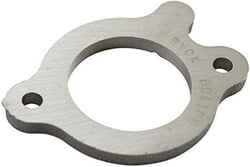


COMP Cams 206 Nylon Thrust Button .735" Length Chrysler 383-440 Hemi V8

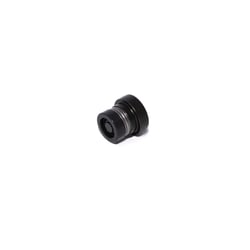
COMP Cams 200 Roller Thrust Button .795" Chevy Small Block 265-400
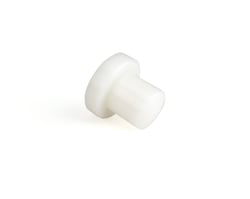
COMP Cams 202 Nylon Thrust Button .810" for Chevy Small Block 265-400 V6

COMP Cams 207 Nylon Thrust Button .945" Length Chevy Big Block 396-454
COMP Cams 205 Nylon Thrust Button .945" Length for Chevrolet Big Block 396-454
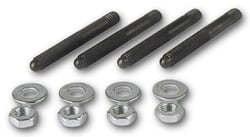
Moroso 60461 Cam Stop Button Kit SBC 90-Degree V6 Late Flat Timing Cover

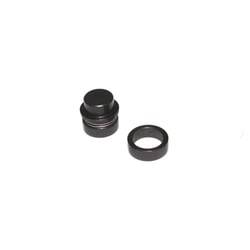
COMP Cams 204 Roller Thrust Button .715" Long for Chrysler Hemi V8
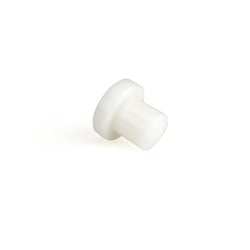
COMP Cams 261 Roller Nylon Thrust Button .945" Length Chevy BBC 396-454
 Representative Photo, actual item may vary
What Is an Engine Camshaft Thrust Button?
An engine camshaft thrust button is a small but critical component in your engine's valvetrain system. Its primary function is to provide axial support to the camshaft, preventing it from moving forward and backward — a phenomenon known as "cam walk" — during engine operation. Left unchecked, cam walk can cause inaccurate ignition timing, premature timing chain wear, and accelerated damage to other valvetrain components.
Why Camshaft Thrust Buttons Matter
The need for a thrust button largely comes down to camshaft design. Traditional flat-tappet camshafts use lobes ground with a very slight angle around the lobe surface, which creates a side-load that naturally pushes the cam rearward in the block. Roller camshafts, however, have lobes that are ground flat rather than tapered, meaning there is no inherent force holding the cam in place longitudinally. This makes a thrust button essential in any roller cam application — and a smart addition to many flat-tappet builds as well.
The thrust button mounts at the front of the camshaft and rides between the front of the timing gear and the back of the timing cover. It can typically be shimmed to achieve proper camshaft end play. When cam walk goes unchecked, the most noticeable symptom is erratic or retarded ignition timing — a gradual loss of a few degrees per thousand miles that can quietly rob an engine of performance before the root cause is identified.
Solid vs. Roller Thrust Buttons
Thrust buttons come in several styles and materials, and choosing the right one matters as much as using one at all. Solid nylon buttons are a popular, cost-effective option and work well with stamped steel timing covers. Roller-style thrust buttons use a needle bearing design to reduce friction between the button and the timing cover, making them a popular choice in high-RPM performance and racing applications where every friction source counts. Aluminum solid buttons are another option but should only be paired with stamped steel covers — never with aluminum timing covers, where a softer material like nylon is preferable to prevent galling.
Fitment is equally important. Different engine families — Small Block Chevy, Big Block Chevy, Chrysler 383–440, HEMI, Buick V6, and others — each require a thrust button sized to the correct length for that specific camshaft and timing cover combination.
Top Brands for Engine Camshaft Thrust Buttons
COMP Cams is the dominant name in this category, offering one of the widest selections of thrust buttons on the market. Their lineup spans solid nylon buttons, roller thrust buttons with full needle bearing designs, and moly-coated wear plates — covering applications from Small Block and Big Block Chevys to Chrysler HEMIs, Buick V6s, and more. COMP Cams also offers companion wear plates that help distribute thrust load evenly and protect the front of the block in demanding builds.
Mr. Gasket brings decades of motorsport heritage to this category. Founded by drag racer Joe Hrudka and now part of the Holley Performance family, Mr. Gasket offers cam button spacers and thrust plates that are regarded as an absolute necessity for roller cam installations. Their LS-specific camshaft retainer and thrust plate is a well-known solution for GM Gen III/IV LS engine builds, making Mr. Gasket a go-to for LS swaps and restorations alike.