



Engine Oil Pump Pickup Tube
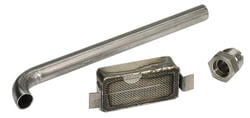


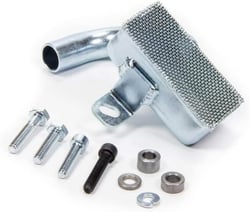


Moroso 24523 Oil Pump Pickup Street Strip Road Race Small Block Ford 289-302


Moroso 24527 Extended Oil Pump Pickup for Stock and Ford M68 Style Pumps


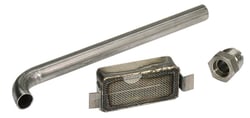
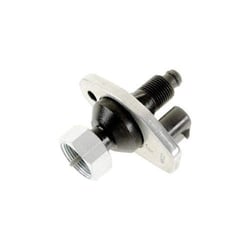

Moroso 24350 Oil Pump Pickup for Small Block Chevy High Volume Race Pumps

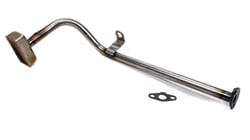
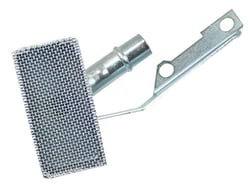
Moroso 24120 Oil Pump Pickup - Precision Bent MIG Welded with Wire Mesh Screen

Moroso 24507 Oil Pump Pickup Tube - Precision Bent with Wire Mesh Screen
Moroso 24360 Oil Pump Pickup Small Block Chevy 3/4" Street/Strip
Moroso 24530 Oil Pump Pickup - Precision Bent Steel Construction

Moroso 24480 Oil Pump Pickup - Precision Bent MIG Welded Steel Screen

Moroso 24101 Oil Pump Pickup - Precision Bent Steel with Wire Mesh Screen

Moroso 24104 Extended Oil Pump Pickup for Small Block Chevy High Volume
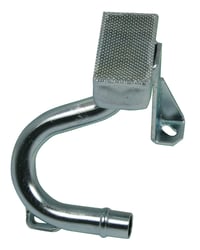

Moroso 24314 Oil Pump Pickup - Precision Bent with Wire Mesh Screen
Moroso 24518 Oil Pump Pickup Ford 289-302 Small Block 7.5" Pan Depth Bolt-In

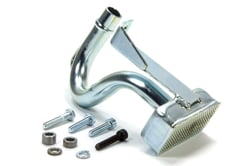


Moroso 24351 Oil Pump Pickup - Precision Bent Steel with Wire Mesh Screen


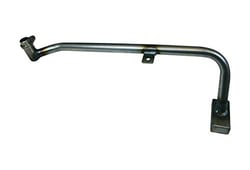
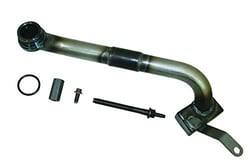

- 1
- 2
What Is an Engine Oil Pump Pickup Tube?
The engine oil pump pickup tube is one of the most underappreciated components in your engine's lubrication system — yet it's the very first link in the chain that keeps your engine alive. Located inside the oil pan, the pickup tube extends from the oil pump down toward the bottom of the pan, drawing oil up and delivering it to the pump. From there, the pump pressurizes the oil and circulates it throughout the engine to lubricate critical moving parts including the crankshaft, camshaft, pistons, and bearings.
At the intake end of the tube sits a wire mesh screen or filter. This screen performs double duty: it keeps large debris and contaminants from entering the oil pump, while still allowing a steady supply of oil to flow through. Over time, varnish and sludge can build up on this screen, restricting flow. Left unchecked, restricted flow can starve the oil pump — and a starved engine won't last long.
Why the Pickup Tube Matters for Performance
On a stock street engine, the factory pickup tube is usually adequate. But when you raise the RPM ceiling, swap in a deeper aftermarket oil pan, or put the car through hard cornering, braking, and acceleration, the demands on the oiling system change dramatically. The pickup tube's design and placement must ensure it can draw oil consistently, even as the oil sloshes under dynamic loads.
Tube diameter and inlet restriction are equally important factors. A pickup with a restrictive inlet can limit how much oil the pump can pull in, effectively choking your lubrication system at exactly the wrong moment. When pairing a high-volume pump with a pickup tube, it's essential to match the tube's flow capacity to the pump's capability. Additionally, the pickup should sit approximately 1/4 inch from the bottom of the oil pan — close enough to draw oil efficiently, but not so close that it throttles flow.
If you're running a deeper-than-stock aftermarket oil pan, you'll need a pickup tube matched to that pan's depth. Always verify the correct depth specification with your oil pan manufacturer before purchasing.
Signs Your Pickup Tube Needs Attention
- Low or fluctuating oil pressure readings
- Metallic noises from the engine, especially at startup or high RPM
- Decreased engine performance or higher-than-normal operating temperatures
- Evidence of sludge or large particles in your oil
Any of these symptoms warrant dropping the oil pan and inspecting the pickup tube and screen for clogs, damage, or improper clearance to the pan floor.
Top Brands in Engine Oil Pump Pickup Tubes
When it comes to sourcing a quality pickup tube, the brand matters. Milodon is a dominant name in performance oiling systems, offering an extensive catalog of pickup tubes for small block and big block Chevy, Ford, Chrysler, and more — with options engineered specifically for street/strip, road race, and marine applications. Their designs are built to pair precisely with their own high-performance oil pans, ensuring proper geometry and clearance right out of the box.
Champ Pans has been delivering high-performance oiling products for over 30 years, offering pickup tubes compatible with circle track, street, strip, off-road, road race, and marine applications. Their straightforward, well-engineered designs are a popular choice for builders who want proven performance without overcomplicating the build.
Peterson Fluid Systems brings a race-bred engineering philosophy to their oiling components, with a focus on reducing cavitation and maximizing flow consistency at high RPM — making them a go-to choice for serious competition builds where oil starvation is simply not an option.
Rounding out the lineup, Holley offers pickup tube solutions that integrate seamlessly with their broader family of performance engine components, making them a natural choice for builds already utilizing Holley intake, fuel, or engine management systems.