



Distributor Gasket
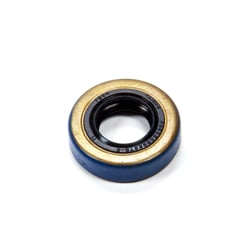



What Is a Distributor Gasket?
In any vehicle equipped with a conventional distributor-based ignition system, dozens of individual components must work in precise harmony. The distributor gasket may be one of the smallest parts in that assembly, but it plays a surprisingly important sealing role. Seated between the distributor housing and the engine block or intake manifold, the gasket creates a leak-proof barrier that prevents oil seepage around the distributor base — protecting both the ignition components above and the engine surfaces below.
How the Distributor Fits Into Your Ignition System
The distributor is the component in a gasoline engine's ignition system that directs high-voltage electrical current to the spark plugs in the correct firing order. The distributor has a shaft that gets spun by the camshaft, and that shaft moves other distributor parts that cause the ignition coil to pulse and send electricity down each spark plug wire in sequence. Because the distributor is driven directly off the engine, it is mounted close to — and often penetrates into — the engine block, making a reliable seal at its base essential for preventing oil leaks.
In older distributors, adjusting the ignition timing is usually achieved through mechanical advance, which adjusts the timing based on engine speed using a set of hinged weights attached to the distributor shaft. Whether your vehicle runs a traditional points-style system or an electronic ignition conversion, the distributor gasket remains a critical part of the assembly.
Why the Distributor Gasket Matters
Over time, heat cycles, oil pressure fluctuations, and general wear can cause the original gasket to harden, crack, or compress unevenly. When this happens, oil can seep past the distributor base, creating leaks that contaminate ignition components and potentially cause misfires or hard starting. Replacing a worn distributor gasket is a straightforward but important part of any distributor service, rebuild, or re-installation — ensuring the housing seats flush and the seal holds under operating conditions.
Whenever you pull a distributor for a timing adjustment, a full rebuild, or an electronic ignition upgrade, it's best practice to install a fresh gasket rather than reuse the old compressed one. This small step helps ensure a reliable, oil-tight fit for the life of the installation.
Mopar Performance Distributor Gaskets
Mopar Performance is the factory-backed performance and restoration brand for Chrysler, Dodge, Plymouth, and Jeep vehicles — making their distributor gaskets the natural fit for Mopar engine families. Mopar licensed parts are complete, high-performance packages made entirely from new, not rebuilt, components. For builders restoring a classic Mopar muscle car or servicing a period-correct engine, choosing a Mopar Performance gasket means confidence in fit and material quality straight from the source.
Shopping Tips for Distributor Gaskets
- Match your engine family: Distributor bolt patterns and housing diameters vary between engine families — always verify compatibility with your specific make, model, and engine.
- Replace during any distributor service: Any time the distributor is removed, install a new gasket to ensure a fresh, reliable seal.
- Material matters: Look for gaskets made from oil-resistant materials that can withstand engine operating temperatures without hardening or cracking prematurely.
- OEM vs. performance: For stock restorations, factory-spec gaskets maintain correct tolerances; for performance builds, verify the gasket is rated for modified engine conditions.