



Brake Light
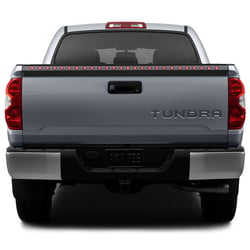

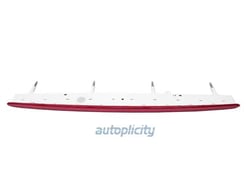
Genuine BMW 63-25-7-164-978 Third Brake Light High Mount Stop Lamp

 Representative Photo, actual item may vary
Genuine BMW 63-25-8-389-734 Third Brake Light Assembly


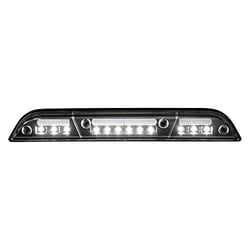
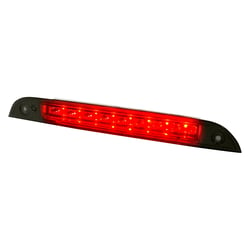

TeraFlex 4997220 Third Brake Light Extension Bracket Kit for Jeep Wrangler JK 2007-2018

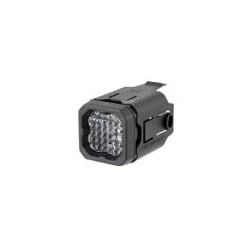

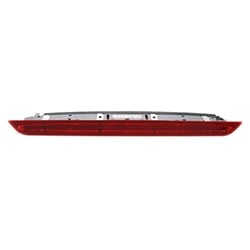
Genuine BMW 63-25-7-217-304 High Mount Third Brake Light Assembly with LED
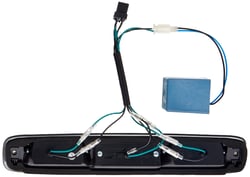

Spyder 9025457 xTune LED Third Brake Light Smoke Lens - 9024979


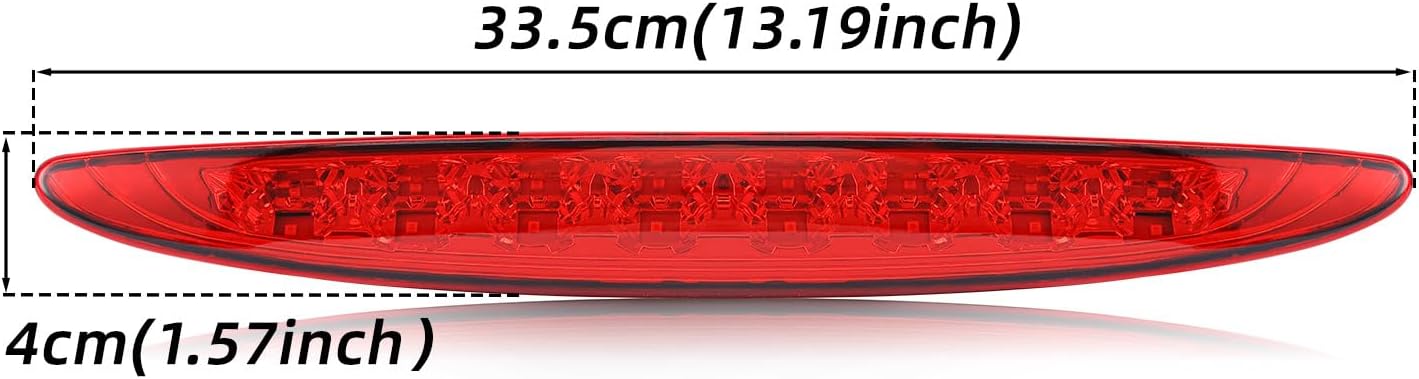 Representative Photo, actual item may vary

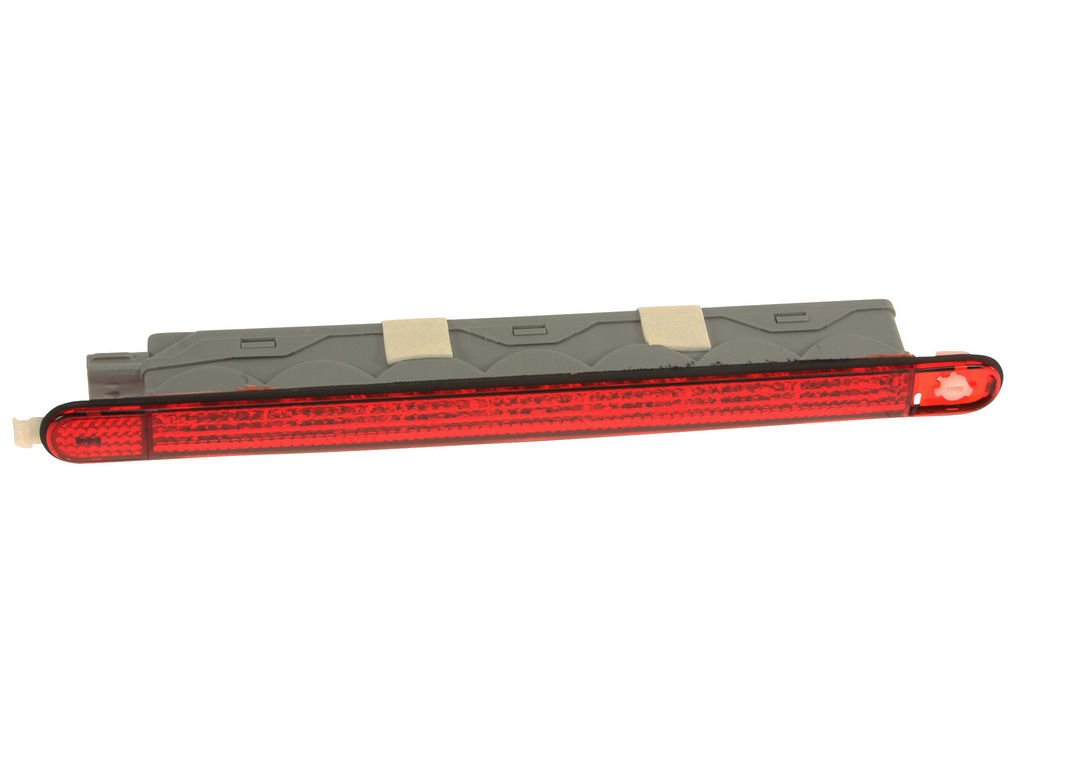 Representative Photo, actual item may vary
Genuine Porsche 955-631-050-02 Center High Mount Stop Light Third Brake Light


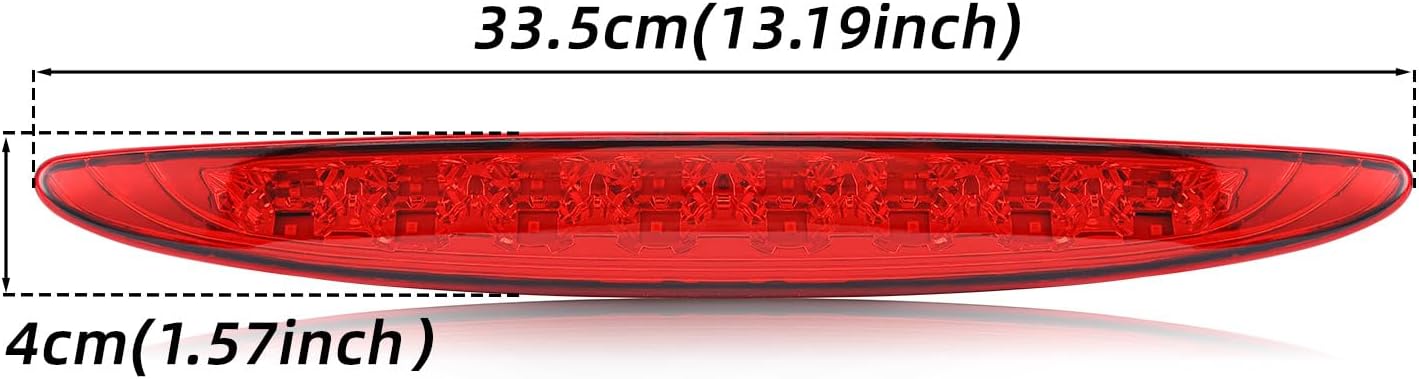 Representative Photo, actual item may vary
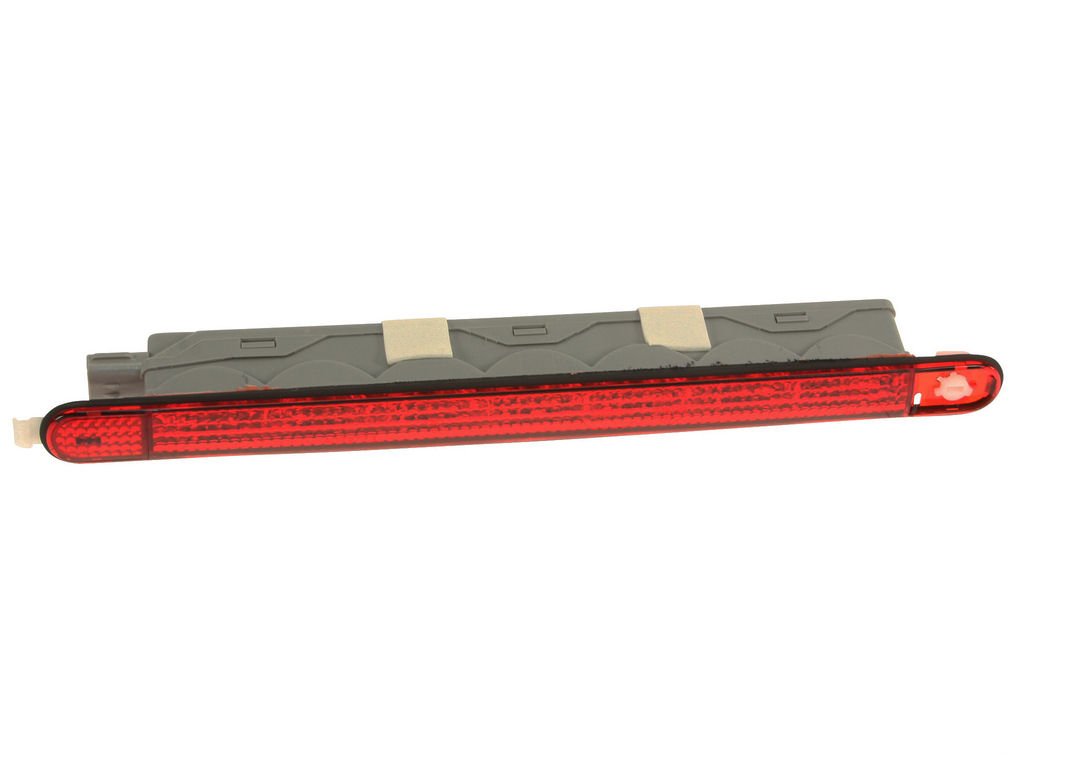 Representative Photo, actual item may vary
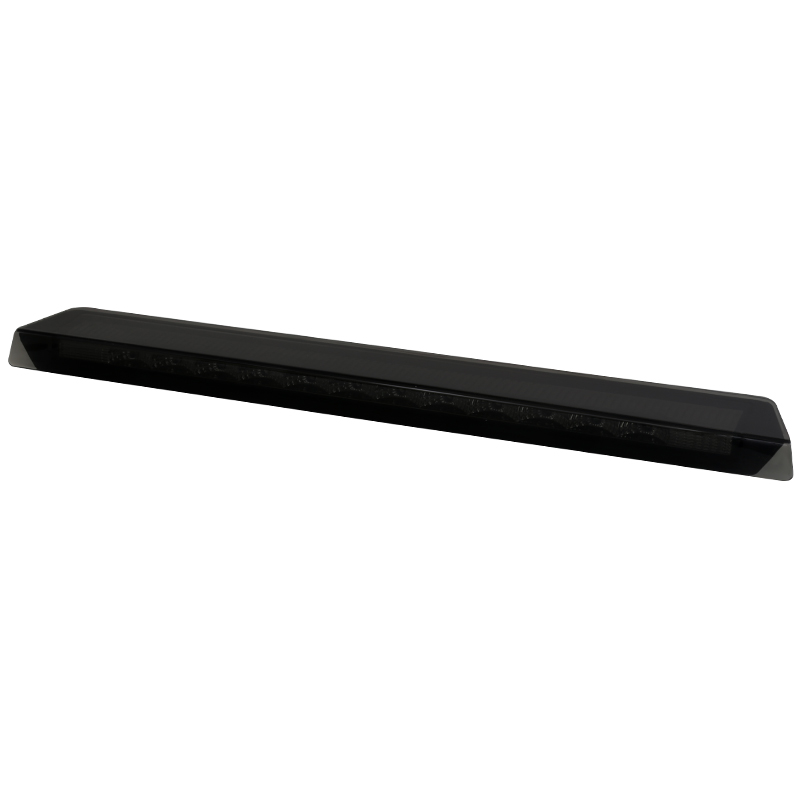 Representative Photo, actual item may vary
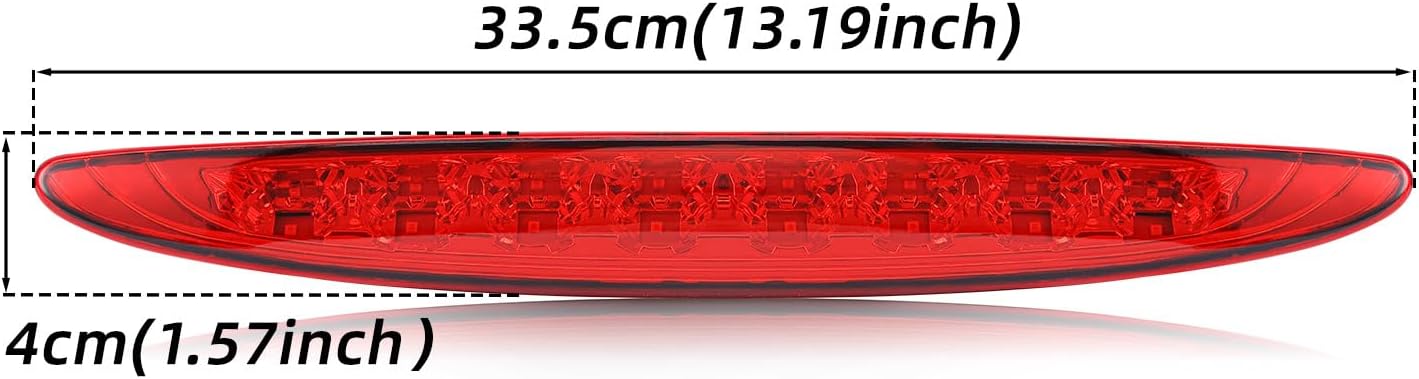 Representative Photo, actual item may vary
Genuine BMW - Mini 63-25-7-221-834 Third Brake Light High Mount Lamp White Lens

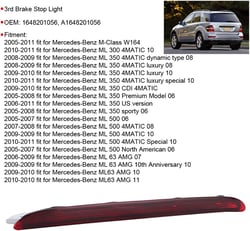
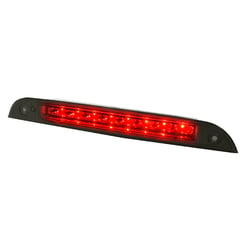
Spec-D LT-FOC00RBGLED-RS LED Third Brake Light for 2000-2004 Ford Focus 3-Door

Spec-D LT-F15004RBGLED-KS Smoke LED 3rd Brake Light for 2004-2008 Ford F-150
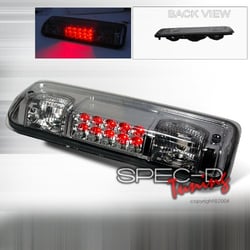

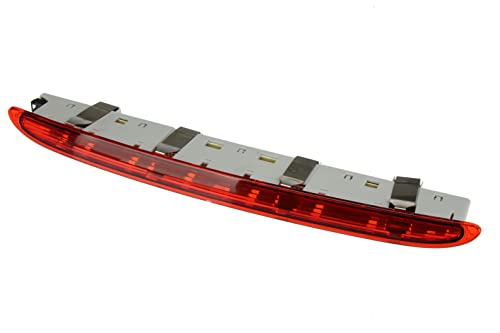 Representative Photo, actual item may vary
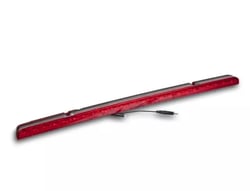
Genuine Porsche 993-631-060-00 Third Brake Light Assembly for 993 Coupe and Cabriolet

Spec-D LT-GR8622RBJMLED-TM Full LED 4th Brake Light Jet Black Housing Clear Lens
What Are Brake Lights and Why Do They Matter?
Brake lights — also called stop lamps — are one of the most fundamental safety features on any vehicle. Located at the rear, these red lights activate the instant you press the brake pedal, alerting drivers behind you that your vehicle is slowing down or coming to a stop. Without properly functioning brake lights, the risk of a rear-end collision increases dramatically, making this one of the most critical maintenance items on your car, truck, or SUV.
Modern vehicles typically feature two outboard brake lights integrated into the rear light clusters, plus a federally mandated Center High-Mount Stop Lamp (CHMSL), commonly called the third brake light. In 1986, the National Highway Traffic Safety Administration (NHTSA) began requiring a third brake light on all new passenger cars, extending that requirement to light trucks in 1994 — a change credited with significantly reducing rear-end crashes each year.
How the Brake Light System Works
When you press the brake pedal, the brake light switch — mounted near the pedal under the dashboard — completes an electrical circuit that sends power from the vehicle's battery to the rear brake lamps. This seemingly simple chain of components — switch, wiring, fuse, socket, and bulb — must all work together flawlessly. A failure at any link, whether a burned-out bulb, corroded socket, blown fuse, or faulty switch, can result in a brake light that fails to illuminate when you need it most.
Types of Brake Light Components
This category covers the full spectrum of brake light parts you may need for a repair or upgrade:
- Brake Light Bulbs: The most commonly replaced item. Common sizes include the 3157, 1157, and 7443. Always verify the correct size using your owner's manual or a VIN-based fitment lookup before purchasing.
- LED Brake Light Bulbs: LED replacements offer faster illumination response, higher brightness, and significantly longer service life compared to traditional incandescent bulbs. Some newer LED models illuminate measurably faster than halogen bulbs — a difference that can matter at highway speeds. Keep in mind that CAN-bus compatibility should be verified for vehicles with electronic bulb-out monitoring systems.
- Complete Brake Light Assemblies: When the lens, housing, or internal components are cracked or damaged beyond a simple bulb swap, a full replacement assembly restores the factory look and function of your rear lighting system.
- Third Brake Light (CHMSL) Components: The center high-mount stop lamp is especially important because it sits directly in the following driver's line of sight, providing an additional, unobstructed brake signal even when side brake lights may be partially blocked by other vehicles.
- Brake Light Switches: The switch near the brake pedal is a critical but often overlooked component. Symptoms of a failing brake light switch include lights that won't illuminate, cruise control that stops working, or difficulty shifting out of park.
- Sockets, Pigtails & Connectors: Corroded or damaged sockets and wiring connectors are a common cause of brake light failure even when the bulb itself is fine. Replacing the socket or pigtail connector restores a clean electrical connection.
Key Considerations When Shopping for Brake Lights
Fitment is the most important factor when selecting any brake light component. Even bulbs of the same base type can vary in brightness output and electrical draw, so always match the part to your specific year, make, and model. When replacing a failed bulb, it is generally recommended to replace both sides simultaneously — mismatched bulbs (one LED and one halogen, for example) can produce noticeable brightness differences that may appear to other drivers as a partially failed light.
From a legal standpoint, brake lights must emit red light and meet DOT/FMVSS 108 standards. Driving with a non-functional brake light is not only dangerous but is also illegal in all U.S. states and can result in a traffic citation or a failed vehicle inspection. Regular inspections — including a quick walk-around while a helper presses the brake pedal — are a simple and effective way to catch problems early.
Whether you need a straightforward bulb replacement or a complete rear light assembly for your car, truck, or SUV, browse our full selection of brake light parts to find the right fit for your vehicle.