



Fuse
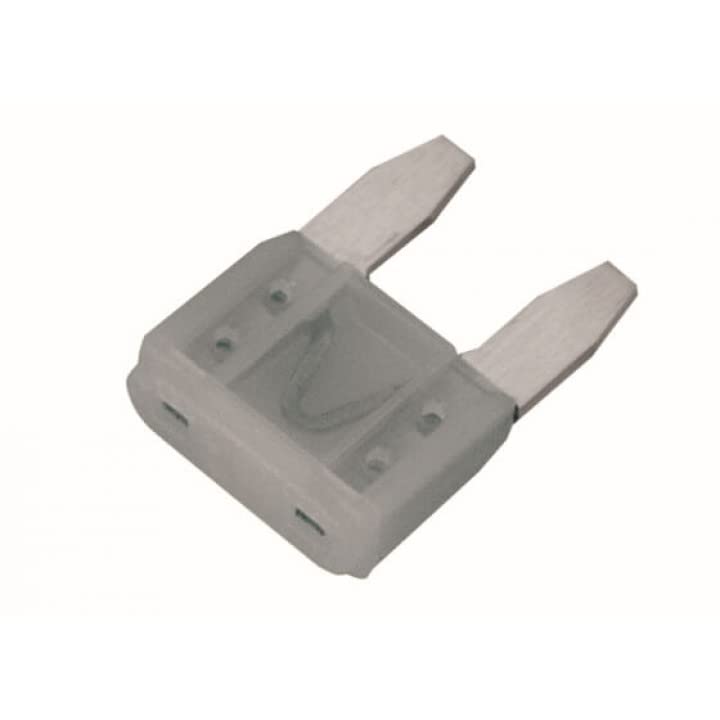 Representative Photo, actual item may vary

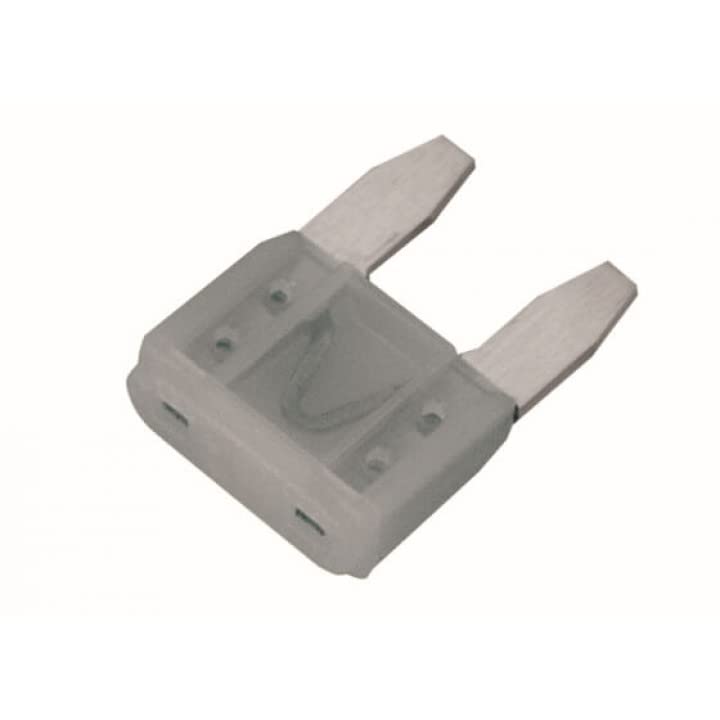 Representative Photo, actual item may vary


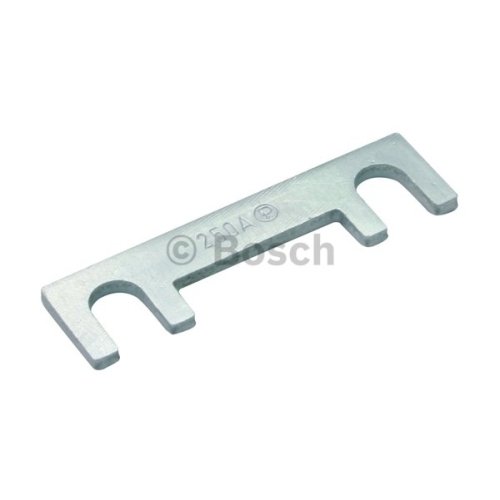 Representative Photo, actual item may vary


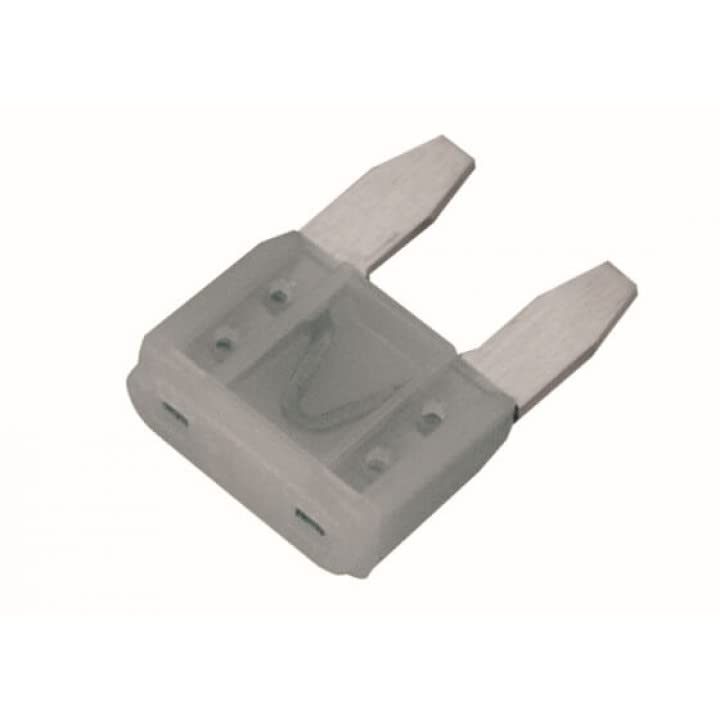 Representative Photo, actual item may vary
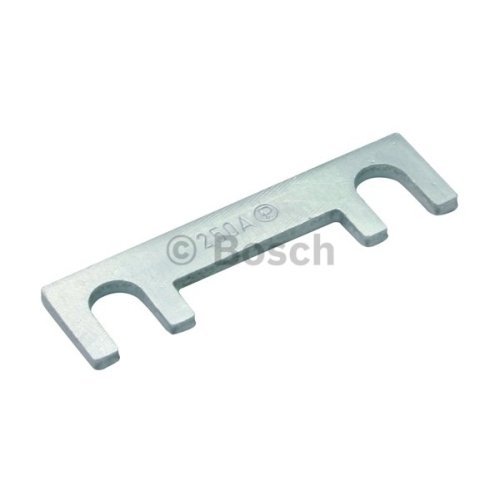 Representative Photo, actual item may vary

 Representative Photo, actual item may vary
 Representative Photo, actual item may vary
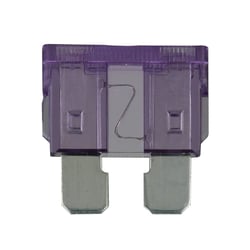
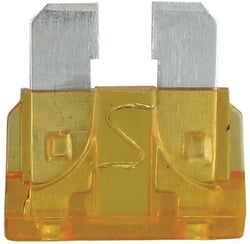
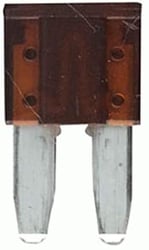
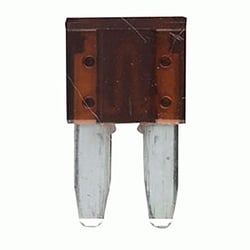
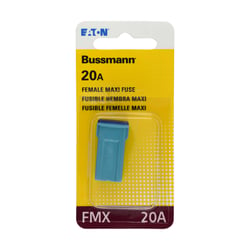
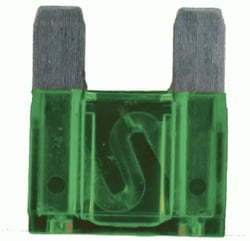
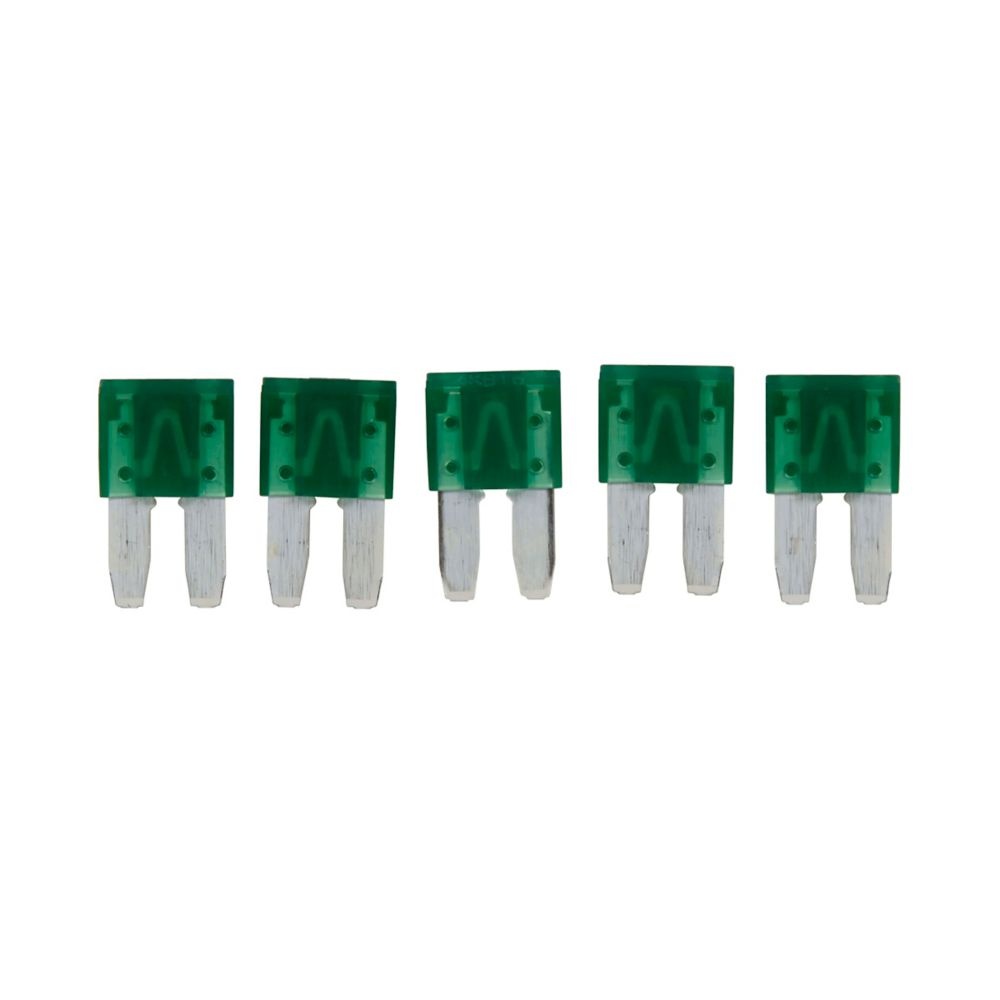 Representative Photo, actual item may vary
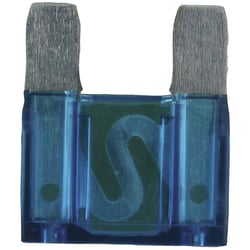
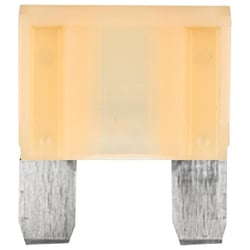
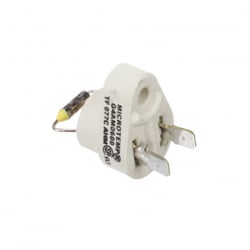
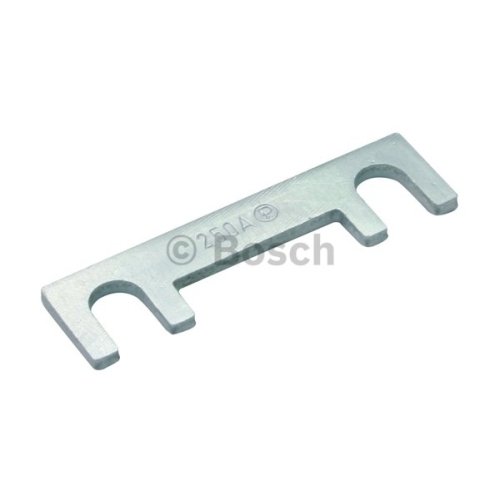 Representative Photo, actual item may vary

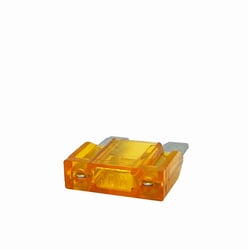

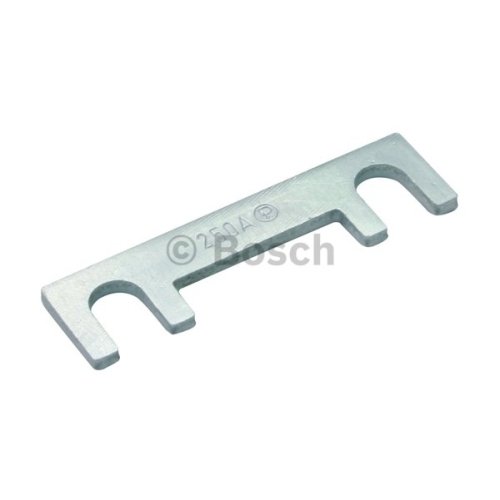 Representative Photo, actual item may vary
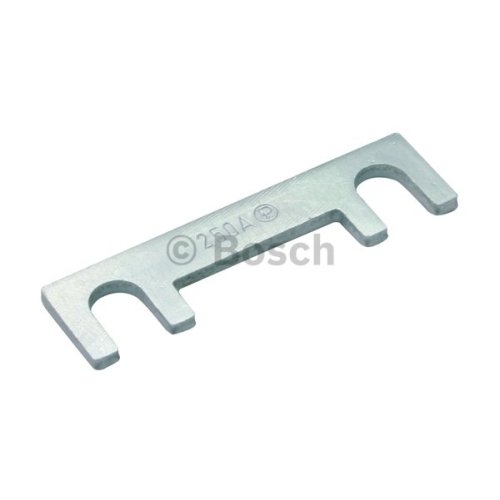 Representative Photo, actual item may vary


What Are Automotive Fuses and Why Do They Matter?
A fuse is one of the smallest — and most critical — components in your vehicle's electrical system. Tucked inside fuse boxes under the dashboard or hood, these inexpensive devices are your car's first line of defense against electrical overloads. When excess current flows through a circuit — whether from a short, a faulty accessory, or a wiring fault — the fuse element melts and breaks the circuit before heat or fire can damage expensive wiring harnesses, control modules, or other electronics.
Modern vehicles can have dozens of individual circuits, each protected by its own dedicated fuse. Engine management systems, headlights, power windows, audio systems, fuel pumps, and safety electronics all depend on properly rated fuses to function reliably. Installing the wrong amperage fuse — or worse, bypassing a blown fuse entirely — can lead to permanent electrical damage or even a vehicle fire. Understanding fuse types and ratings is essential for any repair, from a quick DIY fix to a full electrical build.
Types of Automotive Fuses
Not all fuses are created equal. The most common automotive fuse types include:
- ATO/ATC Blade Fuses – The standard full-size blade fuse used in the majority of passenger cars and light trucks since the 1970s. Color-coded by amperage for easy identification.
- Mini (APM/ATM) Blade Fuses – A smaller-profile version of the blade fuse, now standard in many modern vehicles where space in the fuse box is at a premium.
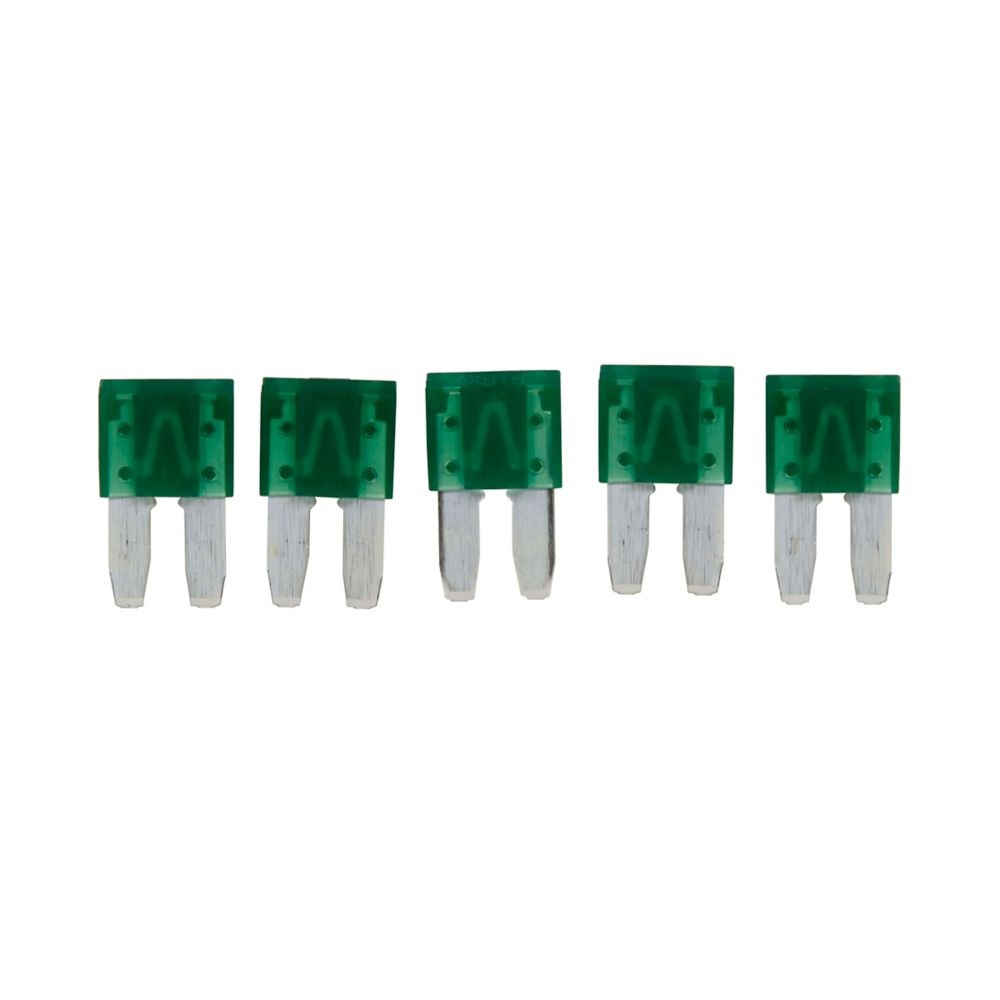
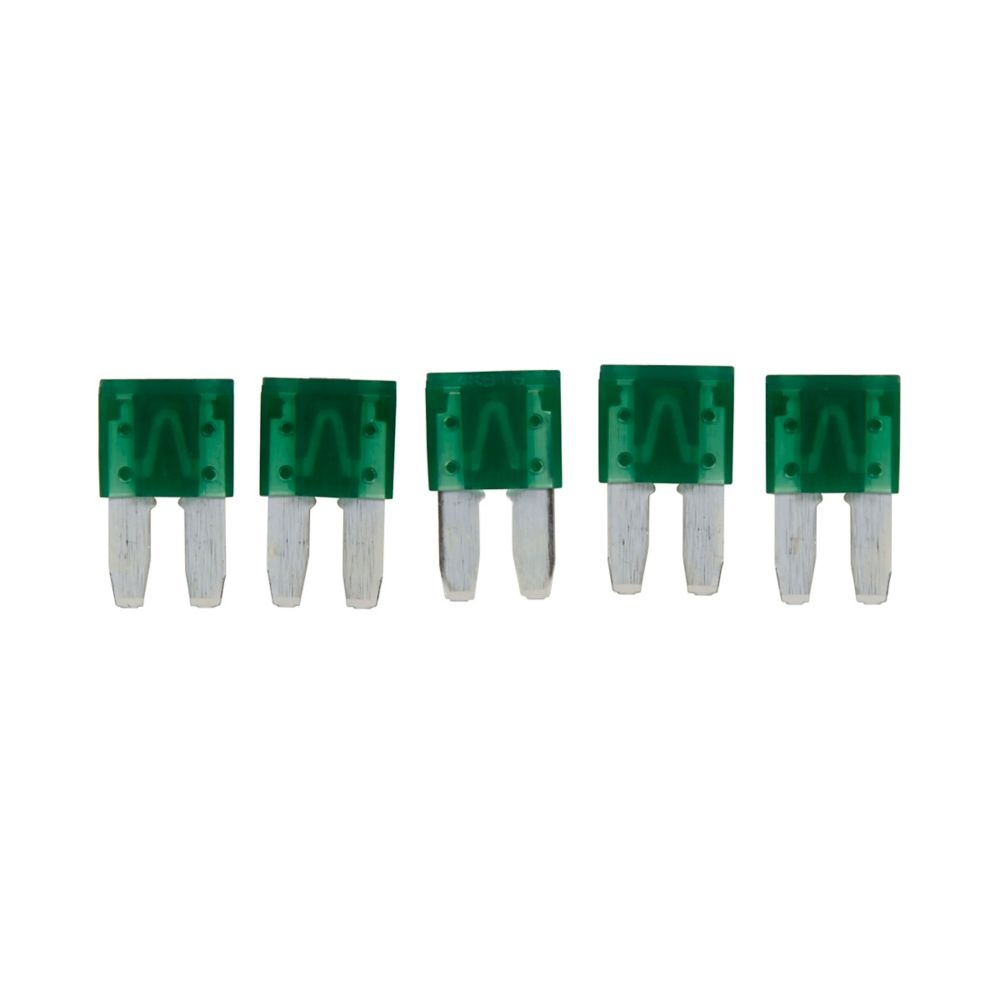
- Micro2 & Micro3 Fuses – Ultra-compact fuses for tightly packaged late-model fuse centers.
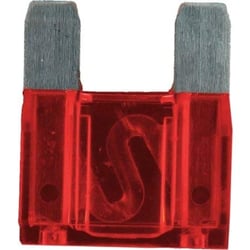
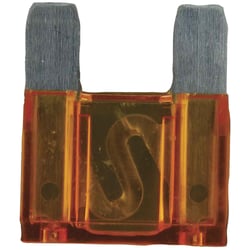
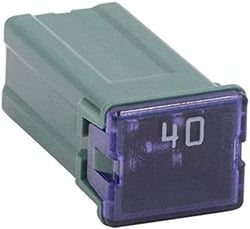
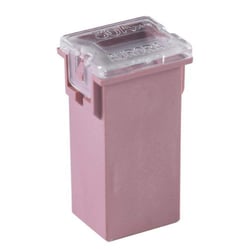
- MAXI / JCASE Fuses – High-current fuses used to protect main feed circuits, power distribution centers, and heavy accessories near the battery.
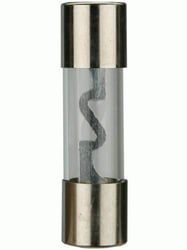
- Glass Tube Fuses – Older cylindrical fuses still found in classic vehicles and some marine or RV applications.
- MEGA & Stud-Mount Fuses – Very high-amperage fuses for protecting main battery cables and high-draw accessories like amplifiers and winches.
Key Considerations When Shopping for Fuses
Always replace a blown fuse with one of the exact same amperage rating as specified in your owner's manual or fuse box diagram. Using a higher-rated fuse removes the protective threshold and risks permanent wiring damage. Also confirm fuse type (blade style and physical size) to ensure proper fitment. For custom electrical builds or aftermarket accessory installations, calculate the expected circuit load and choose a fuse rated just above normal operating current.
Top Fuse Brands
Bussmann is the benchmark name in automotive circuit protection. Founded in 1914 in Missouri, the brand has a century-long heritage of fuse innovation , and today — as part of Eaton — it is one of the world's largest producers of circuit protection devices, offering over 41,000 fuse types spanning automotive, industrial, and electronic applications. Their easyID illuminating blade fuses use LED technology to show when a fuse has opened , making diagnosis quick even in a dark engine bay or dashboard.
Littelfuse is another foundational name in automotive fusing. The ATO® fuse was designed and patented by Littelfuse in 1976 and set the standard for automotive circuit protection. The company also pioneered the compact MINI® fuse format — its miniature design meets the need for more circuits to be protected while utilizing less space, and its ability to cope with high temperatures in adverse environments makes it a recommended choice for protection. Littelfuse is a diversified, industrial technology manufacturing company with a broad catalog that covers everything from standard blade fuses to MEGA and JCASE formats.
Bosch brings the same engineering precision it applies to fuel injection, ignition, and braking systems to its fuse lineup, making Bosch fuses a reliable OE-quality choice for European and domestic vehicles alike. Dometic rounds out the category with fuses engineered for the demanding electrical environments found in marine, RV, and off-grid power systems — where reliable circuit protection is especially critical.