



Differential Seal
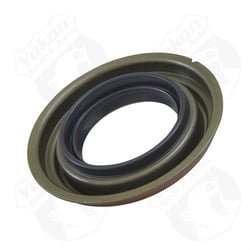
Yukon Gear & Axle YMSG1031 Rear Wheel Seal for GM 11.5" Axle


Yukon Gear & Axle YMSC1026 Right Hand Axle Seal for Dodge Ram 1500 Front Differential
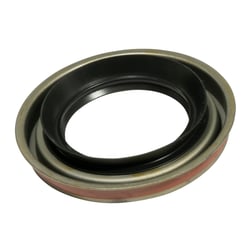
Yukon Gear & Axle YMSC1030 Pinion Seal for Dana 44 210mm Front Differential
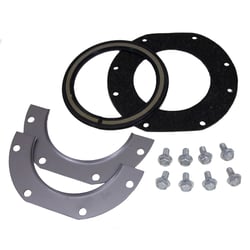
Yukon Gear & Axle YP WK-001 Differential Wiper Seal Kit for Dana 25/27/30/44
 Representative Photo, actual item may vary



 Representative Photo, actual item may vary

 Representative Photo, actual item may vary

 Representative Photo, actual item may vary
 Representative Photo, actual item may vary
What Is a Differential Seal and Why Does It Matter?
Tucked deep inside your vehicle's driveline, the differential is the housing responsible for distributing engine power to the drive wheels — allowing each wheel to rotate at a different speed through corners. To do its job, the differential relies on a constant supply of heavy gear oil to lubricate its ring and pinion gears and manage the intense heat generated during operation. That's where differential seals come in.
Differential seals are precision-fit rubber or elastomeric components that press tightly against the rotating input and output shafts of the differential housing. Their primary job is twofold: they keep gear oil inside the differential where it belongs, and they block road contaminants — dirt, water, and debris — from entering the housing and acting like an abrasive on precision metal surfaces. Without a functioning seal, gear oil slowly escapes, the differential runs hotter, and internal bearings and gears accelerate toward premature failure.
Types of Differential Seals
There are several seal positions found on a typical differential:
- Pinion Seal: Located at the front of the differential where the driveshaft yoke meets the pinion shaft, this is the most commonly replaced differential seal and is a frequent source of gear oil leaks.
- Axle Shaft Seal: Positioned at the inboard end of each axle shaft where it enters the differential housing, this seal prevents fluid loss around the spinning axle.
- Output Shaft Seal: Found on independent rear suspension and all-wheel-drive differentials, output shaft seals keep oil contained where the CV axle half-shafts exit the differential case.
Signs Your Differential Seal Needs Replacement
Differential seals are made from elastomeric compounds designed to flex under rotation and temperature cycling — but over time, the rubber hardens, loses its pliability, and can crack or shrink away from the shaft surface. Cold weather accelerates this brittleness, while heat and chemical exposure from gear oil gradually degrade the material. Most seal leaks develop after significant mileage or many years of service, often showing up as an oil spot on the driveway beneath the rear axle or a burning oil smell when gear oil contacts hot exhaust components. Catching and replacing a failing seal early is one of the most cost-effective driveline maintenance tasks a vehicle owner can perform.
Top Differential Seal Brands
Timken Bearings is one of the most respected names in the driveline sealing and bearing industry, with a heritage stretching back over a century. Timken offers both individual replacement seals and comprehensive differential bearing-and-seal kits designed to restore complete driveline integrity in a single service. Their seals are engineered to OEM specifications and manufactured with premium materials — unsurprising from a company that produces its own high-alloy steel.
SKF brings its globally recognized expertise in bearing and sealing technology directly to the differential. SKF's radial lip shaft seals are engineered to retain fluid and exclude contamination across a wide range of differential, transfer case, and transmission applications, and are designed to perform reliably even in demanding operating conditions including significant shaft misalignment.
Genuine BMW differential seals are the factory-spec choice for BMW owners who prioritize exact OEM fitment. When working on BMW differentials — whether on a 3 Series, 5 Series, or X-model — a genuine OEM seal ensures the original engineering tolerances are preserved without compromise.
What to Consider When Shopping for a Differential Seal
Correct fitment is everything with differential seals — even small differences in inside diameter, outside diameter, or cross-sectional thickness can result in leaks or installation difficulty. Always verify fitment by year, make, model, and drivetrain configuration before ordering. For a comprehensive driveline service, consider pairing a new seal with fresh gear oil and, where applicable, a complete bearing-and-seal kit to address all potential leak points at once.