





 Representative Photo, actual item may vary

 Representative Photo, actual item may vary



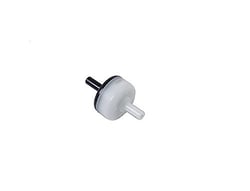
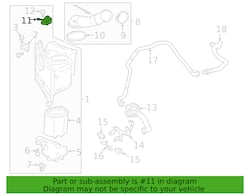
Genuine Mercedes 1238000078 Vacuum Check Valve HVAC Climate Control

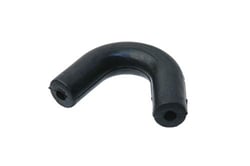

 Representative Photo, actual item may vary
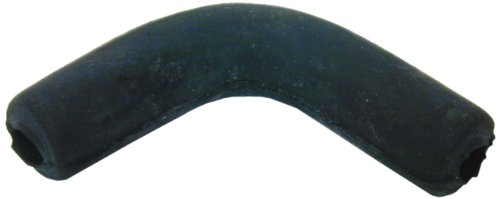 Representative Photo, actual item may vary
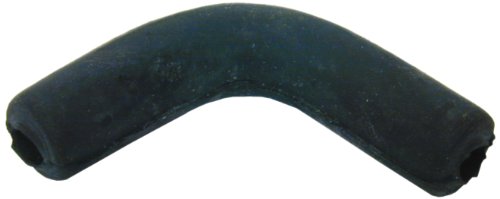 Representative Photo, actual item may vary

 Representative Photo, actual item may vary


 Representative Photo, actual item may vary
 Representative Photo, actual item may vary

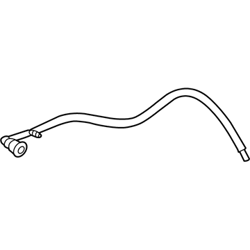
Hella 7.28098.16.0 Electronic Air Intake Changeover Valve Switchover Valve

 Representative Photo, actual item may vary
 Representative Photo, actual item may vary

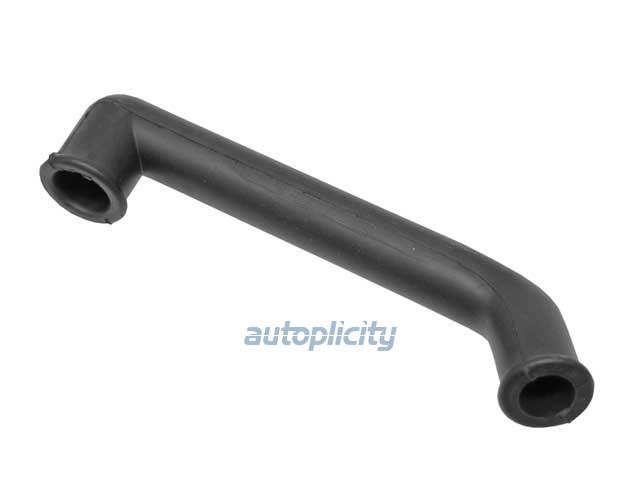
URO 642-230-01-65 64 Mechanical Vacuum Pump Rotary Vane Diesel Brake Booster Pump

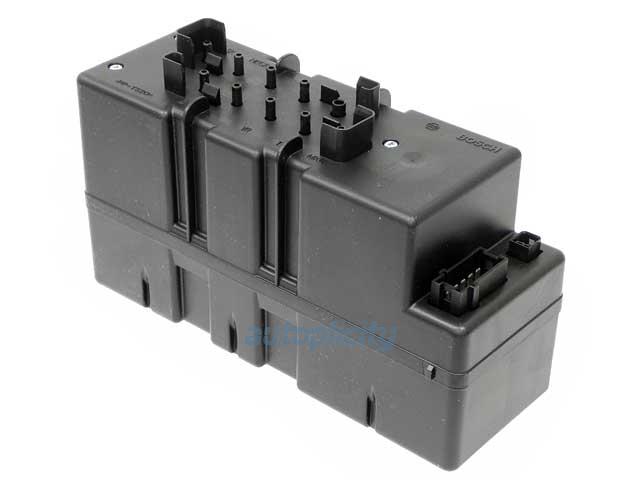 Representative Photo, actual item may vary
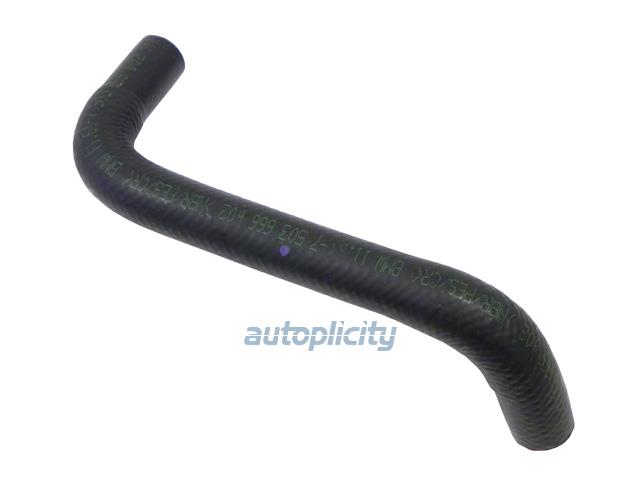 Representative Photo, actual item may vary
Genuine BMW 11-61-1-438-809 Vacuum Hose Intake Manifold to Vacuum Valve


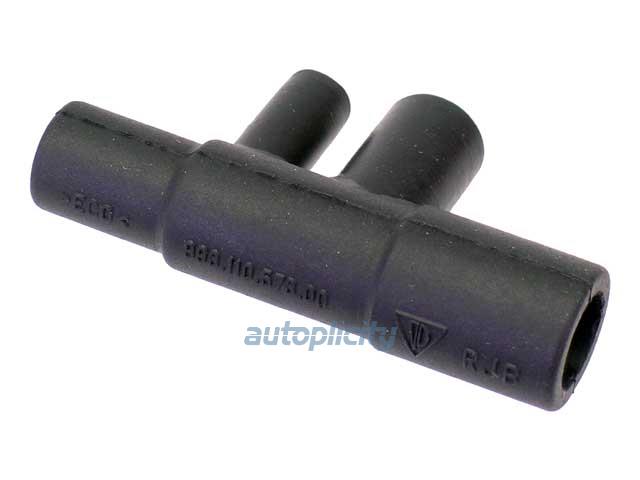 Representative Photo, actual item may vary
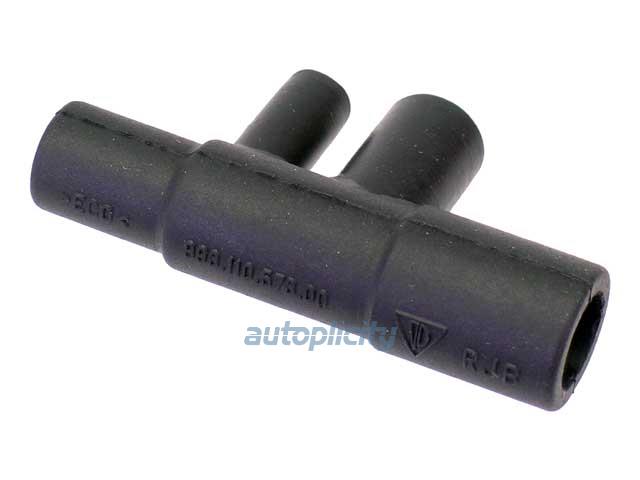 Representative Photo, actual item may vary
Genuine Porsche 928-573-727-05 Vacuum Line Y-Connector 3-Way Fitting 5mm

Genuine Mercedes 202-805-03-44 Vacuum Hose Connector Straight Plug
 Representative Photo, actual item may vary
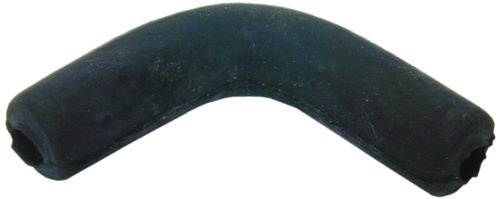 Representative Photo, actual item may vary

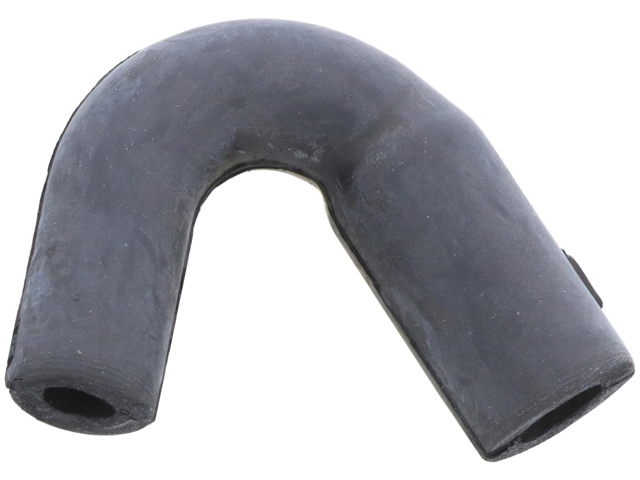 Representative Photo, actual item may vary
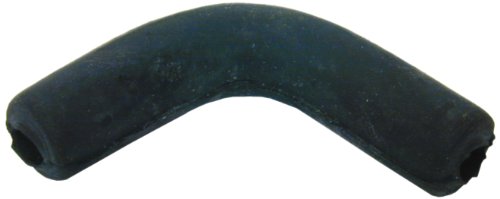 Representative Photo, actual item may vary

URO 058-133-784 A Vacuum Hose 3-Way Intake Manifold to Check Valve to Solenoid

Genuine Mercedes 601-078-02-45 Vacuum Hose Connector Y-Connection 3.5mm


Genuine BMW 11-65-7-803-732 Vacuum Hose Cloth Braided 1 Meter

Genuine BMW 16-13-1-184-235 EVAP Canister Shut-Off Valve

Genuine Mercedes 202-805-02-44 64 Vacuum Hose Connector - 64
 Representative Photo, actual item may vary

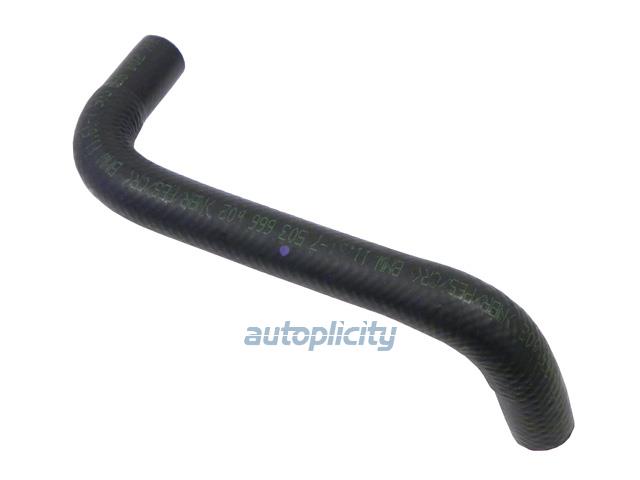 Representative Photo, actual item may vary

Genuine BMW 11-61-7-503-666 Vacuum Hose OEM Replacement

Genuine BMW 11-61-1-312-762 Secondary Air Injection Vacuum Control Container

HPS Performance Products HTSVH8-CLEAR 5/16" ID High Temperature Silicone Vacuum Hose Tubing, Clear


HPS Performance Products HTSVH10-BLKx5 10mm Silicone Vacuum Hose 5 Foot Roll Black
HPS Performance Products HTSVH10-CLEAR 10mm High Temperature Silicone Vacuum Hose Tubing Clear

HPS Performance Products HTSVH127-BLUEx5 Silicone Vacuum Hose 1/2" ID 5 Foot Roll Blue
HPS Performance Products HTSVH35-CLEAR 3.5mm Silicone Vacuum Hose Tubing Clear


Genuine Porsche 951-110-219-01 Idle Control Valve to Y-Pipe Connection Hose

Genuine Porsche 993-110-573-00 Vacuum Line Distribution Fitting

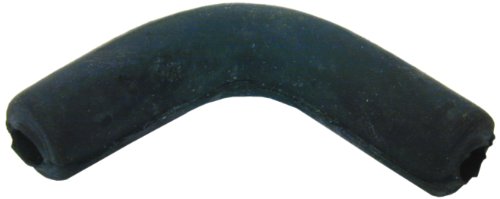 Representative Photo, actual item may vary
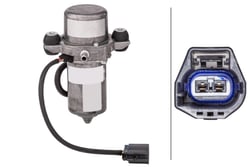
Hella 358157041 UP30 Electric Vacuum Pump for Brake Booster Systems


 Representative Photo, actual item may vary

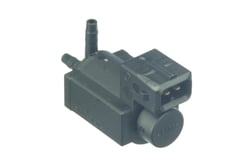
Understanding Your Vehicle's Vacuum System
Few systems in a modern vehicle work as quietly — or as hard — as the vacuum system. Engine vacuum is not an added feature; it is a natural byproduct of how a gasoline engine breathes. As pistons draw air past a partially closed throttle plate, they create a pressure differential — a partial vacuum — that is then routed through a network of hoses, valves, pumps, and reservoirs to power critical vehicle functions. Turbocharged, diesel, and high-performance engines that cannot generate sufficient manifold vacuum rely on dedicated vacuum pumps to supplement or replace what the intake manifold would otherwise provide.
That negative pressure does far more than most drivers realize. Brake boosters use vacuum to multiply pedal force for safe, confident stopping. HVAC blend doors and controls depend on vacuum actuators to direct airflow through the cabin. Emission control components — including EGR systems and evaporative canisters — rely on vacuum signals to open and close at precisely the right moment. Even cruise control, turbo wastegates, and four-wheel-drive engagement systems can be vacuum-operated depending on the platform.
Because vacuum system components are exposed to intense heat cycles, engine vibration, and oil and fuel vapor contamination, they degrade over time. Cracked hoses, collapsed reservoirs, worn pump diaphragms, and stuck regulator valves are among the most common culprits behind rough idling, poor fuel economy, sluggish brake response, failed emissions tests, and erratic HVAC behavior. A small leak anywhere in the network can cascade into symptoms that seem unrelated to the vacuum system at first glance.
Key Vacuum System Components
- Vacuum Pumps — Mechanically or electrically driven pumps that generate the vacuum needed to operate brake boosters and other accessories on engines that lack sufficient manifold vacuum.
- Diverter Valves — Solenoid or vacuum-operated valves that redirect airflow within the intake or boost system, commonly found on turbocharged engines.
- Vacuum Hose — The flexible or rigid lines that route vacuum signals from the source to actuators, sensors, and control valves throughout the engine bay.
- Vacuum Reservoirs — Storage canisters that accumulate and hold vacuum so that systems like brake boosters have a ready supply even during periods of low engine vacuum.
- Vacuum Regulator Valves — Precision valves that modulate and maintain correct vacuum levels to downstream components, ensuring consistent system performance.
Top Brands for Vacuum System Parts
Dorman is one of the most comprehensive aftermarket sources for vacuum system hardware, offering an extensive lineup of fittings, connectors, caps, reservoirs, and tubing in a wide range of configurations and materials engineered for long service life in demanding underhood environments.
Motorcraft is Ford's factory parts brand, and its vacuum pumps and valves are the go-to choice for owners of Ford and Lincoln vehicles — providing OE-specification fit and performance across a broad range of EcoBoost, diesel Powerstroke, and naturally aspirated platforms.
Pierburg is a German-engineered brand with deep roots in fuel and air management systems, widely respected for high-quality vacuum pumps used across European and domestic vehicle applications where precision engineering is essential.
Standard Motor Products brings decades of experience in engine management and emission controls to the vacuum category, supplying regulators, solenoids, and valves engineered to OE specifications for a broad range of domestic and import vehicles.
Genuine parts cover vehicle-specific vacuum components sourced to original equipment standards, making them a reliable choice when exact fitment and material specifications are required for a particular make or model.
What to Look for When Shopping Vacuum System Parts
Material quality and fitment precision matter most when replacing vacuum components. Look for hoses and fittings constructed from heat-resistant materials capable of handling the temperature extremes of the engine bay. Valves and regulators should match OE vacuum ratings for your specific application — an incorrect cracking pressure or flow rate can undermine the very systems the vacuum network is meant to support. When possible, reference your vehicle's OEM specifications and choose parts with documented fitment for your year, make, and model.