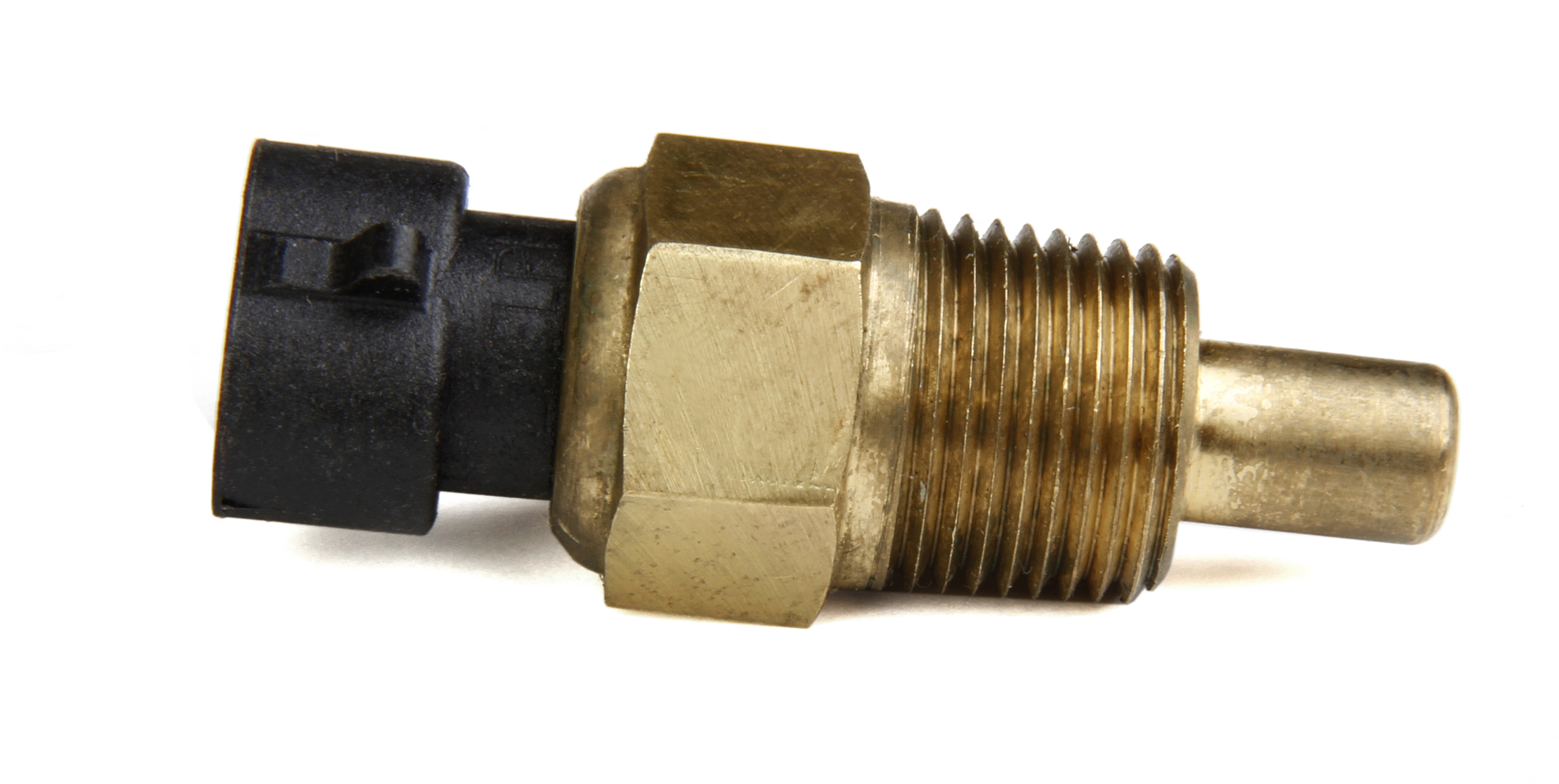
Engine Coolant Temperature Sensor
Mishimoto MMFAN-SWITCH Thermoswitch Fan Switch 80°C/176°F
AutoMeter 5251 Type K Thermocouple Pyrometer Probe 3/16" Closed Tip
AutoMeter 2259 Temperature Sensor 1/8 NPT Brass Short Sweep Electric
AutoMeter 2385 Temperature Sensor 1/8 NPT Replacement for AutoGage Gauges
URO 06A919501A Water Temperature Sender 2-Pin Coolant Sensor
What Is an Engine Coolant Temperature Sensor?
The engine coolant temperature sensor — commonly abbreviated as ECT sensor or CTS — is one of the most critical input devices in a modern vehicle's engine management system. Its job sounds simple: measure the temperature of the coolant flowing through the engine and report that data to the vehicle's computer. But the downstream effects of that single reading touch nearly every aspect of how your engine runs.
At a fundamental level, the ECT sensor is a thermistor — an electrical resistor whose resistance changes with temperature. Most modern vehicles use a Negative Temperature Coefficient (NTC) thermistor, meaning electrical resistance decreases as temperature increases. The powertrain control module (PCM) supplies a reference voltage — typically 5 volts — and continuously monitors the return signal from the sensor. From that changing voltage, the PCM calculates real-time coolant temperature and adjusts engine operation accordingly.
Why the ECT Sensor Matters for Engine Performance
The ECT sensor's signal influences far more than just the temperature gauge on your dashboard. The engine control module relies on coolant temperature data to perform several key functions:
- Fuel mixture adjustment: When the engine is cold, the ECM enriches the air-fuel mixture to help the engine run smoothly during warm-up. As coolant temperature rises, the mixture is leaned out for efficiency.
- Ignition timing: The PCM adjusts ignition advance based on engine temperature to optimize combustion at all operating conditions.
- Cooling fan control: On vehicles with electric radiator fans, the ECT sensor triggers the fans when coolant temperature reaches a preset threshold — a critical safeguard against overheating.
- Closed-loop fuel control: The ECM uses the ECT sensor's signal, along with oxygen sensor data, to determine when the engine is warm enough to enter closed-loop feedback fuel control for maximum efficiency.
- Cold-start enrichment: The signal from the coolant temperature sensor tells the engine's computer when to apply extra fuel during cold starts, preventing hesitation and stalling.
Symptoms of a Failing ECT Sensor
Because the ECT sensor's data feeds so many engine management functions, a faulty sensor can produce a wide and sometimes confusing range of symptoms. The most common signs of a bad coolant temperature sensor include poor fuel economy, cooling fans that fail to turn on, rough engine idle, engine overheating, and a check engine light appearing on the dashboard. Trouble codes such as P0116, P0117, and P0118 are commonly associated with ECT sensor circuit faults.
A failing sensor often sends a permanently cold signal, causing the PCM to continuously enrich the fuel mixture — even when the engine is fully warmed up. This leads to wasted fuel, increased emissions, and in severe cases, unburned fuel washing down cylinder walls. Conversely, a sensor stuck reading hot can cause the engine to run lean or trigger unnecessary cooling fan operation. In worst-case scenarios, a malfunctioning ECT sensor may fail to alert the driver or the PCM that the engine is dangerously overheating, risking severe engine damage.
Common failure causes include normal wear from continuous heat cycling, coolant contamination degrading the sensor's internal components, corrosion at the sensor terminals or connector, and wiring harness damage.
Shopping for the Right ECT Sensor
When selecting a replacement engine coolant temperature sensor, fit and accuracy are paramount. The sensor must be compatible with your specific vehicle's make, model, year, and engine configuration. Consider these key factors:
- OEM vs. aftermarket: OEM-spec sensors are engineered to meet precise resistance and voltage curves for your vehicle's PCM. Quality aftermarket options can offer equivalent performance at a lower cost — but always verify fit and specifications before purchasing.
- Connector type and thread pitch: ECT sensors vary in connector style and thread pitch. An incorrect sensor won't seat properly and may cause coolant leaks or inaccurate readings.
- Single or dual sensor systems: Some vehicles use more than one coolant temperature sensor — one reporting to the PCM for engine management and another driving the dashboard gauge. Make sure you're replacing the correct one for your application.
- Sensor location: ECT sensors are typically mounted in the engine block or cylinder head, near the thermostat housing or wherever coolant flow is most direct. Consult a service manual or vehicle-specific repair guide to confirm the exact location on your application.
With over 700 engine coolant temperature sensor options available, finding the right fit for virtually any vehicle is straightforward. Whether you're diagnosing a check engine light, addressing poor fuel economy, or performing a preventive cooling system refresh, replacing a worn ECT sensor is one of the most cost-effective engine maintenance repairs available.