



Engine Coolant Hose Connector Gasket
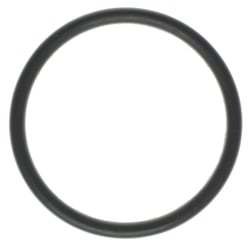

Cometic C15159 Coolant Crossover Gasket Ford Triton Boss Power Stroke - 5.4L 6.8L 6.2L 6.4L


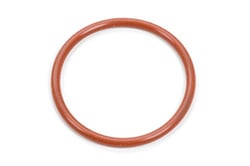
Cometic C15158 Ford Coolant Crossover Gasket 5.4L 6.8L Triton 6.2L Boss 6.4L Power Stroke
What Is an Engine Coolant Hose Connector Gasket?
The engine coolant hose connector gasket is a small but critical sealing component that sits between a coolant hose connector — also called a coolant pipe or tube fitting — and the mating surface it attaches to, whether that's the engine block, cylinder head, thermostat housing, or water outlet. Its job is deceptively simple: keep pressurized engine coolant flowing exactly where it should, and nowhere else.
Without a properly functioning gasket at each coolant hose connector junction, coolant can seep past the connection point. Even a slow leak places the entire cooling system at risk. Low coolant levels lead to rising engine temperatures, and prolonged overheating is one of the most destructive conditions a gasoline or diesel engine can experience — it can warp cylinder heads, damage head gaskets, and in severe cases cause irreparable engine failure.
Why This Gasket Matters More Than Its Size Suggests
Modern engines run hotter and at higher cooling system pressures than ever before, demanding tighter tolerances from every sealing surface. Coolant hose connector gaskets are typically made from materials engineered to resist heat cycling, coolant chemistry, and mechanical vibration simultaneously. Common materials include multi-layer fiber composites, silicone, and specialized elastomers — each chosen to maintain a reliable seal across thousands of heat-and-cool cycles over the vehicle's service life.
These gaskets also serve as a buffer between dissimilar metals. Many modern vehicles use aluminum housings mated to cast iron blocks or steel fittings. Without a proper gasket, galvanic corrosion and uneven thermal expansion can cause connector flanges to warp or pit over time, making future sealing even more difficult. Replacing the gasket during any cooling system service — thermostat replacement, water pump service, or coolant hose renewal — is considered best practice by professional technicians.
Signs Your Coolant Hose Connector Gasket Needs Replacement
- Visible coolant residue or white mineral deposits around a hose connector fitting
- Sweet smell coming from the engine bay, especially after the engine warms up
- Gradual drop in coolant reservoir level with no obvious external leak source
- Engine temperature gauge creeping higher than normal
- Steam or mist visible near hose connection points after a cold start
Choosing the Right Gasket
Fit is everything with coolant connector gaskets. Always match the gasket to the exact application by year, make, model, and engine displacement. Even a small mismatch in inner diameter or bolt-hole spacing can result in an incomplete seal or improper clamping load. When in doubt, cross-reference the OE part number from your vehicle's service documentation to confirm compatibility.
Top Brands in Engine Coolant Hose Connector Gaskets
When it comes to engine sealing components, few names carry more authority than Reinz. A brand under the Dana Incorporated umbrella, Reinz has been manufacturing gaskets and sealing solutions for over a century and is a genuine OEM supplier to major European and global automakers. Their coolant hose connector gaskets are engineered to meet or exceed original equipment specifications, offering professionals and enthusiasts alike a reliable, factory-quality repair solution.