



Starter Housing Gasket
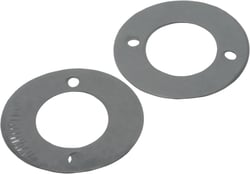

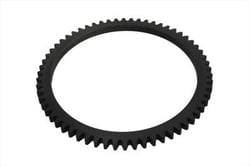

What Is a Starter Housing Gasket?
The starter housing gasket is a precision-engineered sealing component that sits between the starter motor housing and the engine block or bell housing. Its primary job is to create an airtight, oil-tight barrier at the interface where the starter mounts to the engine — a junction that is exposed to significant heat cycles, vibration, and the constant pressure of engine fluids.
While it may seem like a minor component, the starter housing gasket plays a critical role in the overall health of your starting system. Without a properly functioning gasket, oil or transmission fluid can seep into the starter assembly, contaminating the motor windings, solenoid contacts, and brushes. Even a small leak in this area can lead to premature starter failure, difficult cold-weather starts, or a complete no-start condition — leaving you stranded at the worst possible moment.
Signs Your Starter Housing Gasket Needs Replacement
Because the gasket operates in a hidden location beneath or alongside the engine, wear and failure often go unnoticed until damage has already occurred. Here are the key warning signs to watch for:
- Oil or fluid residue around the base of the starter motor or on the bell housing flange
- Starter sluggishness or slow cranking, particularly after the engine has warmed up
- Visible oil saturation on the starter body, wiring harness, or surrounding components
- Burning smell near the starter when oil contacts hot motor surfaces
- Intermittent no-start conditions that worsen over time
If you notice any of these symptoms, inspecting and replacing the starter housing gasket promptly can save you from a much costlier starter motor replacement down the road.
What to Look for When Shopping Starter Housing Gaskets
Not all gaskets are created equal. When selecting a replacement starter housing gasket, consider the following factors:
- Material composition: High-quality gaskets are typically made from multi-layer steel (MLS), composite fiber, or rubber-coated materials designed to withstand heat and resist oil degradation.
- OEM vs. aftermarket fit: An OEM or OEM-equivalent gasket ensures the correct thickness, bolt hole alignment, and sealing surface profile for your specific engine.
- Vehicle-specific compatibility: Always verify the gasket is designed for your exact year, make, model, and engine code to guarantee a proper seal on the first install.
- Torque specifications: Even a perfect gasket will fail prematurely if installed without following the manufacturer's torque specs for the mounting hardware.
Trusted Brands in Starter Housing Gaskets
When it comes to critical sealing components, sourcing from a reputable manufacturer makes all the difference. Genuine parts are produced to original equipment manufacturer (OEM) standards, meaning they are engineered to the exact specifications your vehicle was built with. Choosing a Genuine OEM starter housing gasket eliminates the guesswork around fitment and material quality, offering the same reliable seal as what came from the factory.
Whether you are performing a routine starter service or diagnosing an oil leak around your starting system, replacing a worn starter housing gasket is a straightforward repair that restores the integrity of one of your vehicle's most important electrical systems.