



Seat Belt Shoulder Belt

Simpson Racing Equipment 29025BK Quarter Midget 5-Point Latch & Link Racing Harness - Black

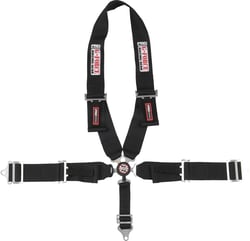



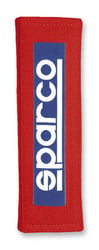

G-Force Racing 109L 1/2 Inch Seat Belt Eye Bolt Kit with Nut and Washer 50mm Long


Simpson Racing Equipment 29112BK Lever Camlock 5-Point Racing Harness 55" Wrap Around Pull Down Black
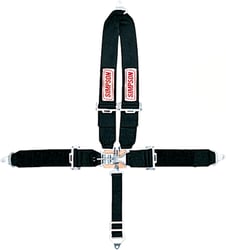
Simpson Racing Equipment 29065BK 5-Point Racing Harness 55" Pull Down Latch & Link Black

Simpson Racing Equipment 29102BK Lever Camlock 5-Point Racing Harness 62" Pull Up Floor Mount Black

Simpson Racing Equipment 31014BK Dual Anti-Submarine Belt Latch & Link Bolt-In Black

Simpson Racing Equipment 30004BK 3" Individual Racing Harness Bolt-In or Wrap Around Black



Simpson Racing Equipment 29063P 5-Point Latch & Link Platinum Racing Harness 55"
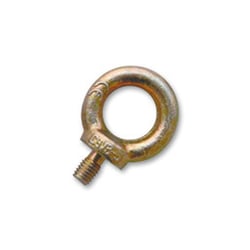


Simpson Racing Equipment 31022 Bolt-In Restraint Mounting Brackets Steel Floor Mount Pair
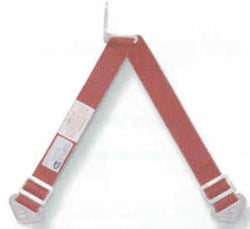
Simpson Racing Equipment 31014P Dual Anti-Submarine Belt Platinum Latch & Link 27 Inch

What Is a Seat Belt Shoulder Belt?
A seat belt shoulder belt is the upper restraint component of a vehicle safety harness system, working in tandem with lap belts and, in multi-point configurations, anti-submarine and crotch straps. In a racing context, the shoulder belt is critical — it prevents the upper body from pitching violently forward during a collision or sudden deceleration, distributing crash forces across the chest and shoulders rather than concentrating them at a single point.
While a standard street car uses a three-point belt that combines lap and shoulder restraint in one continuous strap, purpose-built racing shoulder belts are engineered as dedicated, independent components. This separation allows for precise routing angles, adjustable length, and compatibility with competition seats that feature harness pass-through slots. Most racing-spec shoulder belts are rated to either SFI 16.1 / 16.5 or FIA 8853/8863 standards, certifications that validate the webbing, hardware, and stitching under controlled load conditions.
Why Shoulder Belts Matter on the Track
A proper shoulder harness does more than keep a driver in the seat — it works as part of an integrated restraint system alongside the seat shell, HANS (Head and Neck Restraint) device, and roll cage. The shoulder belt routing angle relative to the driver's shoulder line is especially important: an incorrect angle can load the neck or collar bones rather than the stronger shoulder girdle, increasing injury risk. Most sanctioning bodies specify mounting height and angle requirements for exactly this reason.
Shoulder belts are typically available in 2-inch and 3-inch widths. Wider belts spread deceleration forces over a larger area, which is why 3-inch straps are common in high-speed oval and road racing applications, while 2-inch versions are popular in karting, off-road, and club-level competition where weight savings and reduced bulk matter.
Key Considerations When Shopping
- Certification: Verify that the harness meets the sanctioning body requirements for your series — SFI 16.1 for many domestic club events, FIA-approved for international or FIA-affiliated competition.
- Buckle type: Latch-and-link buckles are common in entry-level to mid-tier applications; camlock buckles allow faster single-handed release and are required by many professional series.
- Mounting style: Bolt-in, wrap-around, and snap-in configurations each suit different chassis and cage setups. Confirm compatibility before ordering.
- Expiration: SFI and FIA certifications carry expiration dates. A harness that has exceeded its rated service life is no longer legal for competition and should be replaced regardless of visual condition.
- HANS compatibility: FHR (Frontal Head Restraint) use requires specific shoulder strap routing and hardware — look for "HANS compatible" or "FHR" designation on the product listing.
Top Brands in Seat Belt Shoulder Belts
Sparco is one of motorsport's most recognized Italian safety equipment manufacturers. Sparco's harness lineup ranges from street-friendly 3-point bolt-in systems to FIA-approved competition harnesses, with options spanning 4-, 5-, and 6-point configurations built with high-quality webbing and aluminum buckle hardware.
Simpson Racing Equipment is an American institution in motorsport safety with decades of heritage. Simpson offers an extensive catalog of shoulder harnesses spanning latch-and-link and camlock closures in 5-, 6-, and 7-point configurations, many carrying SFI 16.1 certification and designed for disciplines from NASCAR-style stock car racing to off-road desert competition.
Impact Racing covers a wide spectrum of drivers, from junior quarter-midget racers to NASCAR-level competitors. Impact Racing's harness systems include 5-, 6-, and 7-point options with both latch-and-link and camlock buckle styles, certified to SFI 16.1 and SFI 16.5 standards for a broad range of sanctioned series.
RCI Racing rounds out the lineup with solid, competition-proven restraint systems. RCI is a well-regarded name in circle track and drag racing safety, offering dependable harness solutions for racers who need reliable, certified restraint hardware without compromise.