



Self-Locking Nut
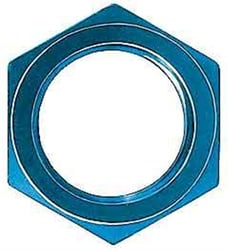




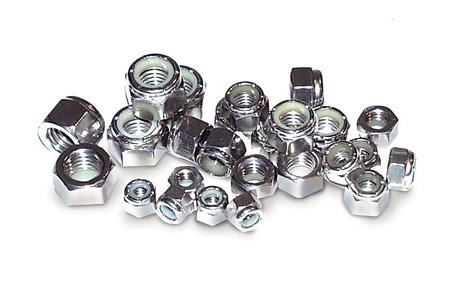 Representative Photo, actual item may vary
 Representative Photo, actual item may vary

 Representative Photo, actual item may vary

 Representative Photo, actual item may vary
What Are Self-Locking Nuts?
Self-locking nuts, also known as prevailing torque nuts or stiff nuts, are fasteners designed to maintain a secure threaded connection under vibration or movement. They are designed to resist loosening caused by vibration, shock, or dynamic loads, with an integrated locking feature that creates friction between mating threads to help maintain a secure joint. Unlike a standard hex nut that relies solely on clamping torque, a self-locking nut adds a secondary resistance mechanism — making it a go-to solution wherever a connection must stay tight over time.
How Do Self-Locking Nuts Work?
There are several design approaches that achieve the self-locking effect. One common method adds a nylon component that approaches the minimum diameter of the thread, using the compression of the nylon to induce torque via friction. Another approach collapses the barrel into a more elliptical shape to bind with the mating thread and increase friction. In prevailing torque designs, a feature of the lock nut produces friction between the threads of mated components, thereby increasing the force needed both to tighten and to loosen the nut. The result is a fastener that holds firm even under repeated stress cycles.
Where Are Self-Locking Nuts Used?
Self-locking nuts find use across an enormous range of environments, including automotive, marine, aerospace, construction equipment, racing, railroads, and high-vibration industrial applications. On boats, they are especially critical: marine nuts work with bolts to clamp components, and lock nut options are particularly recommended for vibration-prone areas such as engine mounts, outboard brackets, and trailer hardware where constant motion would quickly back out a standard nut.
What to Consider When Buying Self-Locking Nuts
Selecting the right self-locking nut requires attention to several factors:
- Material: Stainless steel (such as AISI 304 and AISI 316) is common, strong, and corrosion-resistant, with 316 offering superior resistance to chlorides found in seawater.
- Application environment: Application requirements — including vibration intensity, temperature, and environmental exposure — should drive your selection.
- Thread size and compatibility: Material compatibility ensures the nut matches the bolt and operating conditions, and the thread size and type must match the mating fastener to ensure proper engagement.
- Load rating: The nut must be capable of supporting the required load for the application.
In marine settings especially, it pays to choose nuts rated for saltwater exposure. Applying an anti-seize compound on stainless-to-stainless threads helps mitigate galling — a common issue when stainless hardware is assembled under torque.
Top Brands for Self-Locking Nuts
Seachoice is the leading brand in this category, bringing decades of marine hardware expertise to its self-locking nut lineup. Seachoice is committed to delivering quality marine accessories and OEM replacement parts to satisfy fishing, boating, and watersports enthusiasts worldwide. Run for and by boaters, Seachoice offers a wide-ranging product line while remaining affordable — making their self-locking nuts a practical choice for everything from routine trailer maintenance to full vessel hardware installations.