



 Compressor Parts & Crankcase Heaters
24
 A/C & Refrigeration Parts & Accessories
8
 Heat Pump Reversing Valves & Defrost Parts
7
 Drain Pans & Condensate Pumps
6
 A/C Expansion Valves (TXV)
2
 Air Filters & Exhaust Fan Parts
2
 Evaporator & Condenser Coils
1
 Hermetic & Reciprocating Compressors
1
 Refrigeration Service & Check Valves
1




 Representative Photo, actual item may vary
 Representative Photo, actual item may vary
 Representative Photo, actual item may vary
 Representative Photo, actual item may vary
ARB 080802SP Seal Housing Kit with O-Rings for Air Compressor Gaskets & Seals
 Representative Photo, actual item may vary
 Representative Photo, actual item may vary
 Representative Photo, actual item may vary
 Representative Photo, actual item may vary
 Representative Photo, actual item may vary
 Representative Photo, actual item may vary
 Representative Photo, actual item may vary
 Representative Photo, actual item may vary
 Representative Photo, actual item may vary

 Representative Photo, actual item may vary
 Representative Photo, actual item may vary
ARB 080903SP Seal Housing Kit with O-Rings for Air Compressor Gaskets & Seals
 Representative Photo, actual item may vary
 Representative Photo, actual item may vary



 Representative Photo, actual item may vary
 Representative Photo, actual item may vary
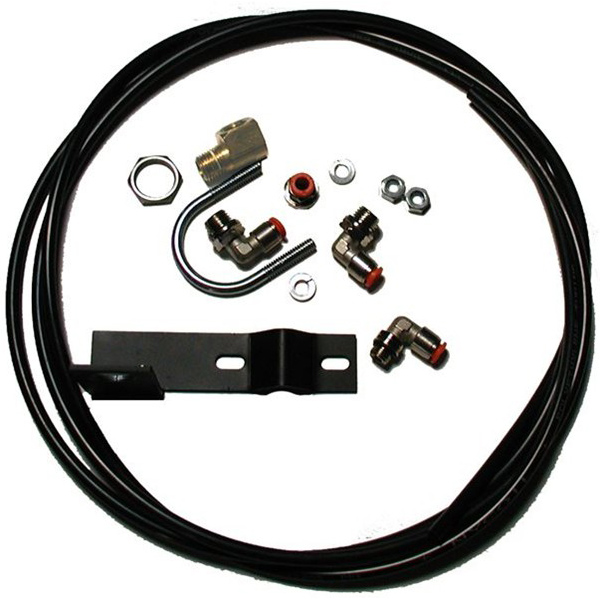
Eastwood Company 32215 Replacement Motor Controller for Elite QST 30/60 Compressor


 Representative Photo, actual item may vary
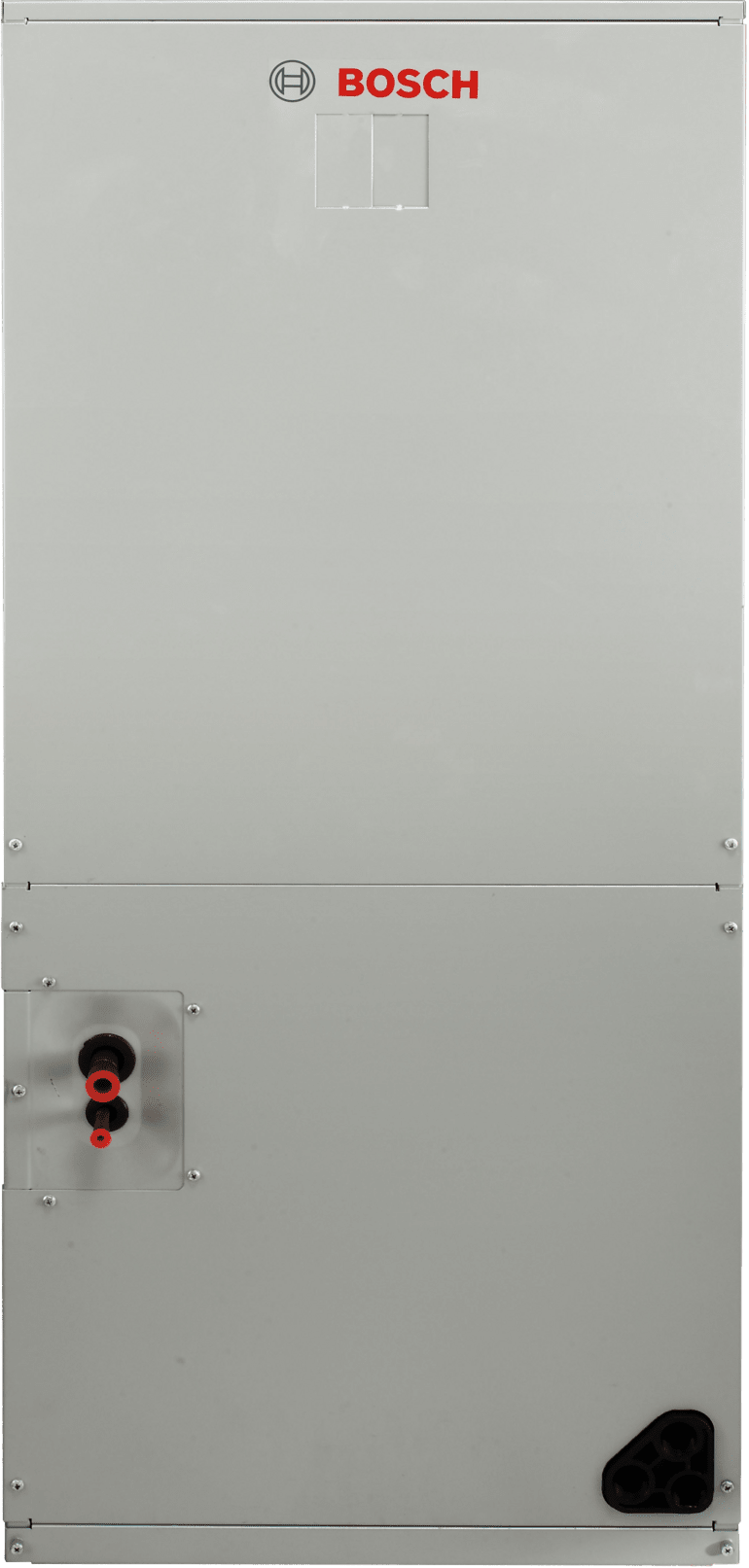
Bosch 8733956454 Electronic Control Box Subassembly for HVAC Heat Pump Systems
 Representative Photo, actual item may vary
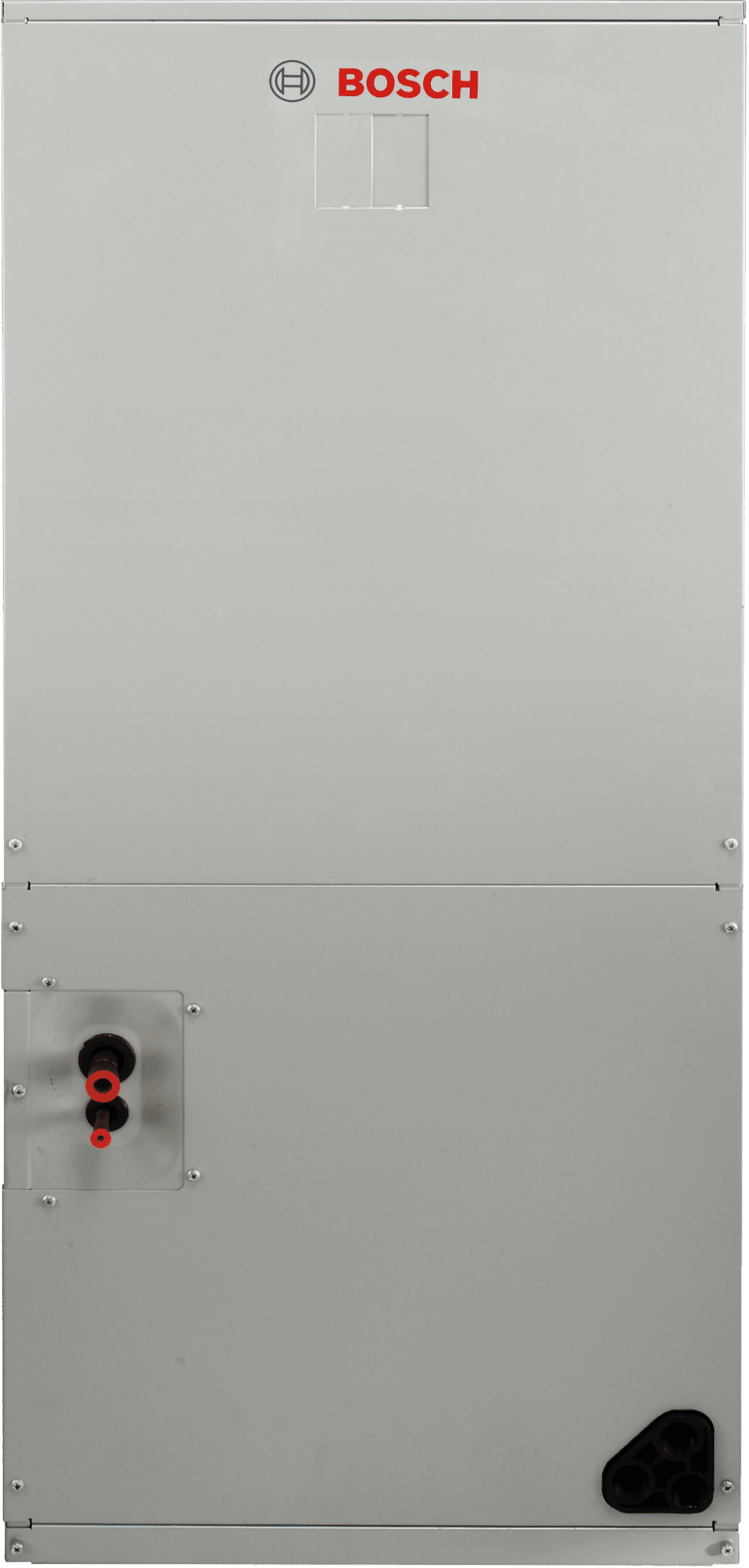
Bosch 8733941805 Top Cover Veil Grille for BOVA Series Heat Pump Condensers

 Representative Photo, actual item may vary
 Representative Photo, actual item may vary

 Representative Photo, actual item may vary


 Representative Photo, actual item may vary
 Representative Photo, actual item may vary
 Representative Photo, actual item may vary
 Representative Photo, actual item may vary
 Representative Photo, actual item may vary
 Representative Photo, actual item may vary

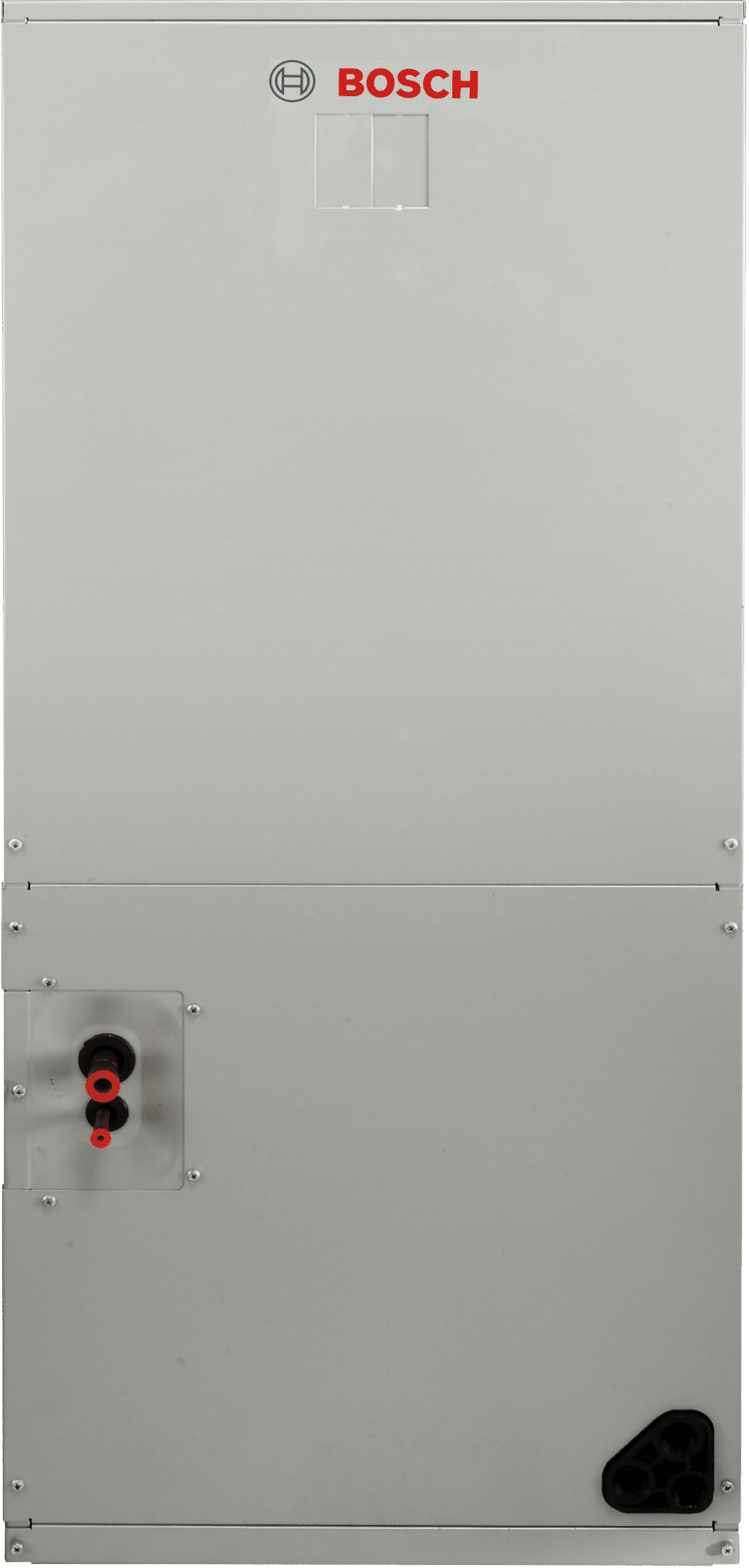
Bosch 8733953125 Compact Cassette Grille for 9K-18K BTU Ceiling Cassette Mini Splits
 Representative Photo, actual item may vary

Bosch 87070063610 Aquastar 125FX Water Valve Assembly for GWH425EF Tankless Water Heaters

MAHLE 026 80697 00 ArcticPRO Dust Cover for ACX1120 ACX1150 ACX1250 Series A/C Service Units

 Representative Photo, actual item may vary
Understanding Your Vehicle's A/C, Refrigeration & Air Quality System
Few things affect the driving experience more directly than the climate inside your vehicle. A/C, refrigeration, and air quality parts encompass the entire network of components responsible for cooling the cabin, managing humidity, and filtering the air you breathe — making them as important to safety and comfort as any other system on the vehicle. Whether you're tackling a weekend repair or planning a full system overhaul, understanding what these parts do and why they matter is the first step to a successful job.
How the Automotive A/C System Works
At its core, an automotive air conditioning system works by manipulating refrigerant between liquid and gaseous states to move heat out of the cabin. Car air conditioning systems work by manipulating refrigerant between a liquid and gaseous state to absorb heat and humidity from the vehicle and provide cool, dry air. Critically, the system does not actually create cold air but rather cools the surroundings to provide comfort, using components such as a compressor, condenser, and evaporator.
The cycle follows a precise sequence: gaseous low-pressure refrigerant is drawn into the belt-driven compressor, where it is compressed and sent to the condenser under high pressure. The condenser cools the refrigerant into its liquid form; it then flows to an expansion valve or orifice tube that meters it to the evaporator core in the cabin, where it absorbs the heat from the interior and returns to its gaseous form. Meanwhile, automotive air conditioning interacts with the engine cooling system to ensure the thermal and climate balance of the car, improving the cabin temperature and providing refrigerated or heated air for driver and passenger comfort.
Key Subcategories of A/C & Air Quality Parts
This broad category spans many interrelated subcategories, each addressing a different part of the climate control circuit:
- Compressors & Compressor Parts: The compressor is the heart of the AC system. It is responsible for compressing and circulating the refrigerant gas through the system. The compressor is driven by a belt connected to the engine, taking in low-pressure refrigerant gas and compressing it to high pressure.
- Condensers: The condenser is located in front of the radiator and is responsible for releasing the heat absorbed by the refrigerant during the cooling process. It works by converting the refrigerant gas into a high-pressure liquid, which is then cooled by passing air over it.
- Evaporators: The low-pressure refrigerant enters the evaporator, absorbing heat from the cabin air and cooling it in the process. This is the component responsible for that blast of cold air from your vents.
- Receiver-Driers & Accumulators: The receiver-drier or accumulator is responsible for removing moisture and contaminants from the refrigerant. Moisture can cause ice to form in the system and damage its components, so these parts contain a desiccant material to absorb this moisture.
- Expansion Valves & Orifice Tubes: The liquid refrigerant passes through the expansion valve or orifice tube, where it expands and becomes a low-pressure gas — a critical step in preparing refrigerant for the evaporator.
- Blower Motors & HVAC Controls: The blower motor is responsible for blowing the cooled air from the evaporator into the vehicle's cabin. It works in conjunction with the HVAC controls to adjust the airflow and temperature to your preferences.
- Cabin Air Filters: The cabin air filter helps ensure that the air entering the vehicle's cabin is clean and free of dust, pollen, and other airborne contaminants. A clean cabin air filter not only improves air quality but also helps maintain the efficiency of the air conditioning system.
- Refrigerants & System Chemicals: The refrigerant used in automotive air conditioning systems has transitioned from R-12 (Freon) to R-134a and now to R-1234yf, which produces fewer greenhouse gases. Using the correct refrigerant type and charge level is essential for proper system operation.
Why Proper Maintenance Matters
Each component plays an important role in the operation of the system, and any malfunction or failure can result in a loss of cooling performance or even a complete failure of the system. Regular maintenance and repair of these components can help ensure the proper operation of the AC system and keep the vehicle's occupants cool and comfortable, especially during hot weather. Beyond comfort, a healthy A/C system also contributes to driver alertness and windshield defogging — both genuine safety functions. Efficient climate control allows closed windows during driving, improving aerodynamics and reducing fuel consumption, while also supplying filtered air to the cabin and preventing pollutants from entering.
Whether you need a direct-fit replacement compressor, a new cabin air filter, or the hoses and fittings to complete a full system refresh, browsing the subcategories below will connect you with the exact parts needed to restore your vehicle's climate system to factory performance.