ABS Wheel Speed Sensor
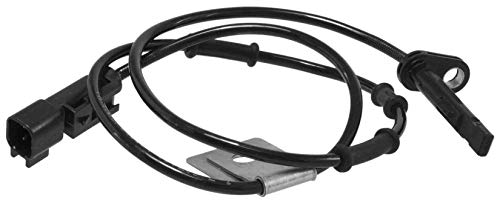
Raybestos ABS530581 Front Passenger Side ABS Wheel Speed Sensor
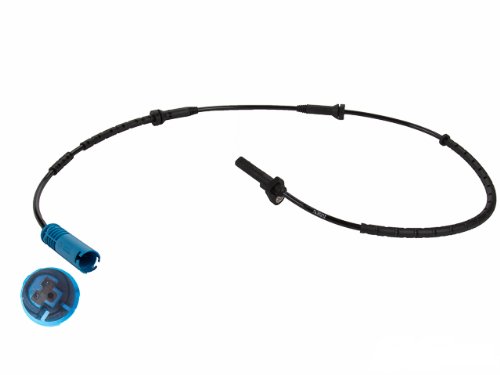
Hella 012806931 ABS Wheel Speed Sensor Rear Axle Hall Sensor
Understanding ABS Wheel Speed Sensors
ABS wheel speed sensors measure the rotational speed of each wheel, with most vehicles equipped with four sensors—one for each wheel. These sensors monitor wheel speed and send information to the ABS computer, which uses this data to prevent the brakes from locking during an emergency stop. The ABS control module monitors each wheel's speed to prevent wheels from locking up during braking, and if one wheel is rotating much slower than the others, it reduces hydraulic braking pressure to that wheel to prevent locking, helping the driver maintain control during emergency braking.
How ABS Sensors Work
A stationary ABS sensor is placed close to a ring that rotates together with the wheel, and as the ring rotates beside the sensor, it generates evenly spaced electric impulses—the faster the wheel rotates, the higher the frequency of the spikes. Often called a "variable reluctance sensor," the sensor is mounted at a specific gap from a toothed reluctor ring, and as the teeth pass by, it changes the magnetic field and produces alternating current or AC voltage. This continuous data stream allows the vehicle's safety systems to react in milliseconds when wheel lockup is detected.
Why ABS Sensors Are Critical Safety Components
ABS sensors are safety-critical components that can affect how long it takes a vehicle to stop, impacting features like electronic stability control, automated braking and hill hold assist. If the ABS sensor stops working, the Vehicle Stability Control system and the Antilock Braking system become disabled, and in some modern cars, other safety systems may also become disabled. Safety systems including the Anti-lock Braking System, Electronic Stability Program, and traction control systems all depend on the wheel speed sensors to function.
Over time, exposure to road debris and other impurities can cause the ABS sensor to fail, making cleaning and inspecting the sensors at specified intervals vital for optimal performance. Metal debris can build up on the tip of the wheel speed sensor, changing the signal and reducing the AC voltage generated, while damage to the coils surrounding the magnet can also alter the signal.
Top ABS Sensor Manufacturers
Choosing the right ABS sensor from a trusted manufacturer ensures your vehicle's safety systems operate as designed. Standard Motor Products leads the category with an extensive program that now includes nearly 2,500 SKUs for import and domestic vehicles. Standard® ABS Sensors are designed for accuracy, speed and durability, and are tested to ensure that they match OE voltage output, resistance and trigger wheel gap. Their sensors are constructed using durable, synthetic material which withstands extreme temperatures and endures harsh undercar conditions to ensure longevity, and many include a protective sleeve to prevent short circuits caused by chaffing.
Holstein Parts has built a reputation for delivering direct OE replacement sensors backed by an industry-leading warranty. Holstein offers a 1% failure rate and an industry-best 3-year/36,000-mile warranty. Their world-class sourcing and quality control teams work with the same factories that produce the original manufacturer's parts to ensure Holstein sensors match the original for form, fit, and function.
Dorman provides comprehensive coverage for ABS sensor replacement needs across both domestic and import vehicles. Known for their problem-solving approach to automotive parts, Dorman ABS sensors are engineered to restore proper ABS system function and meet the demands of professional technicians and DIY mechanics alike.
Selecting the Right ABS Sensor
When replacing an ABS sensor, precision matters. Modern ABS sensors are now required to monitor not only the rotational speed of the wheel, but also the direction of each wheel. Look for sensors that include OE-style connectors and terminals for water-tight connections, protective wire sleeves to prevent chafing, and proper grommets and clips for secure chassis mounting. The sensor must match your vehicle's specifications for trigger wheel gap, voltage output, and resistance to ensure the ABS module receives accurate data.
Quality ABS sensors are built with reinforced plastic housings that resist high temperatures and harsh undercar environments. Whether you're addressing an illuminated ABS warning light, experiencing traction control issues, or performing preventive maintenance, choosing a reliable replacement sensor from established manufacturers ensures your vehicle's critical safety systems continue protecting you and your passengers on every drive.