



Engine Push Rod Set
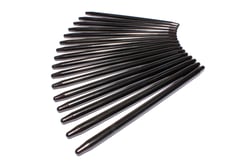
COMP Cams 8637-16 Straight Pushrods Length Diameter Wall Engine Push Rod Set - 9.250 7/16 165

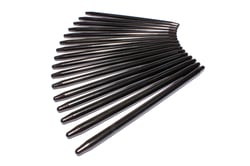
COMP Cams 8643-16 High-Energy Pushrods 9.500" x 7/16" Diameter .165" Wall Straight Set
COMP Cams 8641-16 Straight Pushrods Length Diameter Wall Engine Push Rod Set - 9.400 7/16 165
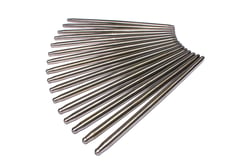
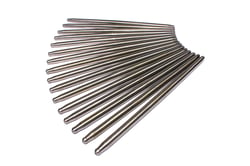
COMP Cams 8671-16 Dual Taper Pushrods 8.700" Length 7/16" Diameter .165" Wall Thickness
COMP Cams 8670-16 Dual Taper Pushrods Length Diameter Wall Engine Push Rod Set - 8.650 7/16 165
COMP Cams 8682-16 Dual Taper Pushrods Length Diameter Wall Engine Push Rod Set - 9.250 7/16 165
COMP Cams 8689-16 Dual Taper Pushrod Set Length Diameter Wall - 9.600 7/16 165
COMP Cams 8688-16 Dual Taper Pushrods Length Diameter Wall Engine Push Rod Set - 9.550 7/16 165 16-Piece
COMP Cams 8694-16 Dual Taper Pushrods 9.850" Long 7/16" Diameter .165" Wall Set
COMP Cams 8692-16 Dual Taper Pushrods 9.750" Length 7/16" Diameter .165" Wall 5.3L 6.0L LS Engine
COMP Cams 8668-16 Hi-Tech Dual Taper Pushrod Set 8.550" Long .165" Wall 7/16" Diameter
COMP Cams 8665-16 Dual Taper Pushrod Set Length Diameter Wall - 8.400 7/16 165
COMP Cams 8679-16 Dual Taper Pushrods Length Diameter Wall Engine Push Rod Set - 9.100 7/16 165
COMP Cams 8275-16 Dual Taper Pushrod Set Length Diameter Wall - 7.500 7/16 165
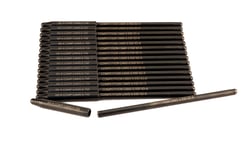
COMP Cams 896809-16 XD-A Adjustable Pushrod Set 8.160-8.392 Inch Range

 Representative Photo, actual item may vary
COMP Cams 8272-16 Dual Taper Pushrod Set Length Diameter Wall - 7.750 7/16 165
What Are Engine Push Rod Sets?
Pushrods are a foundational component in any overhead valve (OHV) engine's valve train. Engine push rod sets serve as the mechanical link between the camshaft — located deep in the engine block — and the rocker arms and valves positioned in the cylinder head above. In short, they are the messengers that translate the camshaft's rotating motion into the precise up-and-down action needed to open and close each intake and exhaust valve.
In a typical OHV engine cycle, the camshaft lobe pushes a lifter upward, which in turn raises the pushrod. That upward force transfers to the rocker arm, which pivots to compress the valve spring and open the valve. When the cam lobe rotates past its peak, the valve spring closes the valve, and the pushrod returns to its resting position — all of this happening thousands of times per minute at operating RPM. Because hollow pushrods can also channel oil from the lifters to the rocker arms, they even play a secondary role in valve train lubrication.
Why Pushrod Quality Matters
It might be tempting to treat pushrods as a simple, interchangeable commodity — but engineers at leading manufacturers have learned that the material, diameter, wall thickness, and overall stiffness of a pushrod must all be carefully matched to the application. Pushrods that are too flexible can deflect under load, upsetting valve timing, contributing to valve float at high RPM, and potentially causing catastrophic engine damage. Common materials include chromoly steel and high-carbon steel, with wall thickness and one-piece construction being key factors in strength and column rigidity.
Proper pushrod length is equally critical. Engine modifications such as a camshaft swap, cylinder head resurfacing, or aftermarket rocker arms can change the geometry of the valve train enough to require a different pushrod length. Always verify pushrod length when building or modifying an OHV engine — an incorrect length will throw off rocker arm geometry and accelerate wear across the entire valve train.
What to Consider When Shopping Push Rod Sets
- Material: Chromoly steel offers the best strength-to-weight ratio for performance and racing applications; standard carbon steel suits most street replacement needs.
- Wall thickness and diameter: Thicker walls and larger diameters improve column strength, critical for high-spring-pressure and high-RPM builds.
- Length: Must be precisely matched to your specific engine configuration, especially after any modifications to heads, cam, or deck height.
- One-piece vs. multi-piece: One-piece pushrods are stronger and more consistent; multi-piece designs are typically found only in budget or OE-style replacements.
- End treatment: Heat-treated or cryo-treated ends resist wear at the lifter cup and rocker arm contact points.
Top Brands in Engine Push Rod Sets
COMP Cams is widely regarded as one of the industry's foremost authorities on valve train engineering. Their pushrod lineup spans everything from the High Energy OE-replacement series for daily drivers, to the Magnum series for street performance, to the Hi-Tech line engineered for all-out race engines. COMP Cams engineers were among the first to recognize that pushrod frequency must be matched to the entire valve train system and the engine's RPM range — a philosophy baked into every product they make.
Crane Cams brings decades of motorsport heritage to the pushrod category. Founded in 1953, Crane Cams earned a reputation for pioneering valve train innovations and has supplied high-performance components to some of the most respected names in racing. Their Pro-Series pushrods feature carburized steel, centerless-ground construction designed to optimize stiffness while keeping valve train weight in check — a balance that matters enormously in both street and competition engines.