



Coil Spring Lowering Kit / Stabilizer Bar Kit
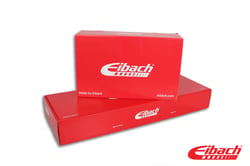

What Are Coil Spring Lowering Kits and Stabilizer Bar Kits?
Coil spring lowering kits and stabilizer bar kits represent two of the most impactful — and complementary — suspension upgrades available to car enthusiasts. While each addresses handling from a different angle, they are frequently bundled together into comprehensive kits that deliver a noticeable transformation in both how a vehicle looks and how it drives.
Coil Spring Lowering Kits: Lower Center of Gravity, Better Control
A coil spring lowering kit replaces your vehicle's factory springs with shorter, stiffer units designed to reduce ride height — typically anywhere from one to two inches. This drop lowers the vehicle's center of gravity, which directly improves cornering stability, reduces body roll, and creates a more aggressive, performance-oriented stance by eliminating excess wheel gap.
Most quality lowering springs use a progressive rate design, meaning the spring becomes firmer as it compresses. This gives you a relatively comfortable initial ride over everyday bumps, while still providing the stiffness needed during hard cornering and braking. The result is a suspension that feels planted and responsive without being unnecessarily harsh on the street.
Beyond handling, a lower ride height also offers aerodynamic benefits — bringing the car closer to the road reduces wind resistance, which can translate to improved high-speed stability. Additionally, the reduced nose-dive under braking means vehicle weight is distributed more evenly across all four tires, contributing to shorter stopping distances.
One important consideration: because lowering springs change suspension geometry, a professional wheel alignment is strongly recommended after installation. Proper alignment ensures even tire wear, predictable handling, and maximum safety.
Stabilizer Bar Kits: Targeting Body Roll Directly
A stabilizer bar — also called a sway bar or anti-roll bar — is a suspension component that links the left and right wheels on the same axle. When a vehicle corners, the outer wheel's suspension compresses; the stabilizer bar forces the opposite wheel to follow, keeping the body level and reducing lateral tilt. Upgrading to a larger-diameter or adjustable aftermarket stabilizer bar increases torsional resistance, directly boosting roll stiffness and cornering composure.
Beyond just reducing roll, stabilizer bars play a key role in tuning a vehicle's handling balance. Adjusting the relative stiffness of the front versus rear bar can dial in or reduce understeer and oversteer tendencies — a significant benefit for drivers who want to fine-tune their car's behavior at the limit.
Why Combine Both Upgrades?
Coil spring lowering kits and stabilizer bar kits work through different mechanisms but share the same goal: a more controlled, confident ride. Lowering springs reduce ride height and center of gravity, while a stiffer stabilizer bar directly combats lateral body sway. Used together, these upgrades complement and amplify each other's benefits. Many manufacturers package both components into a single kit, taking the guesswork out of matching spring rates and bar diameters for a specific vehicle application.
What to Consider Before You Buy
- Spring rate and drop amount: Progressive-rate springs tend to balance comfort and performance well for street use. Consider how much drop — typically measured in millimeters or inches — suits your daily driving needs.
- Compatibility with existing dampers: Lowering springs work with factory shocks and struts, but performance is best when paired with appropriate dampers. Inspect your current shocks for wear before installing new springs.
- Adjustability: Some stabilizer bar kits offer multi-point adjustment, letting you tune roll stiffness to match different driving conditions or track setups.
- Professional installation and alignment: Changes to ride height alter suspension geometry. A post-installation alignment is essential to protect tires and maintain safe handling characteristics.