



Mass Air Flow Sensor Adapter
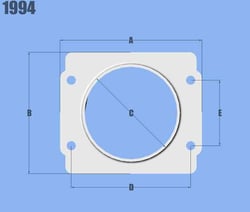

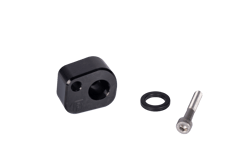
Fleece Performance FPE-L5P-MAP-SPR-24 Secondary MAP Sensor Spacer 2024-2025 L5P Duramax


Fleece Performance FPE-HAR-CUMM-ADPT-MAP-02 MAP Sensor Adapter Harness 2002 Dodge Cummins

Weapon-R 310-111-101 Secret Weapon MAF Adapter Kit Air Flow Sensor Flange

What Is a Mass Air Flow Sensor Adapter?
A mass air flow (MAF) sensor adapter is a small but critical component that bridges the gap between your vehicle's MAF sensor and a custom or aftermarket intake system. The MAF sensor itself determines the mass flow rate of air entering a fuel-injected internal combustion engine, providing the engine control unit (ECU) with the data it needs to deliver the correct fuel mass. Without a properly seated and connected sensor, that data pipeline breaks — and so does your engine's ability to run efficiently.
Why Does the Adapter Matter?
When building a custom intake system for a performance vehicle, there are many decisions to make — but one that's easy to overlook is how to retain the use of the mass air flow sensor. The MAF sensor sends air intake data to the vehicle's computer to adjust fuel delivery, and if it is not sending accurate data, the fuel ratio will be off — causing the vehicle to run poorly, if at all.
A mass air flow sensor adapter allows you to integrate your MAF sensor into custom air intake tubing, retaining its function and assuring your ECU receives the information it needs. This makes it an indispensable part of any intake build or engine swap that moves or replaces the factory airbox.
Common Use Cases
Whether you're building a custom intake or swapping a modern engine into an older vehicle, MAF sensor adapter kits offer an easy way to install a high-flow air filter directly to the MAF sensor. They are also commonly used when upgrading to larger-diameter intake tubing — where the sensor's original mounting flange no longer matches the new tubing size.
- Custom Intake Builds: Allows a MAF sensor to be mounted into aftermarket aluminum or silicone tubing of varying diameters.
- Engine Swaps: Enables compatibility between a donor engine's MAF sensor and a new intake path or chassis.
- Air Filter Upgrades: Some adapters allow an air filter with a specific inlet diameter or an intake tube with coupler to be mounted directly to the mass air flow sensor.
- Diameter Reductions: Certain adapter kits can be welded or use couplers to attach to intake tubes, reducing a larger intake system to the correct diameter at the sensor to retain calibration.
What to Look for When Shopping
Air changes its density with temperature and pressure, and in automotive applications, air density varies with ambient temperature, altitude, and the use of forced induction — making accurate mass flow measurement especially important. For this reason, selecting an adapter that maintains a proper, leak-free seal around the sensor is essential.
Key considerations include:
- Diameter compatibility: Match the adapter's inlet and outlet diameters to your intake tubing and MAF sensor housing.
- Material: Both aluminum and ABS options are available, designed for easy installation and reliable performance. Polished aluminum is popular for its durability and heat resistance.
- Bolt hole pattern: Many adapters use a universal bolt hole configuration, but always verify fitment against your specific sensor housing dimensions.
- Kit contents: Some kits include multiple flow calibration tubes and a set of adapter hardware, allowing the intake system to be reduced to the correct diameter at the sensor and making for an easier install.
Emission Control and Engine Health
The MAF sensor measures the amount of air entering the engine and signals this information to the Powertrain Control Module (PCM), which uses it along with data from other sensors to control fuel injector on-time and achieve the correct air/fuel mixture. A poorly fitted or missing MAF adapter can introduce air leaks that corrupt this signal, leading to rough idling, poor fuel economy, and failed emissions tests. Keeping your MAF sensor properly installed within your intake system is not just a performance concern — it's a compliance one, too.