



Engine Variable Timing Sensor Seal
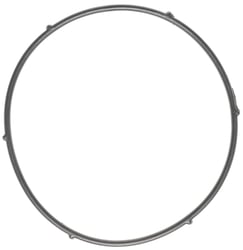

What Is an Engine Variable Timing Sensor Seal?
Modern engines rely on sophisticated Variable Valve Timing (VVT) systems to balance power, fuel efficiency, and emissions across the full RPM range. The variable timing solenoid seal is a component used to maintain a proper seal and prevent oil leaks in the VVT system — a system that uses solenoids to release pressurized oil to camshaft phasers in order to alter and control the engine's valve timing, raise fuel efficiency, increase horsepower, and lower emissions. The engine variable timing sensor seal sits at the critical junction between the VVT solenoid (or sensor) and the engine block or cylinder head, keeping pressurized oil exactly where it belongs.
Why This Seal Matters
VVT is a system designed to adjust the timing of an engine's valves to optimize performance and lower emissions throughout the engine's entire operating range. To achieve that, the VVT solenoid moves the oil control valve to direct pressurized engine oil to the actuator or phaser, which then adjusts the valve timing to the desired position. This entire process depends on maintaining consistent oil pressure — and that's exactly what the variable timing sensor seal safeguards.
Solenoid seals are installed between the solenoid and the engine block or cylinder head, and should be replaced any time the solenoids are removed for service. Over time, VVT solenoid gaskets can also deteriorate and develop leaks due to wear and tear. When they do, the result can be poor gas mileage, vibrating while at idle, pressurized oil leaks, or the Check Engine light activating.
When to Replace Your Variable Timing Sensor Seal
A variable timing sensor seal is a small part with outsized consequences. Any time a VVT solenoid is removed for inspection, cleaning, or replacement, the seal should be renewed as a matter of course. Additionally, the high-tech VVT system is prone to failure, often from lack of engine oil circulation or moving parts that wear out or fail electronically — with signs including rough idle, stalling, lack of power, engine noise, and a check engine light. If you're tracing an oil leak near the timing cover area or experiencing erratic engine behavior, a worn sensor seal may be the culprit.
The VVT system is greatly affected by engine oil condition and viscosity, so the VVT system must be serviced with regular oil changes following the manufacturer's recommended intervals. Pairing good maintenance habits with a quality replacement seal keeps the entire variable timing system operating as designed.
Top Brands for Engine Variable Timing Sensor Seals
When it comes to engine sealing, few names carry the trust of professional technicians like Fel-Pro. Since 1918, Fel-Pro's goal has been manufacturing high-quality gaskets that install easily and provide a lasting seal, responding to each new challenge with innovative materials, new technologies, and a relentless focus on designing sealing solutions for real-world conditions. Fel-Pro gaskets are specifically designed for the repair environment to deliver a reliable seal on even the most troublesome applications — designed for imperfect sealing surfaces and manufactured with proprietary materials. Their variable timing sensor seals meet or exceed OEM specifications and are engineered to precise, application-specific fits across a wide range of popular domestic and import vehicles.