



Racing Suit

 Representative Photo, actual item may vary
 Representative Photo, actual item may vary
 Representative Photo, actual item may vary
 Representative Photo, actual item may vary
 Representative Photo, actual item may vary
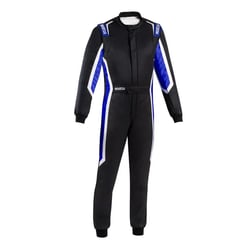
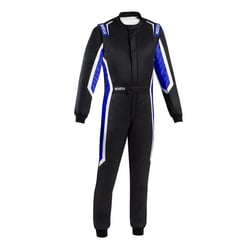
Sparco 00114252NBAZ Superleggera Racing Suit Black/Blue Euro Size 52 FIA 8856-2018 SFI 3.2A/5

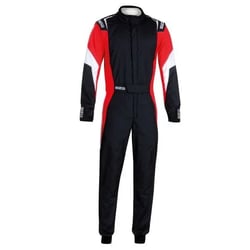
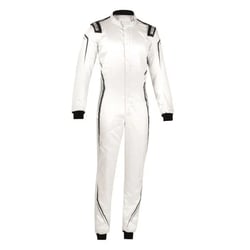
 Representative Photo, actual item may vary
 Representative Photo, actual item may vary
 Representative Photo, actual item may vary
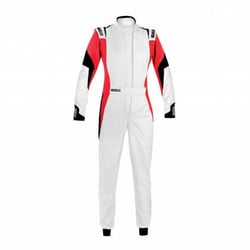
Sparco 001144B64NRRB Competition Racing Suit, 1-Piece, SFI 3.2A/5, Black/Red, Size 64
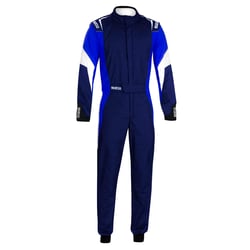
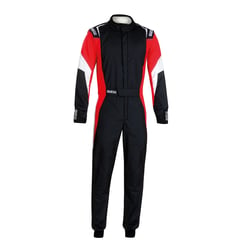
Sparco 001144B64NRGF Competition Racing Suit FIA 8856-2018 SFI 3.2A/5 Size 64 Black

Sparco 001144B64NBGR Competition Racing Suit Black/Grey SFI 3.2A/5 FIA 2XL


Sparco 001144B62BRNR Competition Racing Suit Boot Cuff Black/Red Size - 62

 Representative Photo, actual item may vary
 Representative Photo, actual item may vary
 Representative Photo, actual item may vary
 Representative Photo, actual item may vary
 Representative Photo, actual item may vary
 Representative Photo, actual item may vary
 Representative Photo, actual item may vary
 Representative Photo, actual item may vary
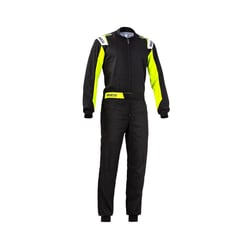
 Representative Photo, actual item may vary
 Representative Photo, actual item may vary
 Representative Photo, actual item may vary
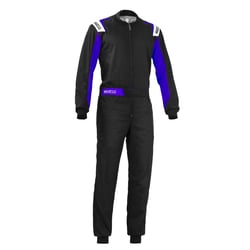
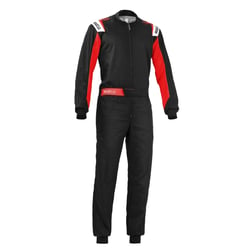

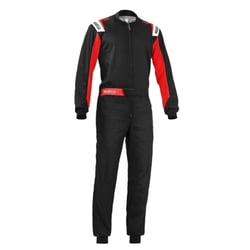
 Representative Photo, actual item may vary
 Representative Photo, actual item may vary
 Representative Photo, actual item may vary


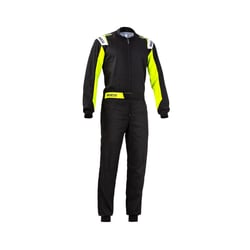
 Representative Photo, actual item may vary
 Representative Photo, actual item may vary
 Representative Photo, actual item may vary
Sparco SP04800NR5XXL T-5 Racing Suit FIA 8856-2000 Approved XXL Black/Blue
 Representative Photo, actual item may vary
 Representative Photo, actual item may vary
 Representative Photo, actual item may vary
 Representative Photo, actual item may vary
 Representative Photo, actual item may vary
 Representative Photo, actual item may vary
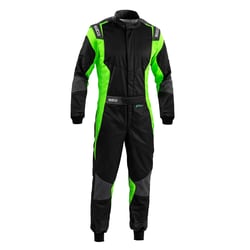
 Representative Photo, actual item may vary
 Representative Photo, actual item may vary
Sparco 001153X1552NR X-Light Racing Suit FIA Approved Size 52 Black/Red
 Representative Photo, actual item may vary
Sparco 001153X1550NR X-Light Full Efficiency Racing Suit Size 50 Black/Red
 Representative Photo, actual item may vary
Sparco 001153X1548NR AIR-15 SFI 3.2A/15 Drag Racing Suit Size 48 Black
What Is a Racing Suit and Why Does It Matter?
A racing suit — often called a fire suit or driver suit — is one of the most critical pieces of safety equipment a motorsport competitor can wear. Unlike ordinary clothing, racing suits are constructed from flame-resistant materials such as Nomex®, Aramid, and Pyrovatex®, engineered to slow the spread of fire and give a driver precious extra seconds to escape a burning vehicle. Whether you're running laps at a local autocross, competing in wheel-to-wheel club racing, or lining up for a drag pass, a proper racing suit is your last line of defense against fire-related injury.
Understanding SFI and FIA Ratings
When shopping for a racing suit, the two most important certification systems to understand are SFI and FIA. SFI ratings (such as SFI 3.2A/1 and SFI 3.2A/5) are common in North American sanctioning bodies like NASCAR and NHRA. FIA ratings (such as FIA 8856-2018) are required by international bodies including FIA-governed circuit racing series. The key performance metric within these ratings is the Thermal Protective Performance (TPP) score, which measures how long a suit delays a second-degree burn. Single-layer suits offer entry-level certified protection and are ideal for beginner and club racers, while multi-layer suits deliver higher TPP ratings and are mandatory for most professional-level competition.
Single-Layer vs. Multi-Layer Suits
- Single-layer suits are lighter, more affordable, and meet SFI 3.2A/1 standards — a solid starting point for grassroots racing.
- Multi-layer suits combine materials like Nomex® and Pyrovatex® to significantly increase protection, meeting SFI 3.2A/5 or FIA standards required in higher-level competition.
- Fit matters: A suit should allow full range of motion in the driving position without bunching — excess fabric near harnesses or pedals can be a safety hazard.
- FR underwear: Pairing any suit with fire-retardant undergarments is one of the easiest ways to increase your TPP rating and overall protection.
Top Racing Suit Brands
RaceQuip is the dominant name in accessible motorsport safety gear, having produced quality racing equipment since 1975. Catering especially to the grassroots racer, RaceQuip offers a wide range of SFI-rated fire suits — from entry-level single-layer Pyrovatex® builds to robust multi-layer SFI-5 suits — all at a value-oriented price point that doesn't compromise on protection.
Alpinestars brings decades of Italian craftsmanship and professional motorsport experience to their driver suit lineup. Their auto racing suits are engineered with advanced Nomex® fire-resistant materials, pre-curved ergonomic designs, and strategically placed stretch panels, covering everything from entry-level SFI-rated options to elite FIA 8856-2018 certified suits worn at the highest levels of competition.
Sparco has been crafting race and rally driver suits since 1977, building a legacy of FIA-certified protection and Italian-engineered design innovation. Sparco's lineup spans budget-friendly multi-layer Nomex® suits all the way up to ultra-lightweight proprietary constructions featuring their patented HOCOTEX® technology, which achieves multi-layer protection in a single-layer fabric.
RJS Racing Equipment is a respected American brand in the drag racing and oval track communities, known for delivering SFI-certified suits at competitive price points. Their range caters to drivers looking for reliable certified protection, particularly in NHRA and NASCAR-adjacent series where SFI compliance is required.
What to Consider When Choosing a Racing Suit
Before purchasing, consider the regulations of the series or sanctioning body you race in — SFI and FIA requirements differ by discipline. Think about your climate and cockpit environment, as breathability and moisture management vary widely between suit constructions. Finally, always measure carefully and consult a sizing chart; a well-fitted suit not only improves comfort during long stints but also ensures the protective layers perform as designed in an emergency.