



Engine Coolant Temperature Gauge


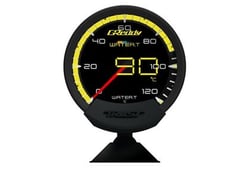

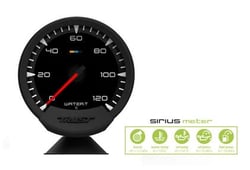
Greddy 16001731 Sirius Meter 74mm Water Temperature Gauge 0-120°C Analog with Sensor

AutoMeter 880890 Water Temperature Gauge 2-1/16" 100-250°F Sport-Comp II CAN-Enabled

AutoMeter 880875 Water Temperature Gauge 2-1/16" 100-260°F Digital Stepper Motor COPO
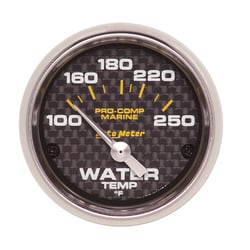
AutoMeter 200762-40 Marine Carbon Fiber Water Temperature Gauge 2-1/16" 100-250°F
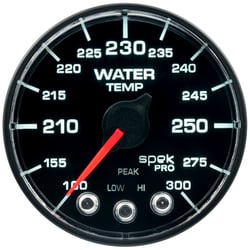
AutoMeter P546328-N1 Spek-Pro Water Temperature Gauge 2-1/16" 100-300°F Black

AutoMeter 200763-40 Marine Carbon Fiber Water Temperature Gauge 2-5/8" 100-250°F

AutoMeter 4337-09000 Hoonigan Electric Water Temperature Gauge 2-1/16" 100-250°F

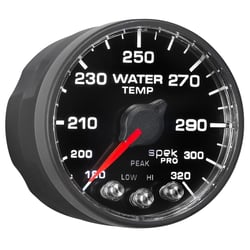
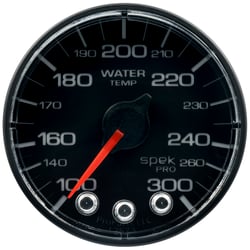

AutoMeter P346318 Spek 2-1/16" Water Temperature Gauge 100-300°F Digital Stepper Motor


AutoMeter 1733 Old Tyme Black Water Temperature Gauge 2-1/16" 120-240°F Mechanical


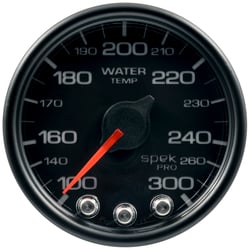
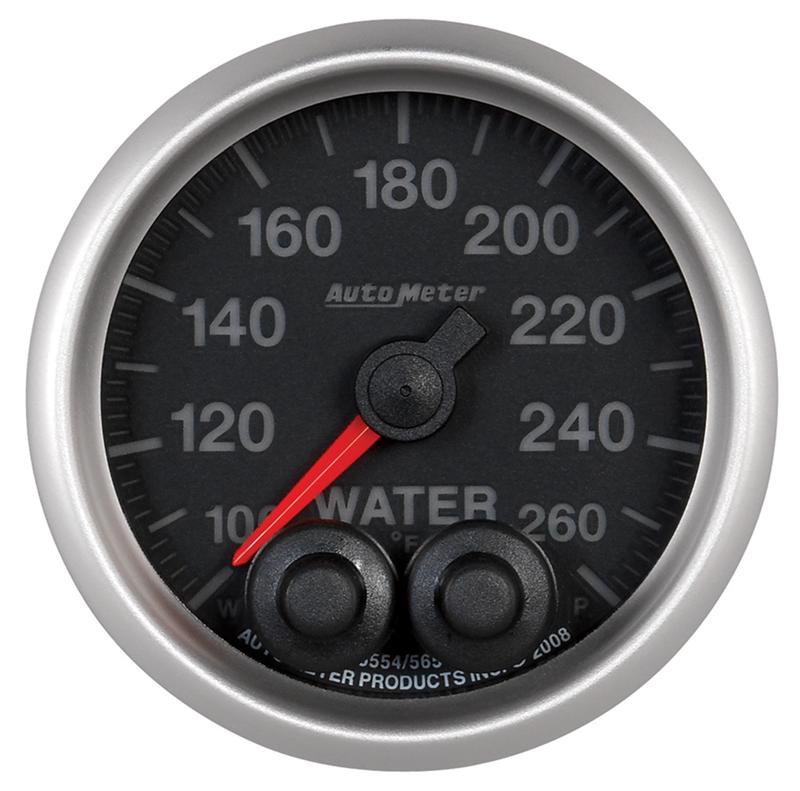 Representative Photo, actual item may vary
AutoMeter ST3308C Classic Water Temperature Gauge 52mm 100-260°F Stepper Motor
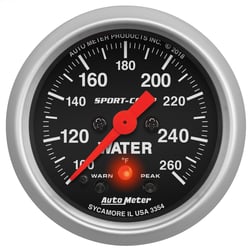
AutoMeter 3354 Sport-Comp 2-1/16" Water Temperature Gauge 100-260°F Digital Stepper Motor

AutoMeter 3632-00406 Water Temperature Gauge 2-1/16" 120-240°F Mechanical Chevy Red Bowtie


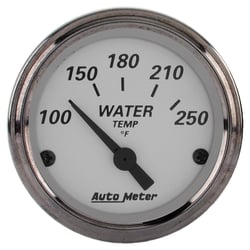
AutoMeter 1938 American Platinum Water Temperature Gauge 2-1/16" 100-250°F Electric



Longacre Racing Products 52-46860 Digital Elite Waterproof Water Temperature Gauge 100-280°F


AutoMeter 6155-M Cobalt Series 2-1/16" Metric Water Temperature Gauge 40-140°C Digital Stepper Motor
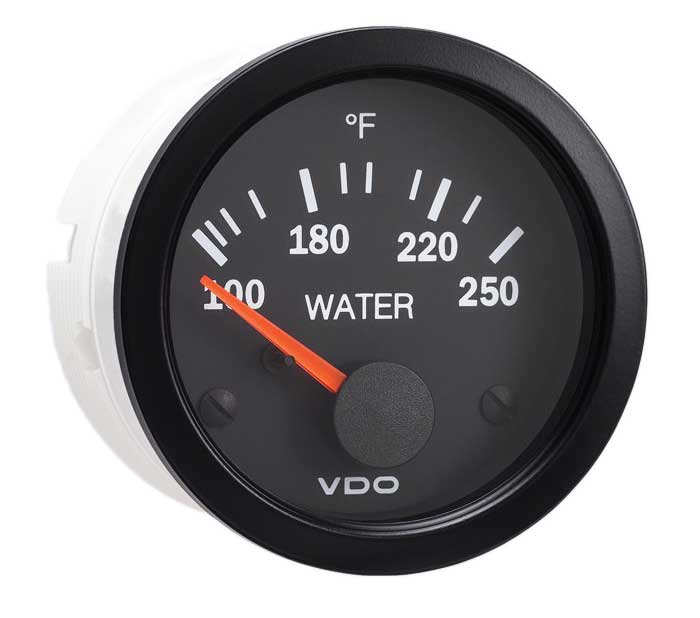 Representative Photo, actual item may vary

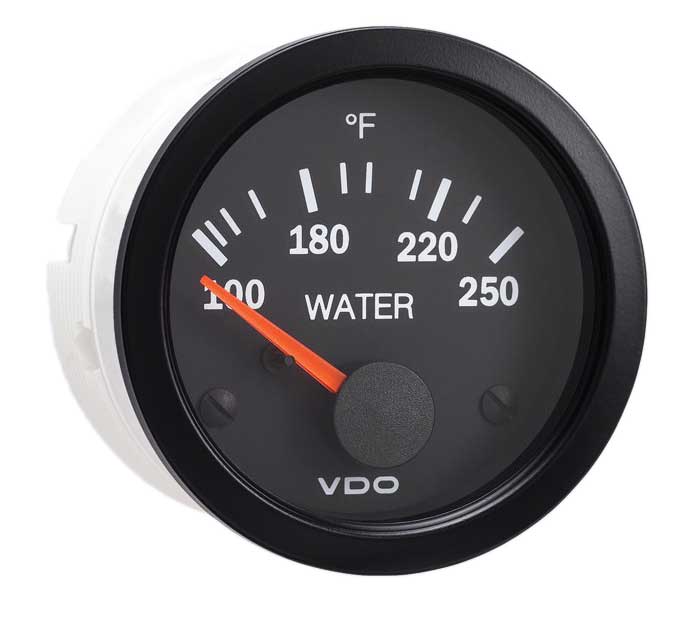 Representative Photo, actual item may vary
Why Your Engine Coolant Temperature Gauge Matters
An engine coolant temperature gauge is one of the most critical instruments on any vehicle's instrument panel. By continuously monitoring the temperature of your engine's coolant, it gives you real-time insight into one of the most fundamental aspects of engine health. Heat is the enemy of performance and reliability — and an overheating engine can lead to warped cylinder heads, blown head gaskets, or catastrophic internal damage. A properly functioning coolant temp gauge is your first line of defense.
Whether you're building a dedicated race car, restoring a classic street rod, or simply upgrading your daily driver's instrumentation, the right temperature gauge gives you the confidence to push your engine hard while keeping a close eye on its limits.
Mechanical vs. Electric Coolant Temperature Gauges
When shopping for an engine coolant temperature gauge, the first choice you'll face is between mechanical and electric designs. Mechanical gauges use a capillary tube filled with fluid that physically connects the sensing bulb to the gauge face — delivering readings without any electrical signal. They are valued for their simplicity and independence from the vehicle's electrical system, but the capillary lines can be fragile and more difficult to route through a firewall. Electric gauges, by contrast, use a threaded sending unit installed in the engine block or intake manifold that transmits a resistance signal to the gauge. They are generally easier to install, less delicate, and compatible with a wide range of vehicles. Many modern electric gauges also incorporate adjustable warning indicators or flashing LED alerts that trigger when coolant temperatures exceed a safe threshold.
What to Look for When Shopping
- Temperature range: Most aftermarket coolant temp gauges read from 100°F to 280°F, which covers normal operating conditions and well into the danger zone.
- Sender compatibility: Always verify that the sending unit is matched to your gauge. Many manufacturers require their own proprietary senders for accurate readings.
- Mounting diameter: Standard aftermarket gauge sizes are 2-1/16" and 2-5/8". Confirm your dash or panel cutout before ordering.
- Analog vs. digital readout: Analog faces offer a classic look and sweep-needle readability at a glance, while digital gauges provide precise numerical readouts and are popular in race applications.
- Warning functions: Race and performance-oriented gauges often include built-in warning lights or flashing displays that alert you when temperatures climb beyond your set threshold.
Top Brands in Engine Coolant Temperature Gauges
QuickCar Racing Products has been a leader in the performance gauge industry since 1992, building a reputation on products designed to simplify installation while maximizing reliability on the street and on the track. Their coolant temperature gauges — available in both analog and digital formats — are a staple in dirt track, circle track, and drag racing applications, and many models feature built-in adjustable warning functions that flash when temperatures climb above your desired threshold.
New Vintage USA specializes in vehicle-specific gauge kits that blend authentic period-correct styling with modern electronic precision — making them a top choice for classic truck and muscle car restorations. Their coolant temperature gauges are available as part of complete instrument cluster kits designed to fit specific makes and model years, ensuring a seamless, factory-correct appearance.
Classic Instruments designs, assembles, and calibrates every gauge right in Boyne City, Michigan, earning a well-deserved reputation among the street rod community for accuracy and quality. Their coolant temperature gauges are engineered specifically for custom and classic builds, and they require matching Classic Instruments sending units to ensure precise, reliable readings.
Devilbiss rounds out the category with coolant temperature gauge solutions that reflect the brand's broader commitment to precision instrumentation and quality engineering across automotive applications.