



Protective Arm Covering

Simpson Racing Equipment 36000BK Arm Restraints SFI Certified - 3.3

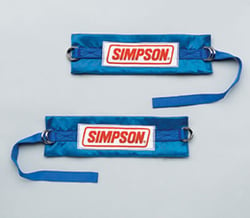
Simpson Racing Equipment 3600JBK Junior Arm Restraints SFI 3.3 Certified Black

Simpson Racing Equipment 36001BK Arm Restraints SFI Certified - 3.3

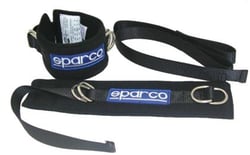




EVS EPE-20K-LX Epic Elbow Pad Black Large/X-Large Motorcycle Powersports Guard


 Representative Photo, actual item may vary
 Representative Photo, actual item may vary
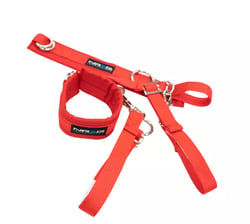


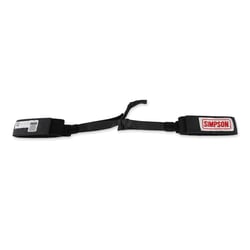


 Representative Photo, actual item may vary
 Representative Photo, actual item may vary
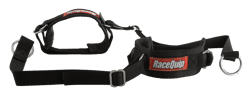


 Representative Photo, actual item may vary



Why Protective Arm Coverings Matter on the Job
Gloves often get all the attention in personal protective equipment discussions, but the forearms and upper arms face just as many hazards on the worksite. Protective arm coverings — including cut-resistant sleeves, heat-resistant arm guards, and puncture-resistant wraps — are a critical layer of defense for anyone working around sharp metal, glass, wiring, high temperatures, or abrasive surfaces. Whether you're in automotive fabrication, construction, food processing, welding, or general maintenance, leaving your arms unprotected increases the risk of lacerations, burns, and abrasions that can sideline you for days or weeks.
What to Look for When Choosing an Arm Sleeve
Not all arm coverings are created equal. Here are the key factors to evaluate before choosing a sleeve:
- ANSI Cut Level: The ANSI/ISEA 105 standard rates cut resistance from A1 (light) to A9 (extreme). Match the cut level to the sharpness and frequency of hazards in your work environment.
- Material Composition: High-performance fibers like Kevlar®, Dyneema®, HPPE, stainless steel composites, and SuperFabric® each offer different balances of cut, puncture, heat, and abrasion resistance.
- Coverage Length: Sleeves typically range from 9 to 24 inches. Choose based on whether you need forearm-only or full wrist-to-bicep coverage.
- Fit Features: Look for thumb loops, hook-and-loop closures, elastic cuffs, and sleeve clips to keep the arm covering securely in place during active work — sleeves that slip down expose workers to the very hazards they're meant to prevent.
- Heat & Flame Resistance: For welding or high-temperature environments, select sleeves rated for heat resistance in addition to cut protection.
- Washability & Durability: Reusable, machine-washable sleeves reduce long-term costs and improve worker compliance by staying comfortable over time.
Top Brands in Protective Arm Coverings
Wells Lamont is a long-standing industry leader in arm protection, offering a wide range of sleeves with ANSI cut protection from A2 through A8. Their Whizard® and Metalguard® lines use composite yarns made with stainless steel, fiberglass, and other high-performance materials, while their heat-resistant terry sleeves protect against temperatures up to 350°F — making them a go-to for automotive, steel, and food processing environments.
HexArmor takes a cutting-edge approach to arm protection with their exclusively licensed SuperFabric® brand material, which delivers industry-leading cut, puncture, and abrasion resistance in a lightweight, structured sleeve that won't slip down like traditional knit alternatives. Their Helix® line covers everything from A5 to A7 cut resistance and includes food-contact-compliant options.
PIP offers a broad selection of protective arm coverings under their well-known Kut-Gard® line, including Kevlar® and HPPE-blended sleeves designed to extend safety coverage when used alongside hand protection. PIP emphasizes matching sleeve selection to hand protection for comprehensive arm and wrist coverage.
MCR Safety brings decades of PPE expertise to their protective sleeve lineup, featuring materials including DuPont™ Kevlar®, HyperMax®, and Dyneema® for superior cut and heat resistance. Their sleeves are designed for industries ranging from metal fabrication to glass handling, with options for adjustable closures, thumb slots, and varying lengths.
Ansell rounds out the top tier with arm protection solutions built for both industrial and cleanroom workplaces. Their sleeves address a wide range of hazards — from cuts and abrasion to chemical exposure — through dedicated product lines like ActivArmr™ and GoldKnit®, making them a versatile choice across sectors including automotive, food processing, and life sciences.