



Sound Dampening Sheet
 Representative Photo, actual item may vary
Dynamat Xtreme Sound Deadening Material


Dynamat 11102 DynaLiner 1/4" Sound Deadening & Heat Insulation Sheet


Dynamat 11103 DynaLiner 1/2" Sound Deadening and Heat Insulation Sheet

Dynamat 21100 DynaPad Sound Deadening and Thermal Insulation Sheet

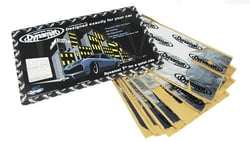
Dynamat XGMC3F Xtreme Custom Cut Floor Sound Deadening Kit for 1968-82 Corvette

Dynamat XGMC3T Xtreme Custom Cut Trunk Floor Sound Deadening Kit
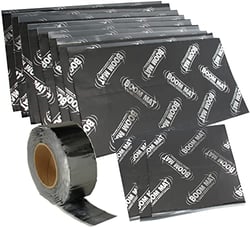
Design Engineering DEI 50027 Floor Damping Kit for 1973-1987 Chevy/GMC Pickup Trucks

Design Engineering DEI 50139 Boom Mat Sound Deadening Headliner for Jeep Wrangler JK
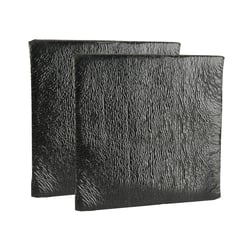
Design Engineering DEI 50228 Boom Mat Flex Vibration Damping Material 12x12 2-Sheet Kit
Dynamat XGMF2P Xtreme Custom Cut Package Tray Sound Deadening Kit
 Representative Photo, actual item may vary

What Are Automotive Sound Dampening Sheets?
Every vehicle's floor, doors, and firewall are made of thin sheet metal — and thin sheet metal vibrates. Those vibrations translate directly into the road noise, engine drone, and rattling panels that wear on drivers and passengers mile after mile. Sound dampening sheets are engineered to stop that cycle at the source. Applied directly to interior metal surfaces, these materials use mass and viscoelastic properties to absorb mechanical energy and convert it into harmless, low-grade heat — leaving your cabin dramatically quieter and more composed.
The floor pan is one of the most impactful areas to treat. Road noise from tires travels up through the floorpan and into the cabin, and the floor also absorbs radiant heat from the exhaust system running beneath it. A quality sound dampening sheet addresses both problems simultaneously, making floor treatment a high-priority first step in any acoustic build.
How Sound Dampening Sheets Work
Most automotive sound dampening sheets use a constrained-layer damping approach: a layer of viscoelastic material — typically butyl rubber — is bonded to a rigid foil or aluminum facing. When a metal panel flexes or vibrates, the butyl layer is forced to deform, dissipating that energy as heat rather than sound. The result is a panel that no longer resonates or amplifies noise from the road, engine, or exhaust.
For best results, professionals recommend a layered system: start with a damping sheet directly on the bare metal, then follow with a thermal and acoustic barrier, and optionally a decoupling layer in high-vibration zones like the transmission tunnel or wheel wells. Even partial coverage — targeting the highest-resonance panels — delivers a noticeable improvement in cabin comfort and audio clarity.
Key Things to Consider When Shopping
- Thickness & density: Heavier, thicker sheets generally damp more effectively but add more weight. Balance performance against your vehicle's weight goals.
- Coverage area: Calculate the square footage of the areas you plan to treat before selecting a kit or bulk pack size.
- Application surface: Peel-and-stick butyl sheets work best on flat or gently curved metal panels. Irregular shapes and hard-to-reach areas may call for a spray-on alternative.
- Heat resistance: For floor and firewall applications, look for materials rated to withstand the elevated temperatures generated by exhaust proximity.
- Combination systems: Consider pairing your dampening sheet with a thermal barrier for dual noise and heat control.
Top Brands in Sound Dampening Sheets
Dynamat is widely regarded as the original and most trusted name in automotive sound deadening. Its flagship Xtreme product line uses a proprietary butyl formula and is made in the USA, with a thin, flexible, self-adhesive construction that makes it easy to cut and conform to complex panel shapes. Dynamat also offers newer products like the ProX with a thicker aluminum top layer for even greater performance in demanding builds.
LizardSkin takes a different approach with its spray-applied Sound Control coating — an advanced water-based acrylic formula with sound-damping particles that can cover an entire floor or firewall surface with no cutting or pasting. This makes it particularly well-suited for irregular geometries and hard-to-reach areas where sheet materials are difficult to lay flat.
Design Engineering (DEI) brings over 30 years of heat and sound control expertise to its Boom Mat product line, which uses high-density butyl rubber construction bonded to a durable aluminum surface. Boom Mat is noted for its efficiency — covering as little as 25–50% of a panel can yield meaningful noise reduction — making it a practical choice for builders watching weight.
For those looking to explore a wide range of options and price points, Zirgo offers an extensive selection of sound dampening sheet products, while Thermo-Tec rounds out the category with products that combine sound dampening and thermal insulation performance.