



Nitrous Oxide Jet
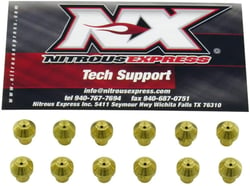


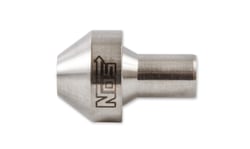


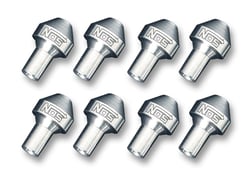

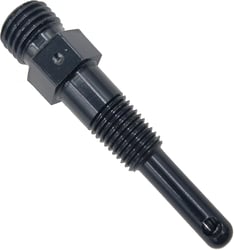
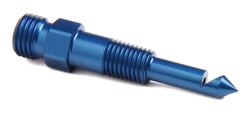
NOS 13756NOS Pro-Shot Fogger Nitrous Flare Jet Pack - 40 Stainless Steel Jets


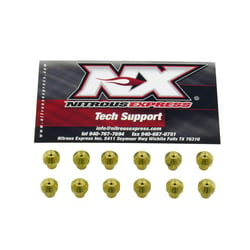

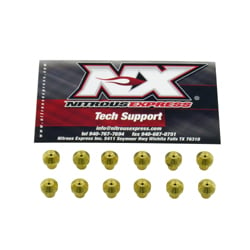
Nitrous Express 80010JP 8-Cylinder LT1/LS1 Pro Piranha Nozzle Jet Pack
Nitrous Express 80065JP 6-Cylinder Alcohol Vortech Nozzle Jet Pack (150-375hp)
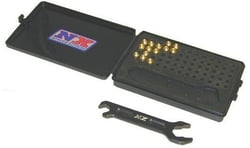

Nitrous Express 800000EFIJP 8-Cylinder EFI Gasoline Nozzle Jet Pack 200-500 HP




- 1
- 2
What Are Nitrous Oxide Jets and Why Do They Matter?
Nitrous oxide jets are small but mighty precision components that sit at the heart of every nitrous injection system. These specific orifice inserts meter the flow of nitrous oxide — and fuel in wet applications — to create the correct air-fuel ratio (AFR) for the horsepower level you're targeting. Think of them as the carburetor jets of your N2O system: swap to a larger jet and more nitrous flows through the solenoid; go smaller and you dial the power back. Getting that balance right is everything.
When nitrous oxide is injected into the intake, it decomposes under engine heat into nitrogen and oxygen. That surge of extra oxygen allows the engine to burn more fuel, driving up cylinder pressure and producing more power. On wet systems, a matched fuel jet works alongside the nitrous jet to deliver additional gasoline simultaneously — because running lean under nitrous is one of the fastest ways to destroy an engine. Jet sizing is what keeps both sides of that equation in harmony.
Jet Types: Flare vs. Funnel
Most nitrous jets fall into two distinct profiles. Flare jets are the most common style and are used across plate systems, fogger nozzles, and direct port setups on 8-cylinder engines. Funnel jets are typically found in 4- and 6-cylinder sportsman fogger kits, as well as motorcycle, watercraft, and snowmobile applications. Both styles are available individually or in assortment kits, letting tuners step through power levels methodically.
Materials matter, too. Older jets were often machined from brass, which remains a popular and cost-effective choice. Many modern performance jets are manufactured from stainless steel, which resists corrosion from aggressive fuels like ethanol and alcohol blends while maintaining dimensional stability under repeated use.
How to Choose the Right Jet Size
Jet selection starts with your target horsepower gain and works backward through bottle pressure, fuel pressure, and delivery method. Nitrous and fuel jets are typically paired together — a larger nitrous jet requires a correspondingly larger fuel jet to prevent a dangerously lean condition. Published jetting charts from system manufacturers are an essential starting point. Always verify your tune with data logging and, where possible, on a chassis dynamometer before making wide-open-throttle passes.
Two brands lead this category for enthusiasts at every level of the sport:
- NOS (Nitrous Oxide Systems) — The brand that essentially invented the category for street and strip use, NOS jets are manufactured using an EDM (electrical discharge machining) process to ensure consistent, accurate flow across all sizes, and are available from .014" through .125" in both flare and funnel styles.
- Nitrous Express — Known for their HP Jets, which feature a contoured inlet and multi-stepped outlet geometry designed to reduce turbulence and maximize flow efficiency, Nitrous Express jets are CNC-machined and made in the USA.
Jet Kits vs. Individual Jets
If you're setting up a new system or planning to experiment with multiple power levels, a jet assortment kit is often the smarter investment. These kits bundle a range of sizes — covering everything from mild street shots to aggressive race-level power — so you always have the right jet on hand when tuning conditions change. Individual jets are the go-to when you already know exactly what size you need and just want a replacement or a quick tune adjustment.
Whether you're adding a modest 50-horsepower bump to a daily driver or building a dedicated drag car around a direct port fogger system, the right nitrous oxide jet is the critical link between your bottle and your best pass yet.