



Helmet

Simpson Racing Equipment M59WF6LG Mod Bandit Modular Motorcycle Helmet Wildfire Yellow Large



 Representative Photo, actual item may vary





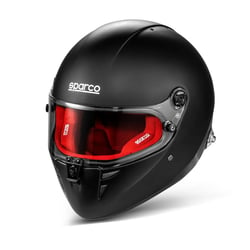


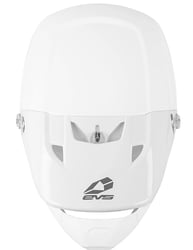



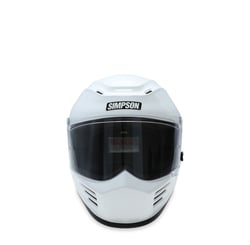

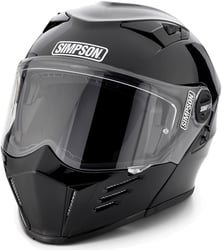


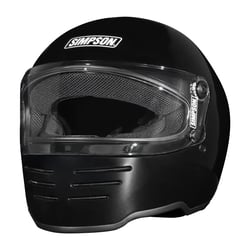



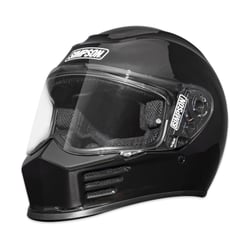


 Representative Photo, actual item may vary
 Representative Photo, actual item may vary
 Representative Photo, actual item may vary



Why a Quality Helmet Is Your Most Important Piece of Safety Equipment
Whether you're strapping into a race car for a weekend at the circuit, lining up on the drag strip, or hitting the open road on two wheels, the helmet on your head is the single most critical piece of safety equipment you own. A properly certified racing or motorcycle helmet is engineered to manage and absorb impact energy, protect the face and jaw, reduce rotational forces on the brain, and — in motorsport applications — provide fire resistance and compatibility with head and neck restraint (HANS/HNR) systems. It's not just protective gear; it's a precision piece of engineering that stands between you and serious injury.
Understanding Helmet Certifications
Before shopping, it's essential to understand the certification standards that govern helmet safety. The most common ratings you'll encounter include:
- Snell SA (Sport Auto) – The gold standard for closed-car and open-wheel racing in the USA, updated every five years (SA2020, SA2025). Required by most sanctioning bodies including IMSA, NASCAR, and NHRA.
- FIA 8859 / FIA 8860 – European and international circuit racing standards, often required for FIA-sanctioned events and Formula racing. FIA 8860 represents the highest tier of protection.
- SFI 24.1 – An alternative US standard commonly accepted for certain oval track and youth racing applications.
- DOT / ECE 22.06 – The primary standards for street motorcycle helmets, mandated for on-road use.
Always verify the certification required by your sanctioning body or local law before purchasing. Helmets have an expiration window — most Snell-rated lids are accepted for competition for approximately ten years from their certification year.
Choosing the Right Style: Full Face, Open Face, or Modular
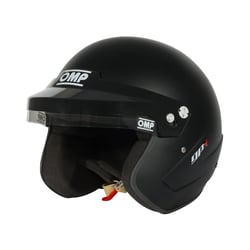
Full face helmets provide the most complete protection and are mandatory in most closed-car and high-speed racing applications. Open face (or "formula naked") designs are favored in open-cockpit formula racing where aerodynamic airflow and field of view are priorities. Modular helmets offer a convertible design popular on the street. Your discipline and sanctioning body rules will largely dictate the correct style.
Key Features to Look For
- Shell material – Composite materials (fiberglass, carbon fiber, pre-preg layups) offer a better strength-to-weight ratio than polycarbonate and thermoplastic shells.
- EPS liner – Expanded polystyrene absorbs impact energy; multi-density liners offer protection across a broader range of impact forces.
- HANS/HNR insert compatibility – Critical for any sanctioned motorsport; M6 threaded inserts allow attachment of head restraint anchor posts.
- Ventilation – Adjustable intake and exhaust vents, top-air and side-air configurations, and internal cooling channels keep drivers comfortable during long sessions.
- Fit – A helmet should sit level, feel snug without pressure points, and have cheek pads that lightly contact the face. A poor fit can compromise both comfort and protection.
Top Helmet Brands
RaceQuip has been producing racing safety equipment since 1975 and has earned a reputation as the go-to brand for grassroots and club racers who need certified protection without factory-backed budgets. Their lineup spans Snell SA2020 and SA2025 certified full-face and open-face helmets — including the popular PRO25 series — featuring EPS liners, lightweight composite shells, and HANS insert compatibility across most models.
For competitors at the very top of the sport, Stilo is a premium Italian manufacturer whose helmets are trusted across Formula 1, WRC rally, IMSA, and WEC endurance racing. Stilo offers helmets certified to both Snell and FIA standards, with advanced features like integrated communication systems, carbon fiber construction, and multiple shell sizes for precise fit — serving everyone from karting enthusiasts to professional circuit drivers.
Speed and Strength brings bold, street-forward style to the motorcycle helmet market. Known for aggressive graphics and rider-focused features like the AirStrike direct-course ventilation system and the Lock 'n Load shield replacement system, their helmets deliver DOT and ECE certified protection with an aesthetic that resonates with the modern street riding community.
Few names carry more legacy in motorsport safety than Bell. A pioneer in racing helmet technology, Bell has protected drivers and riders across disciplines — from NASCAR to MotoGP — for decades, continually advancing the science of impact protection and helmet design.
Rounding out the top tier is Simpson Racing Equipment, an iconic American brand with deep roots in drag racing, NASCAR, and IndyCar. Simpson helmets are recognized for their distinctive styling and rigorous construction, making them a long-standing choice for serious competitors across American motorsport disciplines.