



Engine Cold Air Intake
 Representative Photo, actual item may vary

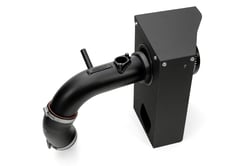
HPS Performance Products 827-768WB Cold Air Intake System - Adds 5HP/7.8 Torque

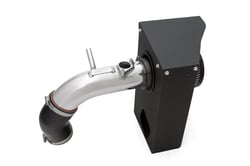

HPS Performance Products 827-740P Short Ram Cold Air Intake Kit with High-Flow Filter
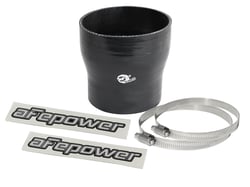
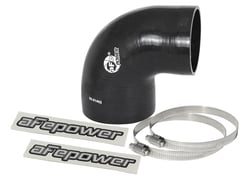
aFe 59-00114 Magnum FORCE Cold Air Intake Spare Parts Reducer Coupler 3" to 2.5"

What Is a Cold Air Intake and Why Does It Matter?
A cold air intake (CAI) is one of the most popular and cost-effective bolt-on upgrades an enthusiast can make to their vehicle. The core principle is simple: your engine is a giant air pump, and the more cool, dense, oxygen-rich air it receives, the more efficiently it can combust fuel and produce power. Engine cold air intakes replace the restrictive factory airbox and tubing with a less obstructed path that draws air from a cooler location — typically away from the hot engine bay.
How Cold Air Intakes Work
Stock intake systems are engineered primarily for noise reduction and packaging, not maximum airflow. A cold air intake improves engine performance by isolating the filter from the warmer engine bay while feeding the intake cooler outside air. Because cooler air is denser and contains more oxygen molecules per volume, it supports a more complete combustion cycle — translating directly into increased horsepower and torque. Thanks to the larger-diameter intake tubes found on most aftermarket kits, the engine also benefits from reduced turbulence and greater airflow volume that a stock system simply cannot match.
Real-World Performance Benefits
- Horsepower gains: Drivers commonly report gains of 5 to 20 horsepower depending on the engine and the specific kit installed.
- Sharper throttle response: Denser, cooler air helps improve vehicle responsiveness, making acceleration feel more immediate and predictable.
- Improved fuel efficiency: When an engine breathes more efficiently, it can extract more energy from each combustion event, which can contribute to better fuel economy during normal driving.
- More aggressive intake sound: With more air flowing through a less restricted path, many drivers notice a satisfying induction roar under hard acceleration.
What to Consider When Shopping for a Cold Air Intake
Not all cold air intakes are created equal. Key factors to evaluate include intake tube material (polished aluminum and rotomolded polyethylene are both popular choices), filter type (oiled cotton gauze filters offer excellent flow; dry filters are easier to maintain), and heat shielding. For vehicles driven in wet climates or off-road, a system with a proper heat shield or closed airbox design helps protect against hydrolocking — a serious concern when a filter is positioned low and near standing water. Always confirm that a kit is specifically calibrated for your year, make, and model to ensure a proper fit and avoid check-engine lights caused by mass airflow sensor disruptions.
Top Cold Air Intake Brands
Injen Technology is a California-based manufacturer widely respected among import and domestic enthusiasts alike. Injen is known for their meticulously engineered polished aluminum and carbon fiber intake tubes, and their systems are frequently dyno-tested to verify real horsepower and torque gains on specific vehicle applications.
Roush Performance brings genuine motorsport heritage to the cold air intake market. Born from Ford racing programs, Roush engineers their intake systems alongside complete powertrain packages, meaning their CAI kits are designed to integrate seamlessly with other performance upgrades — making them a go-to choice for Ford F-150, Mustang, and other Blue Oval platform builds.
Volant Performance sets itself apart with their closed-box intake designs, which use a sealed airbox to isolate the filter from underhood heat while still routing air from a cool source. This approach is particularly well-suited to truck and SUV applications where heat soak from large displacement engines can otherwise undermine performance gains.