



Wheel Dust Shield



Genuine BMW 31-20-6-777-789 Front Wheel Bearing Dust Shield Cap

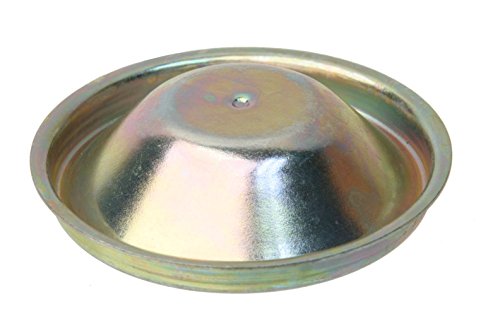 Representative Photo, actual item may vary


URO 31-20-6-777-789 Front Wheel Bearing Dust Shield Cap for BMW
What Are Wheel Dust Shields?
Wheel dust shields — also known as brake dust shields or brake splash shields — are thin metal components mounted on the inboard side of the brake assembly, between the hub and the brake rotor. A brake dust cover is a slim metal component mounted on the inboard side of the brake assembly, between the hub and the brake rotor, and its primary role is protective: it blocks road grime, water, salt, and large particulates from entering the inner brake surface and caliper area. While they may seem like a minor detail, these shields quietly play a significant role in the long-term health of your entire wheel and braking system.
Why Wheel Dust Shields Matter
The brake dust shield is engineered to block the collection of not only brake dust, but other contaminants like road grime, dirt, and other particles that can collect on brake system parts. Beyond just keeping your wheels looking clean, the shield serves several overlapping protective functions:
- Acts as a barrier, preventing debris and water splash from interfering with critical brake components.
- Helps manage rotor heat dissipation by directing airflow to the center of the rotor, which is pulled into the cooling vanes and circulated outward to cool the rotor.
- Prevents high brake heat from damaging the CV axle boot and ball joint boots.
- Reduces rust on the inboard side of the rotor by retaining heat after stopping, allowing the hot rotor to evaporate off any road splash.
Brake dust not only mars the appearance of stylish alloy and chrome wheels, turning their bright shine into dingy black, but if not removed regularly it can etch the finish and cause permanent damage. A quality wheel dust shield intercepts that dust before it ever reaches your rim's surface.
When Should You Replace a Wheel Dust Shield?
The dust shield protects suspension and drivetrain components from the extreme heat generated during braking, while the original dust shield has a tendency to rust, bend, and even crack, allowing dirt and debris to contaminate critical braking components. If you notice a metallic scraping or squealing sound that wasn't there before, a bent or corroded shield contacting the rotor may be the culprit.
It's recommended to have dust shields installed if you often drive through rough terrain and areas that use a lot of mud, gravel, and/or road salt — as dust particles can significantly damage your braking system without them. Checking the condition of your dust shields every time you perform a brake job is a smart habit that can save you from more costly repairs down the road.
What to Look for When Shopping
When selecting a replacement or upgrade wheel dust shield, consider the following:
- Material: Brake dust shields are typically thin pieces of metal — steel or aluminum — positioned behind the brake rotors or drums. Aluminum shields offer lighter weight and natural corrosion resistance.
- Fit: Confirm wheel diameter compatibility (14", 15", 16", etc.) and bolt pattern before ordering.
- One-piece vs. two-piece: Two-piece "split" dust shields can be installed without the need to remove the axle shaft, saving significant labor time on certain applications.
- Finish: Many shields come in a paintable finish so you can match or complement your vehicle's look.
Top Brands in Wheel Dust Shields
When it comes to wheel dust shields, Mr. Gasket stands out as the go-to choice for performance and show car enthusiasts. Drag racer Joe Hrudka launched Mr. Gasket in 1964 using his own '57 Chevy as a rolling test bed, quickly building a name competing at Cleveland-area tracks and establishing the brand as the go-to source for racers. Their wheel dust shields are ideal for use on most domestic and import rear wheel drive cars with alloy or custom wheels, and are universal in design, formed from high-quality black aluminum that can be painted to color coordinate with your vehicle.