



Trailer Hitch

Smittybilt JH45 Bolt-On Receiver Hitch Gloss Black for OE Style Rear Bumpers


 Representative Photo, actual item may vary

 Representative Photo, actual item may vary
 Representative Photo, actual item may vary
 Representative Photo, actual item may vary

WeatherTech 84XL12AK BumpStep XL Theft Deterrent Allen Key Hardware 1/2-Inch Black

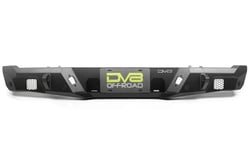
DV8 Offroad RBGL-12H MTO Series Accessory Hitch for Jeep Gladiator JT

 Representative Photo, actual item may vary


Smittybilt FH48 Factory Style 2" Receiver Hitch for 2021+ Ford Bronco
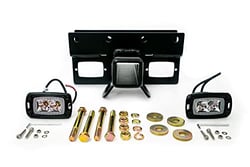
DV8 Offroad AHJP-01 Rear Hitch Receiver with LED Cube Lights for Jeep Wrangler JK/JL
A trailer hitch is the structural link between your vehicle and whatever you tow, whether that is a camper, utility trailer, boat, or a rear-mounted bike rack. Bolted to the vehicle's frame, the hitch receiver carries the trailer's weight and the forces of acceleration, braking, and cornering. Because it is a load-bearing safety component, choosing the right hitch matters as much as choosing the right trailer.
Understanding Hitch Classes and Capacity
Trailer hitches are generally grouped into classes based on how much gross trailer weight (GTW) and tongue weight they can handle. Lighter-duty hitches suit small cars and crossovers hauling cargo carriers or small trailers, while heavier classes with a 2-inch receiver are built for full-size trucks and SUVs pulling campers and equipment haulers. Always match the hitch to your vehicle's rated towing capacity, and remember that the lowest-rated component in the system, whether hitch, ball mount, ball, or coupler, sets your real limit.
What to Consider When Shopping
- Vehicle-specific fit: Custom-fit hitches are engineered for a particular make, model, and year, so mounting points line up with the frame.
- Receiver size: The opening, commonly 1-1/4 or 2 inches, determines which ball mounts, bike racks, and cargo carriers will fit.
- Tongue weight: Typically a portion of the trailer's total weight rests on the hitch, so confirm both GTW and tongue weight ratings.
- Weight distribution and sway control: Heavier travel trailers often benefit from a weight distribution hitch to level the rig and improve stability.
- Finish and hardware: A durable coating, quality pins, and correct torque on mounting bolts help resist corrosion and keep the connection quiet and secure.
Top Trailer Hitch Brands
Draw-Tite has been building custom trailer hitches since 1946 and is known for vehicle-specific designs manufactured to match each application's weight specifications and model year. The brand relies on computer-aided design and fatigue stress testing, and its Hidden Hitch series tucks a removable receiver behind the rear fascia for a factory-clean look on select vehicles.
Blue Ox is a family-owned manufacturer based in Pender, Nebraska, with roots going back to 1925. It is best known for motorhome towing gear such as tow bars and baseplates, along with weight distribution hitches like the SwayPro, which uses adjustable contact points to help control trailer sway.
Husky Towing focuses on weight distribution systems, including its Center Line TS series, round bar, and trunnion bar designs. These hitches are aimed at RV and travel trailer owners who want a more level ride, better steering control, and built-in sway control.
Camco is a familiar name in RV and camping gear, and its towing-related offerings round out a hitch setup with practical accessories for trailer owners and campers.
Keep Your Hitch Working Safely
Inspect your hitch before each trip for cracks, rust, loose bolts, and worn pins. Keep the receiver clean and lightly protected from corrosion, use the correct pin and clip, and connect safety chains and wiring every time you tow. A well-matched, properly installed hitch makes every trip more stable, predictable, and secure.