



Engine Sealant


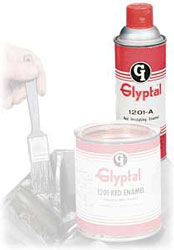 Representative Photo, actual item may vary
What Is Engine Sealant and Why Does It Matter?
Engine sealant is a chemical compound applied to mating surfaces, gaskets, and threaded fittings to prevent oil, coolant, and combustion gases from escaping an engine. Whether you're rebuilding a motor from the ground up, replacing a valve cover gasket, or reassembling a small engine after a tune-up, the right sealant is the difference between a clean, leak-free engine bay and a frustrating puddle on the driveway.
Unlike a traditional paper or rubber gasket, engine sealant fills microscopic surface imperfections on metal mating faces — the kind of irregularities that even a new gasket alone may not fully seal. Modern sealants are engineered to resist extreme heat, oil exposure, coolant chemistry, and vibration, making them an essential part of any serious engine repair.
Types of Engine Sealant
- RTV Silicone Sealant: Room-Temperature Vulcanizing (RTV) silicone is the most common type. It remains flexible after curing, making it ideal for applications that experience thermal expansion and contraction.
- Anaerobic Sealant: Cures in the absence of air and in the presence of metal ions, making it perfect for rigid, close-tolerance flanges and threaded fittings where no flex is needed.
- Gasket Maker / Form-In-Place Gasket: Applied as a bead directly to a clean surface, these sealants eliminate the need for a pre-cut gasket on many applications, saving both time and money on repairs.
- Thread Sealant: Specifically formulated for threaded connections like oil galley plugs and pipe fittings, preventing weeping around threads.
Key Considerations When Shopping Engine Sealant
Choosing the correct sealant starts with knowing your application. Temperature rating is critical — a valve cover sealant operating near exhaust manifolds needs a higher heat tolerance than one used on a timing cover. Always check manufacturer specs for cure time before starting the engine, as applying oil pressure or coolant to an uncured sealant can compromise the seal. Surface preparation is equally important: mating surfaces should be clean, dry, and free of old gasket material for optimal adhesion.
Top Engine Sealant Brands
Pioneer Automotive is a well-regarded supplier of engine-related components and fluids, offering sealant solutions trusted by professional mechanics and serious DIYers alike. Their products are designed with OEM-quality performance in mind, making them a reliable choice for passenger vehicle applications.
Auto Extra brings value-focused engine sealant options to the category, providing dependable sealing performance for everyday repair and maintenance tasks. Auto Extra is a go-to brand for budget-conscious enthusiasts who don't want to compromise on quality.
Briggs & Stratton is a trusted name in small engine technology, and their engine sealant offerings are tailored for outdoor power equipment such as lawn mowers, generators, and pressure washers. Their sealants are specifically formulated to handle the unique demands of small, air-cooled engines.
The Bottom Line
Engine sealant is a small investment that protects one of the most expensive components in any vehicle or power equipment. Taking the time to select the right product — and applying it correctly — pays dividends in engine longevity, cleanliness, and reliability for miles and hours to come.