



Engine Coolant Thermostat Gasket
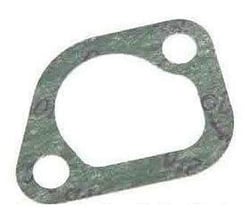

 Representative Photo, actual item may vary
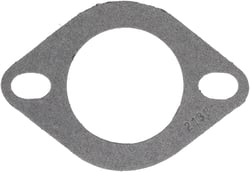






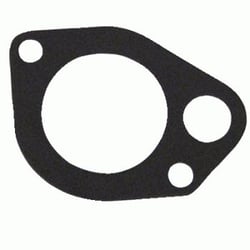
Cometic C5616-060 Chrysler B/RB Thermostat Housing Gasket AFM - 060


Cometic C5603-018 Chrysler Gen-2 Hemi Thermostat Gasket 0.018"


Cometic C15274-018 Ford 302/351W Thermostat Housing Gasket .018" AFM


Cometic C4716-032 Mitsubishi 6G72 Thermostat Gasket .032" AFM

Cometic C4710 Thermostat Housing Gasket Seal for Honda D16A1/D16A8/D16A9


Cometic C4795-031 BMW M10 Engine Thermostat Gasket .031" Fiber

Cometic C4774-031 Thermostat Gasket for Nissan VG30DE/VG30DETT


Cometic C15168 Thermostat Housing Gasket for Chrysler 3.7L 4.7L PowerTech
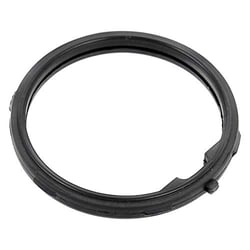
Cometic C15036 GM Gen-4 LS Small Block Thermostat Housing Gasket
Cometic C5574-032 Chrysler LA R3 Block Thermostat Gasket .032 Inch AFM
Cometic C5346-094 Water Outlet Gasket for Chevrolet Big Block V8
Cometic C5562-060 Chrysler Magnum V8 Thermostat Gasket .060" AFM



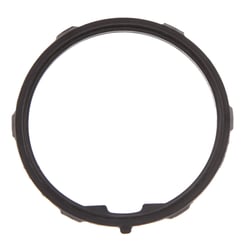
MAHLE C32061 Engine Coolant Thermostat Housing Water Outlet Gasket
 Representative Photo, actual item may vary

 Representative Photo, actual item may vary
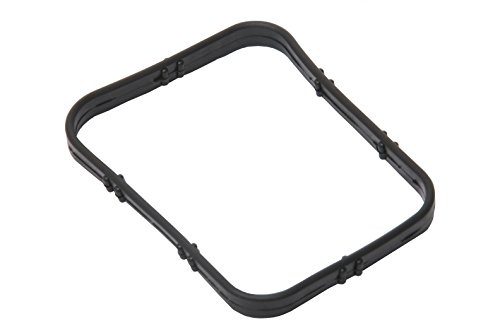 Representative Photo, actual item may vary

What Is an Engine Coolant Thermostat Gasket?
The engine coolant thermostat gasket is a small but critically important sealing component in your vehicle's cooling system. Positioned between the thermostat housing and the engine block, its job is straightforward: create a pressure-tight barrier that keeps coolant flowing exactly where it should — and nowhere else. Without a properly functioning thermostat gasket, even a perfectly good thermostat can't do its job.
To understand why this gasket matters, it helps to know what the thermostat itself does. The thermostat acts as a valve that regulates coolant flow based on engine temperature. When the engine is cold, the thermostat stays closed, allowing the engine to warm up quickly to its optimal operating temperature. Once the engine reaches its target temperature — typically around 180–200°F — the thermostat opens and allows coolant to circulate through the radiator and back. This continuous feedback loop keeps the engine from overheating and ensures efficient fuel combustion.
The thermostat gasket seals the junction where the thermostat sits in its housing. If that gasket fails, coolant can seep out, leading to inconsistencies in cooling system performance, low coolant levels, and potentially dangerous engine overheating. Because the gasket is constantly exposed to high heat, coolant chemistry, and pressure cycling, it is subject to gradual wear and hardening over time.
When Should You Replace a Thermostat Gasket?
Best practice is to replace the thermostat gasket any time you replace the thermostat itself. Old gaskets are prone to tearing during disassembly, and even if they survive removal, a worn gasket is unlikely to re-seal properly under pressure. Signs that your thermostat gasket may have already failed include visible coolant leaks near the thermostat housing, unexplained drops in coolant level, or erratic temperature gauge readings.
Thermostat gaskets are available in several materials — including rubber, silicone, cardboard fiber, and metal — and the right choice depends on your specific engine and the temperatures and pressures it operates under. Always confirm the gasket you choose is rated for your application.
Top Brands for Engine Coolant Thermostat Gaskets
Choosing a quality gasket from a reputable manufacturer makes a meaningful difference in longevity and seal integrity. Here are the leading brands available in this category:
- Facet — A leading European aftermarket parts manufacturer specializing in engine management components and thermostats, Facet produces thermostat gaskets in a wide range of materials — including cardboard fiber, rubber, and metal — engineered to fit numerous thermostat types across major European and Asian vehicle platforms.
- Gates — Known throughout the cooling and belt systems industry for engineering precision, Gates brings deep expertise in fluid power and thermal management to its thermostat gasket lineup, offering broad vehicle coverage with reliable OEM-quality sealing.
- Fel-Pro — A long-trusted name in gaskets and sealing systems, Fel-Pro offers one of the widest selections of thermostat gaskets in the aftermarket, covering a vast range of domestic and import applications with application-specific materials and designs.
- MAHLE — Originally the maker of the well-regarded Victor-Reinz gasket line, MAHLE brings OEM-level engineering to its thermostat gaskets, with a reputation for application-specific fitment that prioritizes sealing performance over a one-size-fits-many approach.
- Beck/Arnley — Specializing in premium OE-quality parts for European and Asian import vehicles, Beck/Arnley sources thermostat gaskets that are engineered to match OEM specifications, making them a go-to choice for technicians and enthusiasts working on import nameplates.
Shopping Tips
Always verify fitment by make, model, year, and engine size before purchasing. Note whether your thermostat comes with its own integrated seal or O-ring — many modern thermostats do, while older designs require a separate gasket. When in doubt, check your vehicle's service manual for the correct gasket specification and any recommended sealant instructions for your application.