



Engine Coolant Outlet O-Ring
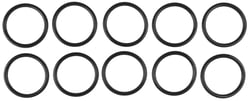

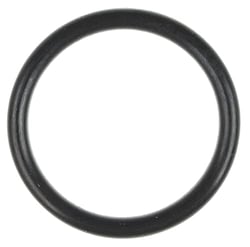
What Is an Engine Coolant Outlet O-Ring?
Small in size but critical in function, the engine coolant outlet O-ring is one of those unsung heroes of your vehicle's cooling system. The coolant outlet allows coolant to flow from the engine to the radiator, and is sealed with an O-ring to prevent coolant leaks. Without a properly functioning O-ring, that vital coolant pathway becomes a source of leaks that can quickly escalate into serious engine damage.
Coolant outlets may be made of metal or plastic, which can expand and contract as the coolant temperature rises and falls. The coolant outlet O-ring is made of rubber or nitrile, and is designed to also expand and contract to maintain the connection during engine operation and coolant cycling. This dynamic flexibility is what makes the O-ring so important — it isn't just a static gasket, but an active sealing element that responds to real-world thermal stress.
Why It Matters for Your Engine's Health
The cooling system of your automobile is vital to your engine's overall health and longevity. That is why it's critical to replace leaking, malfunctioning, cracked or otherwise damaged cooling parts and components in time. Without proper cooling, your engine can crack and seize up, which can lead to engine damage. A worn or hardened O-ring is often the cause of a slow coolant leak that goes unnoticed until the damage is already done.
Engine coolant outlet O-rings are formed elastomer gaskets that form the water-tight seal between the engine coolant outlet and the engine block or head. When these seals degrade — due to heat cycling, age, or chemical exposure from coolant additives — they lose their ability to compress and conform, allowing coolant to seep past and drip onto hot engine surfaces or the garage floor.
What to Look for When Shopping
When replacing a coolant outlet O-ring, fit and material quality are the two most important factors. The O-ring must match the exact diameter and cross-section of the original to create a proper seal. Material matters too: nitrile and fluoroelastomer compounds offer improved resistance to modern OAT (Organic Acid Technology) and HOAT coolant formulas, which can be harder on older rubber compounds. Always verify compatibility with your specific vehicle year, make, model, and engine before purchasing.
It's also good practice to inspect the mating surfaces of the coolant outlet and engine block when replacing the O-ring. Any corrosion, pitting, or debris on these surfaces can compromise even a brand-new seal. A clean surface and a light coating of fresh coolant or silicone lubricant during installation helps ensure the O-ring seats correctly and achieves a lasting, leak-free connection.
Top Brands for Engine Coolant Outlet O-Rings
When it comes to sealing products, the brand you choose matters. Fel-Pro is the benchmark name professionals reach for across the full spectrum of engine sealing. When it comes to sealing solutions for vehicle engine repair, leak repair or system specific repair, Fel-Pro is the industry's leading brand of premium replacement gaskets and seals for car and light and medium-duty truck applications. Their story began in a tiny Chicago warehouse in 1918, with the same goal — manufacturing high-quality gaskets that install easily and provide a lasting leak-free seal. That century-plus of expertise translates directly into every O-ring and seal they produce, including coolant outlet O-rings engineered to stand up to modern high-temperature cooling systems.