



Brake Fluid




 Representative Photo, actual item may vary

 Representative Photo, actual item may vary


 Representative Photo, actual item may vary

 Representative Photo, actual item may vary
 Representative Photo, actual item may vary
 Representative Photo, actual item may vary


 Representative Photo, actual item may vary
 Representative Photo, actual item may vary
 Representative Photo, actual item may vary
 Representative Photo, actual item may vary
 Representative Photo, actual item may vary






 Representative Photo, actual item may vary




Red Line Oil 90414 RL600 High Performance DOT 4 Brake Fluid - Case of 6 (500ml Bottles)

Why Brake Fluid Is One of the Most Critical Fluids in Your Vehicle
Brake fluid is the unsung hero of your vehicle's safety system. Every time you press the brake pedal, hydraulic pressure generated by brake fluid travels through the lines, calipers, and wheel cylinders to bring your vehicle to a controlled stop. Without clean, properly rated brake fluid, that hydraulic chain breaks down — and so does your stopping power.
Unlike engine oil or coolant, brake fluid is often overlooked during routine maintenance. Yet it is hygroscopic by nature, meaning it absorbs moisture from the air over time. As water content rises, the fluid's boiling point drops significantly. Under hard braking conditions — especially on mountain roads or track days — degraded fluid can boil inside the calipers, creating vapor bubbles that compress rather than transmit pressure. The result is the terrifying sensation of a soft or spongy brake pedal. Replacing brake fluid on a regular schedule (typically every two years or per your manufacturer's recommendation) is one of the simplest and most affordable ways to maintain brake system integrity.
Understanding Brake Fluid Classifications
Brake fluids are rated by the U.S. Department of Transportation (DOT) and classified by their dry and wet boiling points:
- DOT 3 – The most common specification for older and light-duty vehicles. It offers adequate performance for everyday driving but absorbs moisture more readily than newer formulations.
- DOT 4 – A step up in boiling point performance, widely specified by European and performance-oriented manufacturers. It resists moisture absorption better than DOT 3 and is the standard for most modern vehicles.
- DOT 5.1 – A glycol-based, high-performance fluid with the highest boiling points of the glycol-ether family. Often chosen for performance driving, towing, or vehicles that see frequent heavy braking.
- DOT 5 – Silicone-based and not hygroscopic, but incompatible with ABS systems and most modern brake hardware. Typically reserved for classic or show vehicles that sit for extended periods.
Always match the fluid specification to what your vehicle manufacturer requires — mixing incompatible fluids can damage seals and degrade braking performance.
Top Brake Fluid Brands
CRP is the leading brand in this category, offering a focused lineup of brake fluids trusted by European vehicle owners and professional technicians alike. CRP's fluids are particularly well regarded for German makes such as BMW, Mercedes-Benz, Audi, and Volkswagen, where precise fluid specifications are critical.
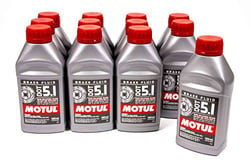
Motul brings decades of motorsport heritage to its brake fluid lineup. Widely used in performance and racing applications, Motul's DOT 4 and DOT 5.1 formulations are known for their high dry and wet boiling points, making them a favorite among enthusiasts and track-day drivers who demand the most from their braking systems.
Wagner Brakes is a household name in the brake parts world, and its brake fluid offerings reflect the same commitment to reliability. Wagner's fluids are designed to meet or exceed DOT specifications, making them a practical and dependable choice for everyday passenger vehicles and light trucks.
ATE is a German-engineered brand with deep roots in European brake system technology. ATE brake fluids are factory-fill approved by several European OEMs and are a go-to choice for technicians servicing vehicles from Audi, BMW, Porsche, and Mercedes-Benz. Their SL and Type 200 formulas have become benchmarks in the performance community.
Choosing the Right Brake Fluid
When selecting brake fluid, always start with your owner's manual to confirm the required DOT specification. From there, consider your driving conditions: spirited canyon driving, towing, or track use all benefit from a higher-boiling-point fluid like DOT 5.1. For standard commuters, a quality DOT 3 or DOT 4 fluid from a reputable brand is entirely sufficient. Whatever you choose, use a sealed, fresh container — brake fluid absorbs moisture even through an open cap over time.