



Fuel Line
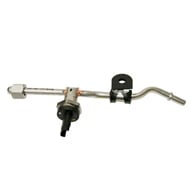
Genuine BMW 13-53-7-622-751 Fuel Hose Inlet Pipe with Sensor for High-Pressure Fuel Pump


Genuine BMW 16-12-6-760-754 Fuel Line In-Tank Filter to Feed Line


Genuine BMW 24-32-7-532-013 Automatic Transmission Solenoid Valve
 Representative Photo, actual item may vary

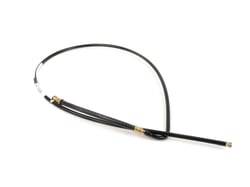

 Representative Photo, actual item may vary
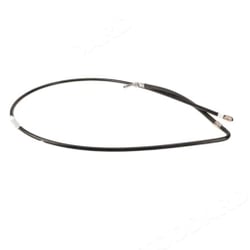
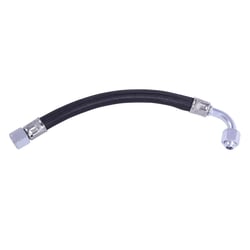
Genuine Porsche 964-110-412-02 Fuel Line Pressure Regulator to Fuel Rail
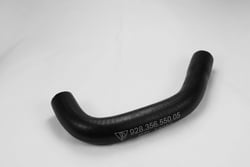
 Representative Photo, actual item may vary

 Representative Photo, actual item may vary
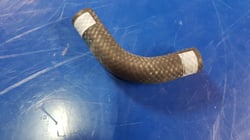
 Representative Photo, actual item may vary

Genuine Porsche 930 110 570 00 Fuel Line - Fuel Distributor to Cold Start Valve
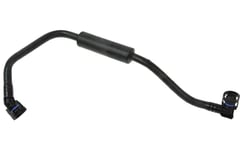
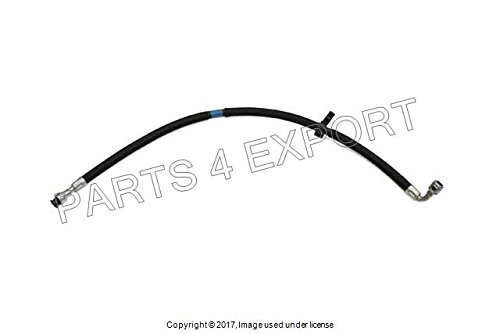 Representative Photo, actual item may vary

 Representative Photo, actual item may vary

 Representative Photo, actual item may vary
 Representative Photo, actual item may vary


 Representative Photo, actual item may vary

 Representative Photo, actual item may vary
 Representative Photo, actual item may vary


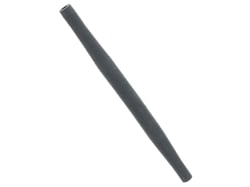
Genuine Mercedes 008-997-64-82 Fuel Expansion Hose 7.0x14.5mm 265mm Diesel
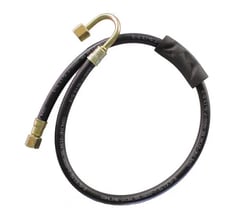
 Representative Photo, actual item may vary
Genuine Porsche 930 356 081 07 Fuel Line - Fuel Accumulator to Fuel Pump
 Representative Photo, actual item may vary

 Representative Photo, actual item may vary
 Representative Photo, actual item may vary
 Representative Photo, actual item may vary
What Are Fuel Lines and Why Do They Matter?
Fuel lines are the critical arteries of your vehicle's fuel injection system, responsible for carrying pressurized fuel from the tank to the fuel rail and ultimately to the injectors. A fuel injection line is the high-pressure tube or hose that carries fuel from the injection pump or fuel rail to each injector on a diesel or gasoline engine. Without an intact, properly rated fuel line, an engine simply cannot receive the consistent, pressurized fuel flow it needs to run reliably and efficiently.
How Fuel Lines Work in a Modern Fuel Injection System
The supply injection high-pressure line transfers fuel from the fuel tank to the injection rail. These fuel lines are designed to handle mass amounts of pressure — most modern vehicles today produce anywhere from 60 psi to 125 psi. Beyond the supply line, a complete fuel injection system also relies on return lines. The return injection vapor line collects any fuel that bypassed the combustion chamber and exited the engine, sending raw emissions to a charcoal canister to collect hydrocarbons and sulfur in the vapor.
Each injection line is designed with a specific internal diameter and length — this tuning helps keep injection timing and fuel quantity equal for every cylinder. Uneven delivery causes rough running, reduced power, and increased wear. In other words, the geometry of your fuel lines isn't arbitrary: it's precision engineering that directly affects how your engine performs.
Types of Fuel Lines
Not all fuel lines are created equal, and choosing the right type for your application is essential for both safety and performance.
- Rubber Hose: SAE J30R9 is fuel injection-rated fuel hose that can handle up to 100 PSI. However, rubber hose has some downsides and shouldn't be used to plumb an entire fuel system — it starts degrading as soon as fuel hits it, can leak fuel vapors, and is susceptible to cuts, nicks, and abrasions.
- Nylon Tubing: For fuel line repairs on a budget, nylon tubing may be a better option than long lengths of plain rubber fuel hose.
- Braided Hose: Braided hose is rubber hose with either a braided stainless or braided nylon exterior, and uses AN hose ends to connect with the rest of the fuel system.
- PTFE-Lined Hose: PTFE-lined hose is considered the best soft hose available, generally featuring a braided stainless or nylon exterior, and its PTFE liner blocks fuel vapors and slows the degradation process.
- Hard Lines (Steel/Plastic): All vehicles from 1996 onward use plastic lines known as fuel injection lines — the plastic does not rust or leave particles in the fuel.
Key Considerations When Replacing Fuel Lines
Fuel line replacement is a safety-critical job. High-pressure fuel mist near hot exhaust surfaces or electrical components creates an immediate fire risk. Always choose a line rated for your system's operating pressure. The increasing amount of ethanol in pump fuel means some budget fuel hoses can have a short life before they need replacing, since ethanol is chemically aggressive and has a tendency to attack the rubber compounds used to make cheaper fuel hosing.
When shopping for a replacement, fit matters as much as material. Match the new line's shape and length to the original — don't try to bend a line to fit; order the correct item. Additionally, route the line away from sharp edges, hot exhaust components, and moving parts to ensure long-term durability. Whether you're doing a straightforward OEM repair or upgrading to a performance-oriented braided line setup, selecting the right fuel line for your system is one of the most important decisions you can make for your vehicle's safety and reliability.