



Engine Air Intake Hose


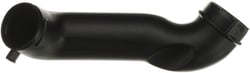


Mishimoto MMHOSE-IS300-01IHRD Silicone Air Intake Hose Kit Lexus IS300


URO 906-528-02-24 Air Intake Pipe Air Mass Sensor to Engine

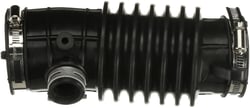
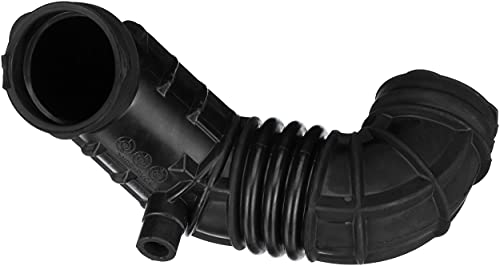 Representative Photo, actual item may vary


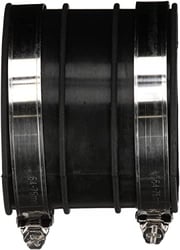
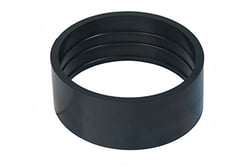

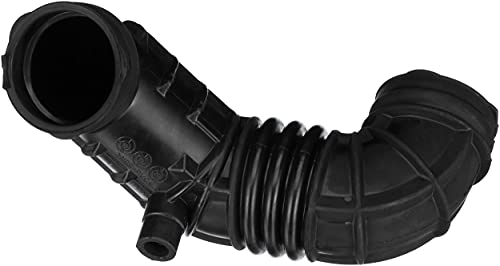 Representative Photo, actual item may vary
Gates ANTK115 Engine Air Intake Hose - 3-7/16 x 3-1/8 x 19-7/8


 Representative Photo, actual item may vary



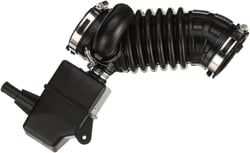
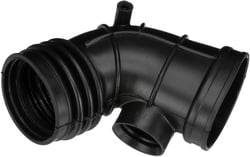


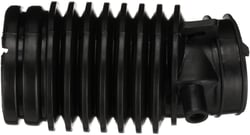

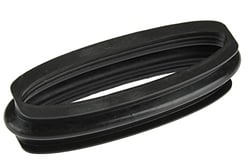

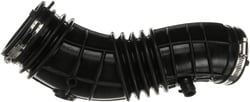


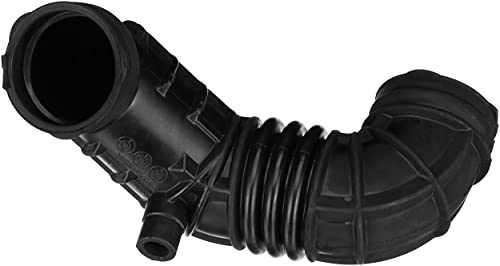 Representative Photo, actual item may vary
 Representative Photo, actual item may vary
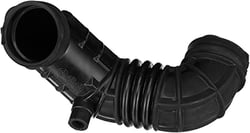

URO 13-72-1-491-743 Intake Hose Air Filter Housing to Throttle Housing

URO 17-51-7-639-960 Air Intake Boot Left Intercooler to Intake Manifold Duct
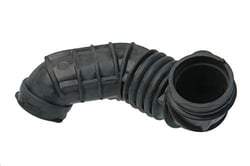
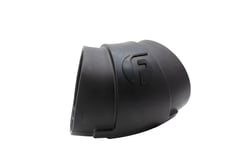
Fleece Performance FPE-UNV-INTAKE-RUBBER-5 5 Inch Universal Molded Rubber Intake Elbow

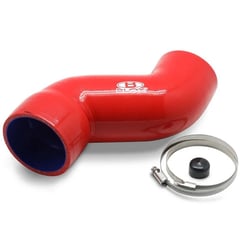

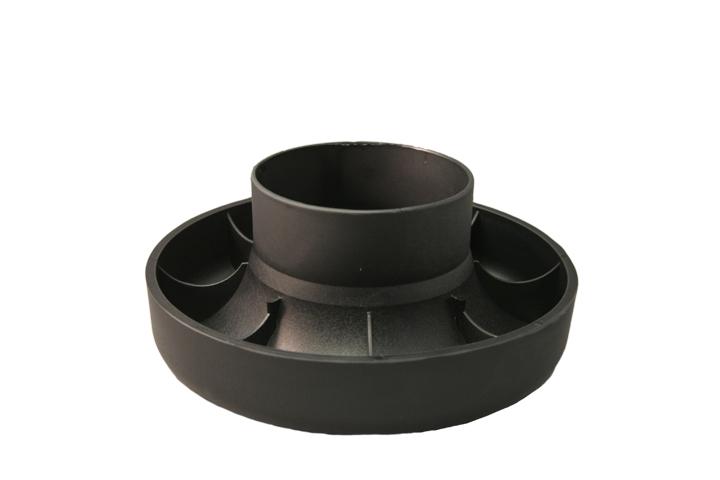 Representative Photo, actual item may vary
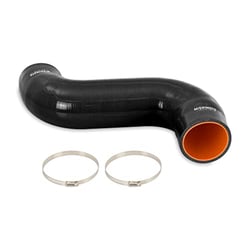
Mishimoto MMHOSE-RAM-03IHBK Silicone Intake Hose for 2003-2007 Dodge Ram 5.9L Cummins Black
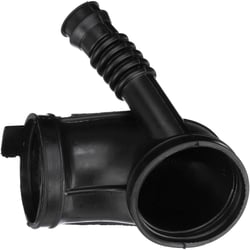
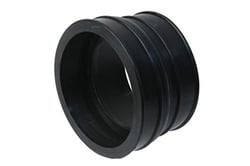
URO 951-110-371-01 Intake Boot Intercooler to Intercooler Pipe


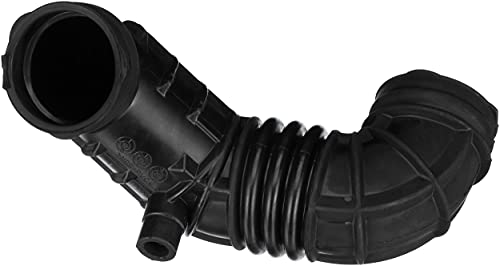 Representative Photo, actual item may vary


What Is an Engine Air Intake Hose?
Engine air intake hoses are a critical but often overlooked component in your vehicle's fuel injection and air delivery system. Engine air intake hoses connect the air filter housing (or airbox) to the throttle body and intake manifold, creating a sealed conduit that delivers clean, measured airflow directly to the engine. Without a properly functioning intake hose, the precise air-fuel ratios your engine depends on can quickly fall out of balance.
Why the Air Intake Hose Matters
Modern fuel-injected engines rely on a carefully controlled stream of filtered air for efficient combustion. The air intake hose controls how much filtered air reaches the throttle body — and a damaged hose disrupts air-fuel ratios, causing misfires and poor fuel economy. Beyond performance, a cracked or collapsed hose can allow unfiltered air and contaminants to enter the engine, accelerating wear on sensitive internal components.
Because these hoses live under the hood, they're subjected to constant heat cycles, vibration, and exposure to oil and chemicals. Over time, factory rubber hoses can become brittle and crack, leading to air leaks. Common symptoms of a failing intake hose include a rough idle, hesitation during acceleration, a lean-condition trouble code, and unusual intake noises — especially under load.
OEM vs. Aftermarket: Choosing the Right Intake Hose
When shopping for a replacement engine air intake hose, you'll generally encounter two categories: OEM-specification replacements designed to restore factory performance, and upgraded aftermarket units engineered to improve airflow and durability beyond the original design. Key factors to consider include:
- Material: OEM hoses are typically rubber or plastic; upgraded options often use reinforced silicone, which offers superior heat and chemical resistance.
- Fit and compatibility: The hose must seal correctly against the throttle body and airbox to prevent vacuum leaks — even small gaps can trigger check engine lights and affect drivability.
- Temperature rating: Under-hood temperatures can be extreme; choose a hose rated to handle your engine's thermal environment.
- Vibration isolation: A properly spec'd hose also dampens engine vibration, protecting the mass airflow (MAF) sensor and other connected components.
Top Brands for Engine Air Intake Hoses
For drivers who need a straightforward, factory-correct fix, Genuine OEM air intake hoses are the most reliable choice. Genuine parts are engineered to exact factory tolerances, ensuring a proper fit and restoring your vehicle's original intake geometry without any guesswork.
Enthusiasts looking to go beyond stock will find a strong option in HPS Performance Products air intake hoses. HPS specializes in high-temperature reinforced silicone hoses that meet or exceed the SAE J20 standard, and their vehicle-specific kits are dyno-tested to deliver measurable improvements in throttle response and airflow compared to the restrictive factory rubber hose they replace.
Whether you're restoring a daily driver to its original condition or extracting a few extra horsepower from a weekend build, the right engine air intake hose is a small investment that pays dividends in engine health and performance.