



Spark Plug Gap Gauge
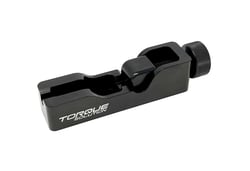

A spark plug gap gauge is a small, inexpensive hand tool that does one job with big consequences: it measures, and often helps adjust, the distance between a spark plug's center electrode and its ground electrode. That distance, known as the plug gap, determines how the spark jumps across the electrodes and ignites the air-fuel mixture in the cylinder. Even a few thousandths of an inch can change how an engine starts, idles and accelerates.
Why Spark Plug Gap Matters
Every engine manufacturer specifies a gap for the spark plugs it uses. If the gap is too narrow, the spark can be small and weak, which may lead to incomplete combustion and a rough idle. If it is too wide, the ignition system has to work harder to fire the plug, which can result in misfires, especially under load or at high RPM. Plugs are not always shipped pre-gapped to your engine's specification, and gaps can also change as electrodes wear, so checking the gap before installation is a standard part of a proper tune-up. Engines with forced induction, high-energy ignition systems or modified setups often call for gaps that differ from stock, making an accurate gauge even more valuable.
Types of Spark Plug Gap Gauges
- Coin-style (flat disc) gauges: A tapered edge lets you check the gap by sliding the plug's electrode across it, and a small hole or slot lets you gently bend the ground electrode to widen or close the gap.
- Wire-type gauges: Round wires of specific diameters slip between the electrodes for a true measurement. Many technicians prefer these because wires measure more consistently than flat blades on plugs with worn or curved electrodes.
- Feeler-style gauges: Thin blades in graduated sizes offer fine increments and also double as general-purpose measuring tools around the engine bay.
What to Consider When Choosing
- Gap range: Make sure the gauge covers the gap your vehicle calls for. Modern high-energy ignition systems typically use wider gaps than older points-based systems.
- Measurement units: Look for clear inch and millimeter markings if you work on both domestic and import vehicles.
- Adjuster design: A good adjusting slot should bend only the ground electrode. Pressing on the center electrode or its insulator can damage the plug, especially fine-wire iridium and platinum types, which call for a light touch.
- Build quality: Hardened steel resists wear and keeps markings legible over years of use.
Brands to Know
Lisle is a long-established American specialty tool maker, and its spark plug gauge and gapper is a familiar sight in professional toolboxes. It gauges and gaps plugs across a broad range of roughly 0.020 to 0.100 inch (0.50 to 2.53 mm), with a tapered edge for measuring and a flanged hole designed to adjust the side wire without pressuring the center electrode.
OTC Tools is widely recognized in professional repair shops for its diagnostic and service tools, and brings that shop-oriented focus to precision measuring. Its gap gauge is aimed at technicians and DIY enthusiasts who want a dependable reference for setting plugs to specification.
Gap It Right Before You Install
Because spark plug gap gauges are compact and simple, they are an easy addition to any tool roll or glovebox kit. Check each plug before it goes into the cylinder head, adjust gently, recheck, and always follow the specification in your vehicle's service information. Taking a minute to do so is one of the most cost-effective ways to protect ignition performance, fuel economy and engine smoothness.