



Clutch Friction Disc
 Representative Photo, actual item may vary


Sachs 88 1861 000 064 Performance Sport Clutch Disc 215mm for Porsche 901 Transmission

 Representative Photo, actual item may vary

 Representative Photo, actual item may vary


Sachs 88 1864 999 978 Sport Performance Clutch Disc 240mm Organic Rigid Hub

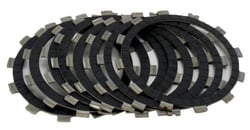
EBC CKF4514 Carbon Fiber Clutch Plate Set for Kawasaki MX ATV

 Representative Photo, actual item may vary
 Representative Photo, actual item may vary
 Representative Photo, actual item may vary
 Representative Photo, actual item may vary

Quarter Master 226080S 2-Disc Clutch Pack 7.25" Heat Treated 1-1/8" x 10 Spline

 Representative Photo, actual item may vary
 Representative Photo, actual item may vary
 Representative Photo, actual item may vary
 Representative Photo, actual item may vary
 Representative Photo, actual item may vary
 Representative Photo, actual item may vary

Genuine Porsche 930 116 014 02 240mm Clutch Disc with Torsion Spring Hub

 Representative Photo, actual item may vary

Tilton Engineering 64140-9-ABA-58 Metallic Disc Pack 5.5" 3-Plate 1-1/4" x 29 Spline

 Representative Photo, actual item may vary
 Representative Photo, actual item may vary

What Is a Clutch Friction Disc?
The clutch friction disc — sometimes called a clutch disc or clutch plate — is one of the most critical components in a manual transmission drivetrain. Sandwiched between the flywheel and the pressure plate, the friction disc is responsible for transferring engine torque to the transmission input shaft. When you engage the clutch pedal, the pressure plate clamps the disc against the flywheel, creating the frictional contact that puts power to the wheels. Release the pedal, and the disc disengages, allowing smooth gear changes.
Because the friction disc endures intense heat, pressure, and repetitive engagement cycles, the material it's made from matters enormously. Organic (cork or paper-based) discs offer smooth, forgiving engagement and are ideal for daily drivers. Kevlar and aramid fiber discs are more aggressive, delivering longer wear life and strong grip under higher loads. Ceramic and sintered discs represent the performance extreme — clutch friction discs engineered for motorsport applications where on/off engagement and maximum torque capacity take priority over street comfort. Choosing the right friction material for your application is essential, as the wrong choice can accelerate wear on the flywheel and pressure plate.
Why Clutch Friction Disc Quality Matters
A worn or mismatched friction disc leads to clutch slip, rough engagement, poor power transfer, and ultimately drivetrain damage. Whether you're refreshing a high-mileage daily driver or building a track car, investing in a quality friction disc restores precise clutch feel and protects the surrounding components. Key factors to evaluate include disc diameter (matched to your vehicle's flywheel), hub spline count, friction material type, and whether the disc features torsional damper springs — which absorb drivetrain shock and reduce vibration between the engine and gearbox.
Top Clutch Friction Disc Brands
EBC is a leading brand in this category and a globally recognized name in friction technology. EBC clutch friction discs are available in multiple compounds, including their CK Series with OEM-style cork-based facings and their CKF Carbon Fiber series built for racing temperatures. EBC is known for engineering their disc sets to precise stack height specifications, ensuring clutch geometry is restored to factory tolerances during a rebuild.
Sachs brings decades of OEM manufacturing experience to the aftermarket. As a long-time OE supplier to major vehicle manufacturers, Sachs friction discs feature organic performance friction materials engineered for higher thermal load capacity and a higher coefficient of friction than standard organic materials — making them an excellent choice for both OEM-grade replacements and mildly tuned vehicles.
Competition Clutch caters to the performance and motorsport crowd, offering friction discs in organic, Kevlar, carbon, and ceramic compounds tuned for high-horsepower applications. Their discs are paired with matching pressure plates and flywheels for complete, purpose-built clutch systems — from spirited street driving all the way to the drag strip.
Fuji offers a targeted selection of clutch friction discs for specific applications, making them a practical choice when exact OEM fitment is the priority.
Exedy Clutch is a well-respected OEM and aftermarket supplier with a reputation for precision engineering. Exedy friction discs are trusted by enthusiasts and professional mechanics alike for their consistent quality and broad vehicle coverage.
What to Look for When Shopping
- Friction material: Match the compound to your driving style — organic for daily use, Kevlar or carbon fiber for performance, ceramic for racing.
- Disc diameter and spline count: These must match your vehicle's flywheel and transmission input shaft exactly.
- Torsional damper springs: Sprung discs reduce drivetrain shock and are recommended for street vehicles; unsprung rigid discs maximize torque capacity for race use.
- Brand application coverage: Always verify fitment with a year/make/model lookup before purchasing.