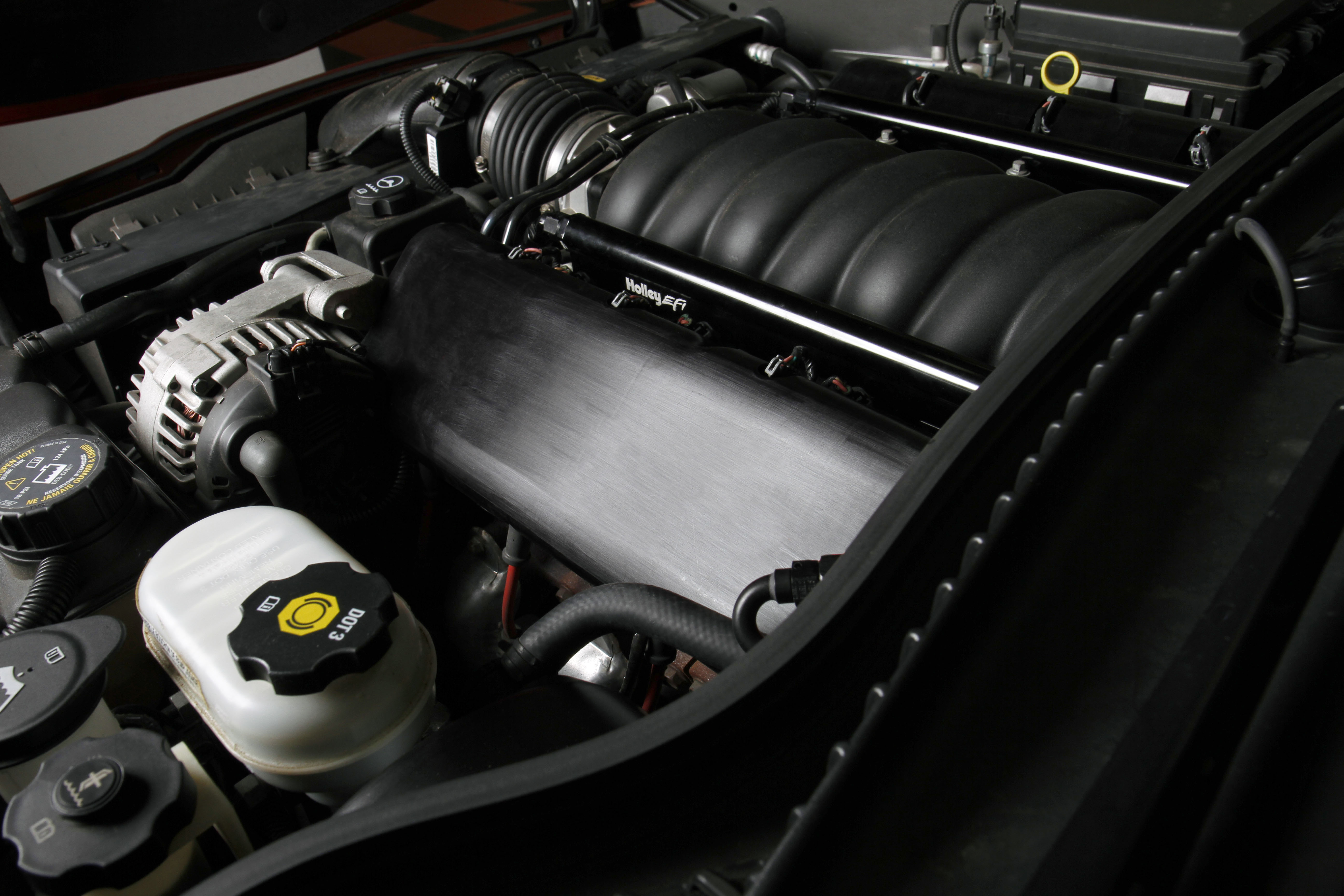
Fuel Injector Rail
Bosch 0445226126 Common Rail Fuel Injection Rail with Pressure Sensor
DeatschWerks 6-102-1000 Top Feed Fuel Rail Upgrade Kit with 1000cc Injectors
Skunk2 350-05-5000 Composite Fuel Rail with Thermal Insulation
HKS 14007-AM003 Fuel Rail Upgrade Kit High-Performance Aluminum
Skunk2 350-05-5015 Composite Fuel Rail with Thermal Insulation
BBK 5020 High-Flow Billet Aluminum Fuel Rail Kit for 2010-2015 Camaro LS3/L99
FAST 146033-KIT Red Billet Fuel Rail Kit for LSX/LSXR 102mm Intake Manifolds
FAST 146020-KIT OEM Fuel Rail Kit for LS3/LS7/L76/L99 LSXR 102mm Intake Manifolds
What Is a Fuel Injector Rail and Why Does It Matter?
The fuel injector rail — often called a fuel rail or injector rail — is one of the most fundamental components in a modern fuel injection system. It is the critical link between your fuel supply and your engine's cylinders. Structurally, a fuel rail is a hollow metal tube that runs parallel to the engine's cylinders, connecting the fuel supply line on one end to each individual fuel injector on the other. Its job is deceptively simple: maintain steady, consistent fuel pressure across every injector so that each cylinder receives exactly the right amount of fuel at precisely the right moment.
In practice, the fuel rail functions as a pressurized accumulator. The fuel pump draws fuel from the tank, filters it, and delivers it to the rail under pressure. The rail then acts as a reservoir, dampening pressure pulses and ensuring that every injector — whether it fires first or last in the sequence — sees the same fuel pressure. The engine control unit (ECU) uses a fuel pressure sensor mounted on the rail to continuously monitor this pressure and make real-time adjustments to the pump and injectors based on engine speed, load, and temperature.
OEM Replacement vs. High-Performance Upgrade Rails
Fuel injector rails come in two broad categories: direct OEM replacement rails for restoring original function, and high-performance upgrade rails for enthusiasts chasing more power. Stock fuel rails are sized for the factory fuel injectors and power output — and they work perfectly in that context. However, when an engine is modified for higher horsepower, forced induction, or alternative fuels like E85, the stock rail's internal bore can become a bottleneck. A small bore creates a pressure drop from the inlet end to the far end of the rail, causing uneven fueling across cylinders and making it nearly impossible to achieve a clean, consistent tune.
Upgraded aftermarket fuel rails address this with significantly larger internal bores, additional AN-ORB port options for custom plumbing, and provisions for fuel pressure sensors, regulators, and pulse dampers. Some also offer top-feed injector conversion functionality, allowing engines originally designed around side-feed injectors to accept the much wider range of top-feed aftermarket injectors on the market.
What to Consider When Choosing a Fuel Injector Rail
- Internal bore diameter: A larger bore reduces pressure drop across the rail at high flow rates, ensuring even fuel delivery to all cylinders.
- Injector compatibility: Confirm injector bore diameter, O-ring sizing, and clip style match your injectors — OEM-equivalent or aftermarket.
- Port configuration: Look for AN-ORB threaded ports that allow flexible placement of fuel inlets, returns, regulators, and pressure gauges.
- Material and finish: Most performance rails are CNC-machined from billet or extruded aluminum and anodized for corrosion resistance.
- Application fitment: Fuel rails are highly engine-specific — verify the rail matches your exact engine family and intake manifold combination.
Top Brands in Fuel Injector Rails
RADIUM Engineering is a go-to name for enthusiasts building high-power street and track cars. Their rails are CNC-machined from extruded 6063 aluminum, black anodized, and laser etched, with a large internal bore designed to support demanding engine builds. RADIUM offers both upgrade rails — which retain OEM injector compatibility — and top-feed conversion rails for platforms like the Subaru EJ, Honda K-Series, Nissan RB, and GM LS engine families, making them one of the most versatile options for import and domestic performance builds alike.
Aeromotive brings its deep expertise in high-performance fuel systems to the fuel rail segment. Their billet aluminum rails feature a full 5/8-inch ID through-bore and full-size ports at each end for optimal injector supply and minimal hydraulic fluctuation — engineered to support serious power levels. Aeromotive's fuel rails are available for popular platforms including Ford 5.0L Mustang, GM LS2, and LS3/L76 engines, and are finished in red or black Type II bright-dip anodize for both durability and underhood aesthetics.