



Mechanical Fuel Pump


Edelbrock 1723 Performer RPM Mechanical Fuel Pump 110 GPH 3/8" NPT

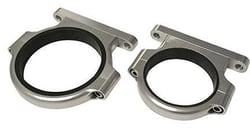


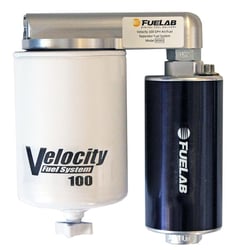

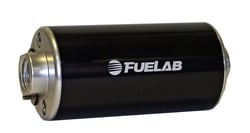

 Representative Photo, actual item may vary
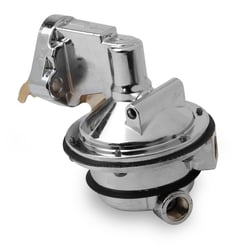



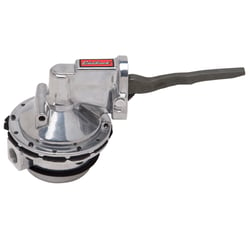
 Representative Photo, actual item may vary
Walbro GCL603-1 OE Replacement Inline Fuel Pump & Installation Kit

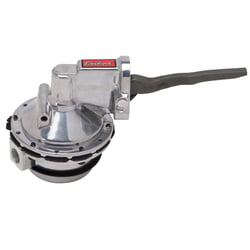
Edelbrock 1726 Performer RPM Mechanical Fuel Pump 429/460 Ford 110 GPH

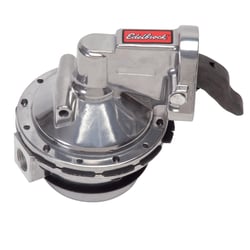
Edelbrock 1721 Performer RPM Mechanical Fuel Pump Small Block Chevy
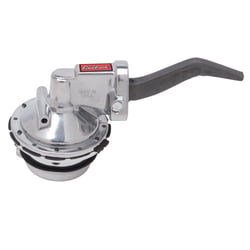
Edelbrock 1715 Victor Series Mechanical Fuel Pump 289-351W Ford 130 GPH

Edelbrock 1713 Performer RPM Mechanical Fuel Pump for Pontiac V8 110 GPH
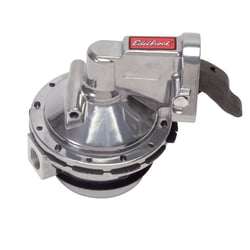
Edelbrock 1711 Victor Series Mechanical Racing Fuel Pump 130 GPH
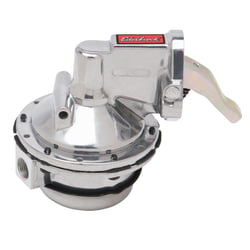
Edelbrock 1722 Performer RPM Mechanical Fuel Pump Big-Block Chevy 110 GPH
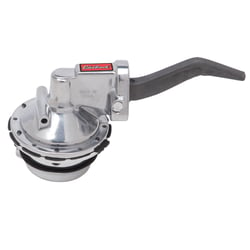
Edelbrock 1725 Performer RPM Mechanical Fuel Pump 289-351W Ford 110 GPH
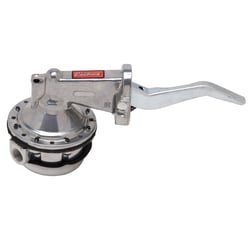
Edelbrock 1720 Performer RPM Mechanical Fuel Pump Big-Block Chrysler 110 GPH
 Representative Photo, actual item may vary
 Representative Photo, actual item may vary
 Representative Photo, actual item may vary

 Representative Photo, actual item may vary
 Representative Photo, actual item may vary
 Representative Photo, actual item may vary



What Is a Mechanical Fuel Pump?
A mechanical fuel pump is the unsung workhorse of any carbureted engine's fuel delivery system. Driven directly by the engine's camshaft, it uses a lever-and-diaphragm mechanism to draw fuel from the gas tank and push it steadily toward the carburetor — all without relying on a single volt of electricity. Unlike the high-pressure electric pumps found in modern fuel-injected vehicles, mechanical fuel pumps operate at a relatively low pressure — typically between 4 and 7 psi — which is precisely what a carburetor float bowl requires to function correctly.
The operating principle is elegantly simple: as the camshaft rotates, an eccentric lobe pushes a rocker arm, which in turn flexes a rubber diaphragm inside the pump body. This reciprocating motion creates suction on the intake stroke and positive pressure on the output stroke, with one-way check valves ensuring fuel always moves in the right direction. Because the pump's output is governed by engine RPM, fuel delivery scales naturally with engine demand.
Why Mechanical Fuel Pumps Still Matter
Millions of classic cars, trucks, marine engines, and industrial equipment still rely on carbureted fuel systems — and every single one of them needs a reliable mechanical fuel pump to run. Whether you're restoring a muscle car from the 1960s, maintaining a vintage pickup, or keeping a farm tractor in service, sourcing the correct replacement pump is a critical part of the job. A worn or failing mechanical pump leads to hard starts, fuel starvation under load, poor idle quality, and can even allow raw fuel to contaminate engine oil if the diaphragm ruptures.
Because the design is mechanically straightforward, replacement is typically a DIY-friendly job — often requiring just two bolts and a few minutes of careful work. The key is selecting a pump that matches your engine's displacement, fuel flow requirements, and mounting configuration. With 159 products across our mechanical fuel pump catalog, finding the right fit is straightforward.
Key Considerations When Choosing a Mechanical Fuel Pump
- Fitment: Match the pump to your specific engine family (e.g., small-block Chevy, Ford FE, Chrysler B/RB). Mounting bolt patterns and push-rod lengths vary.
- Fuel pressure output: Most carbureted engines call for 4–7 psi. Verify your carburetor's specification before selecting a pump.
- Flow rate (GPH): High-performance engines with dual carburetors, superchargers, or larger displacement need higher-volume pumps.
- Diaphragm material: Quality pumps use reinforced rubber or composite diaphragms that resist fuel degradation, including ethanol-blended fuels.
- OEM vs. performance: For stock restorations, choose a direct OEM replacement. For modified builds, consider a performance-spec pump with upgraded flow capacity.
Top Brands in Mechanical Fuel Pumps
Carter is the most trusted name in this category, and for good reason. Carter's mechanical fuel pumps have been factory-installed on American cars and trucks across decades of the carburetion era, and the brand continues to offer an extensive catalog of OEM-quality replacements for domestic, marine, and industrial applications. Their pumps are designed to meet or exceed original equipment specifications, with wide compatibility across Ford, GM, Chrysler, and import platforms.
Delphi brings OEM-grade engineering to the replacement parts market. Known for supplying components to major automakers worldwide, Delphi mechanical fuel pumps are built to tight tolerances and deliver the consistent fuel pressure and flow rate that carbureted engines depend on.
Pro/cam rounds out the category with focused offerings for classic and performance applications. Pro/cam mechanical fuel pumps are a practical choice for enthusiasts seeking dependable output in a straightforward replacement package.
GMB North America leverages decades of drivetrain and engine component manufacturing experience to deliver solid mechanical fuel pump options. GMB mechanical fuel pumps offer reliable coverage for a range of classic vehicle applications at a competitive value.