



Suspension Control Arm
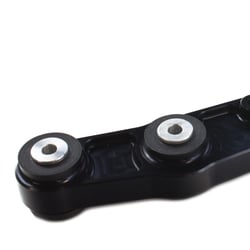
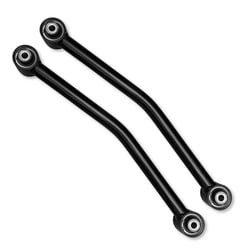
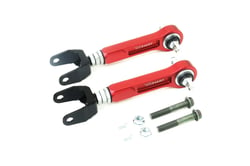
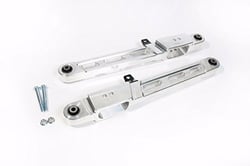
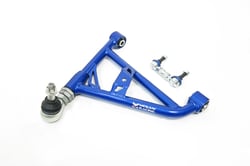
Voodoo13 LOHN-0200BK Adjustable Rear Lower Control Arms +5 to -5 Degrees Camber Black

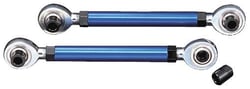
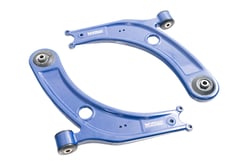
Cusco 116 464 D Rear Control Arm Pillowball Bushing Kit - 2 Piece


 Representative Photo, actual item may vary
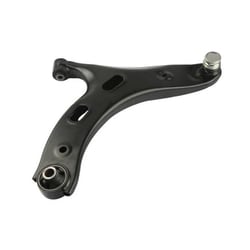
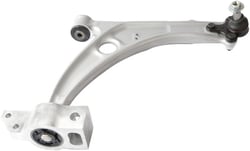
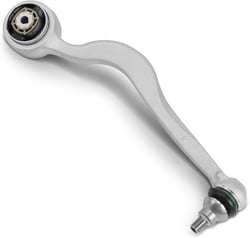
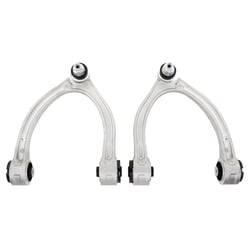
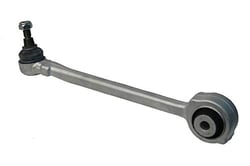
Genuine Mercedes Control Arm Assembly







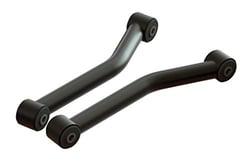

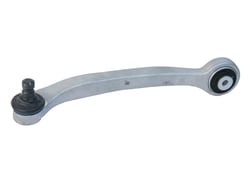
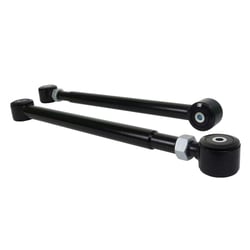

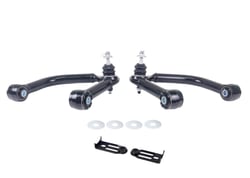

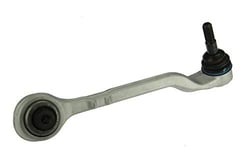
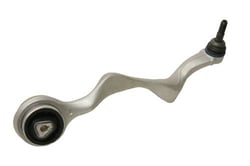
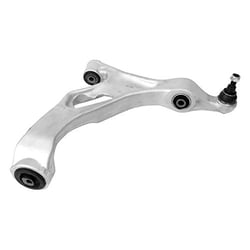
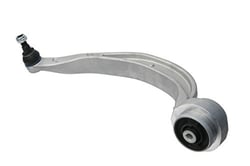
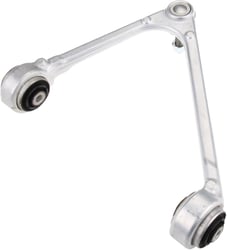
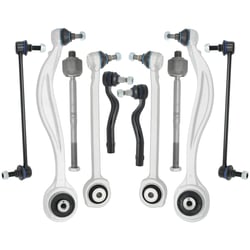
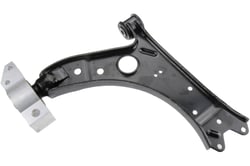
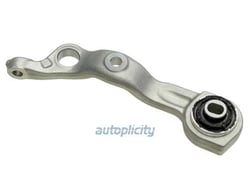
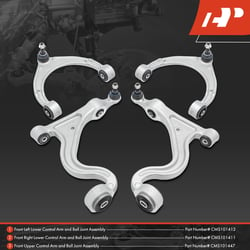

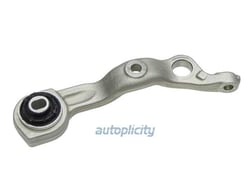
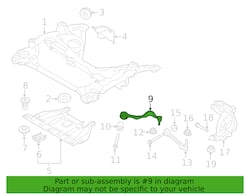


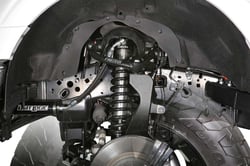

 Representative Photo, actual item may vary
 Representative Photo, actual item may vary
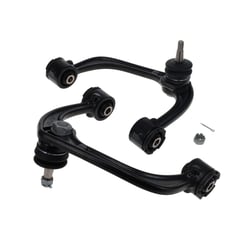
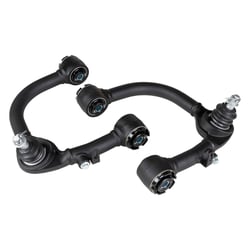
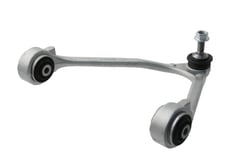
Fabtech FT20534BK Upper Control Arm Passenger Side 2011-2019 GM 2500HD/3500HD


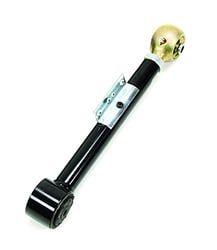
TeraFlex Suspension 1614810 Rear Upper Control Arm 0-4 Inch Lift TJ Wrangler ZJ Grand Cherokee
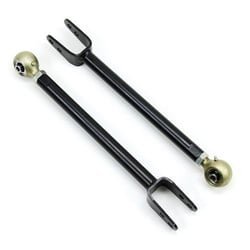
Cusco 116472A N1 Adjustable Pillowball Control Arm Rear Suspension Link
 Representative Photo, actual item may vary
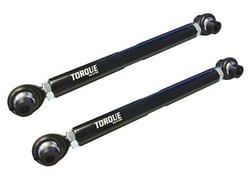

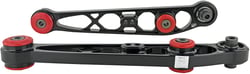
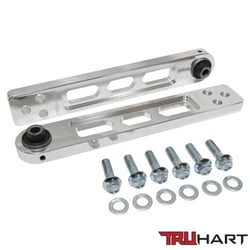
Skunk2 542-05-2195 Ultra Series Rear Lower Control Arms Black Anodized

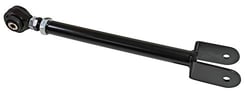

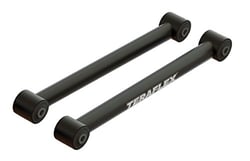
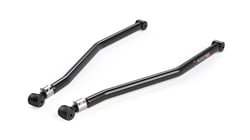
TeraFlex Suspension 1252100 Rear Lower Control Arm Pair for 07-18 Jeep Wrangler JK 2.5-3 Inch Lift
 Representative Photo, actual item may vary


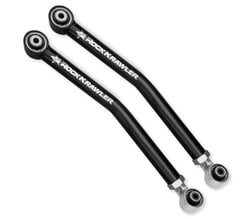
Rock Krawler Suspension RK07287B Adventure X Series Front Long Arm Kit for Jeep JL Wrangler
 Representative Photo, actual item may vary
 Representative Photo, actual item may vary
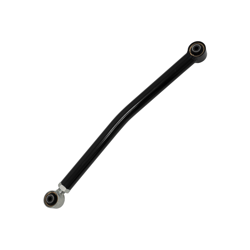
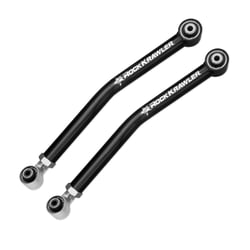
 Representative Photo, actual item may vary
What Is a Suspension Control Arm?
Suspension control arms are one of the most fundamental components in your vehicle's chassis system. Control arms serve as the critical link between your vehicle's frame and its wheel assemblies, allowing each wheel to travel up and down with the road surface while staying precisely located in relation to the chassis. Whether your vehicle runs a MacPherson strut setup, a double-wishbone design, or a multi-link rear suspension, control arms are at the heart of it all.
At each end of the control arm are two key wear points: a rubber or polyurethane bushing at the frame-side pivot, and a ball joint at the steering knuckle. The bushing absorbs road vibration and allows the arm to articulate smoothly, while the ball joint permits the wheel to steer and follow road contours simultaneously. Together, these components keep your tires perpendicular to the road and parallel to each other — the foundation of proper wheel alignment and predictable handling.
Why Control Arms Matter
A worn or damaged control arm doesn't just affect ride comfort — it affects safety. When bushings crack or ball joints develop play, symptoms range from clunking noises and a wandering steering wheel to accelerated tire wear and compromised braking stability. Because control arms directly influence suspension geometry, even minor degradation can throw off your alignment angles, costing you in tire life and fuel efficiency. Replacing control arms proactively, especially on high-mileage vehicles or those used in demanding conditions, is one of the most impactful suspension maintenance steps a driver can take.
When shopping for a replacement control arm, key considerations include construction material (stamped steel, forged steel, or cast aluminum), whether the arm ships as a complete assembly with pre-installed bushings and ball joints, corrosion protection coatings, and the availability of grease fittings for long-term serviceability.
Top Brands in Suspension Control Arms
Moog Chassis Parts is one of the most recognized names in suspension replacement. With a history stretching back over a century, Moog has built its reputation on engineering problem-solving designs — including induction-hardened studs, pre-installed dust boot seals, and specially engineered corrosion-resistant coatings — all aimed at delivering durability that meets or exceeds original equipment standards. Their High Utilization lineup specifically targets commercial vans, work trucks, and other high-demand applications.
Mevotech takes a technology-forward approach to control arm engineering. Founded in 1982, Mevotech has developed over 12 patented chassis technologies and offers their products across tiered lines — including the TTX (Terrain Tough) series built with forged steel arms, reinforced ball joint heads, and self-lubricating sintered metal bearings for maximum service life. Their Supreme and Original Grade lines cover a broad range of applications, and most assemblies come complete with pre-installed hardware for a faster installation experience.
BMR Suspension approaches control arms from a performance and motorsport perspective. Specializing in stamped steel and tubular steel fabricated arms for American muscle cars and performance platforms, BMR's control arms are engineered to improve suspension geometry, increase caster, and sharpen handling response — making them a popular choice for enthusiasts building track-day vehicles or high-performance street machines.
Upper vs. Lower Control Arms
- Lower control arms are the larger of the two, bearing more of the vehicle's weight and connecting the bottom of the steering knuckle to the subframe.
- Upper control arms are smaller and lighter, connecting the top of the knuckle to the frame or body structure — primarily found on double-wishbone and solid-axle suspension designs.
- On MacPherson strut vehicles, only a lower control arm is used; the strut itself fulfills the role of the upper arm.
- Complete assemblies with pre-installed ball joints and bushings save installation time and ensure all wear components are renewed at once.