



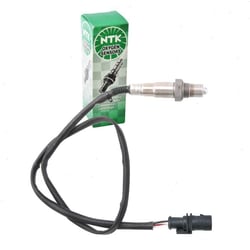
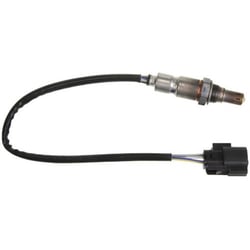
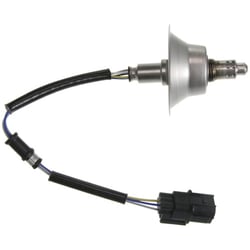
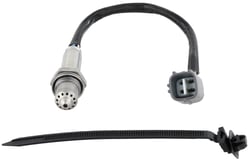
Air / Fuel Ratio Sensor
 Representative Photo, actual item may vary

 Representative Photo, actual item may vary
 Representative Photo, actual item may vary
 Representative Photo, actual item may vary
 Representative Photo, actual item may vary
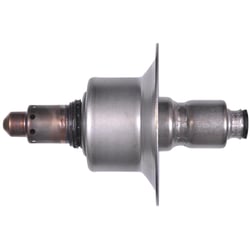
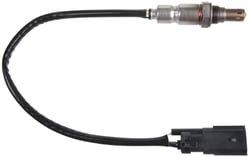
 Representative Photo, actual item may vary
 Representative Photo, actual item may vary
 Representative Photo, actual item may vary
 Representative Photo, actual item may vary
 Representative Photo, actual item may vary
 Representative Photo, actual item may vary
 Representative Photo, actual item may vary
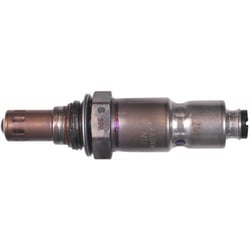
 Representative Photo, actual item may vary
 Representative Photo, actual item may vary
 Representative Photo, actual item may vary
 Representative Photo, actual item may vary
 Representative Photo, actual item may vary
 Representative Photo, actual item may vary
 Representative Photo, actual item may vary
 Representative Photo, actual item may vary
 Representative Photo, actual item may vary
 Representative Photo, actual item may vary
 Representative Photo, actual item may vary
 Representative Photo, actual item may vary
What Is an Air / Fuel Ratio Sensor?
The air/fuel ratio (AFR) sensor is one of the most critical components in a modern engine management system. Mounted in the exhaust stream upstream of the catalytic converter, it continuously measures the oxygen content in exhaust gases and reports that data to the Engine Control Module (ECM). The ECM then uses this real-time feedback to fine-tune fuel delivery — adding fuel when the mixture runs lean and pulling back when it runs rich — keeping combustion as close as possible to the chemically ideal stoichiometric ratio of 14.7:1 for gasoline engines.
While traditional narrowband oxygen sensors could only signal a simple rich-or-lean condition, modern AFR sensors are wideband devices that provide a precise, linear output across a broad range of air-fuel ratios. This means the ECM receives not just a binary cue, but an exact measurement — enabling corrections on a cylinder-by-cylinder basis, multiple times per second. The result is measurably better fuel economy, lower emissions, and stronger, smoother engine performance across all operating conditions.
Why AFR Sensors Fail — and Why It Matters
Over time, AFR sensors are exposed to extreme heat, vibration, and chemical contamination from exhaust gases. Sensor poisoning from oil ash, coolant leaks, or improper fuel additives can degrade the ceramic sensing element, causing slow response times or outright failure. A malfunctioning sensor typically triggers a Check Engine light along with diagnostic trouble codes such as P0131, P0133, P0134, or P0135. Beyond the warning light, symptoms can include poor fuel economy, rough idle, engine misfires, and elevated emissions — all signs that the ECM is no longer receiving the accurate feedback it needs to maintain optimal combustion.
What to Consider When Shopping for an AFR Sensor
- OEM vs. Aftermarket: Whenever possible, match the sensor to the vehicle's original specification. OEM-quality sensors are engineered to match the ECM's expected signal characteristics exactly.
- Wiring and Connector Fit: Direct-fit sensors include vehicle-specific connectors and harness lengths, eliminating splicing and reducing installation errors.
- Heated vs. Unheated: Nearly all modern AFR sensors are heated, allowing them to reach operating temperature quickly for faster closed-loop control after cold starts.
- Upstream vs. Downstream Position: The upstream (Bank 1/Bank 2, Sensor 1) sensor controls the fuel mixture; the downstream sensor monitors catalytic converter efficiency. Confirm which position you need before ordering.
Top Air / Fuel Ratio Sensor Brands
Bosch is the originator of the technology. Bosch pioneered the first wideband A/F oxygen sensor, introducing the planar pump-cell design that has since become the global standard for modern engine management. Backed by more than five decades of OE development, Bosch sensors deliver fast light-off, robust ceramic construction, and high-precision lambda measurements across the full operating range.
NTK Oxygen Sensors brings unmatched OEM pedigree to the aftermarket. NTK is the world's largest supplier and manufacturer of OEM oxygen sensors, and their AFR sensors leverage proprietary ceramics technology — with complete in-house control from raw material to finished product — to deliver superior response times and long-term durability.
Mando is a Tier-1 global supplier with deep OE relationships across Asian and domestic automakers, offering a reliable and cost-effective option for a wide range of vehicle applications.
For performance and motorsport applications, Racepak offers wideband AFR sensor solutions tailored to data acquisition and tuning environments, where precise real-time air/fuel ratio monitoring is essential for maximizing engine output on the track.